Table of Contents
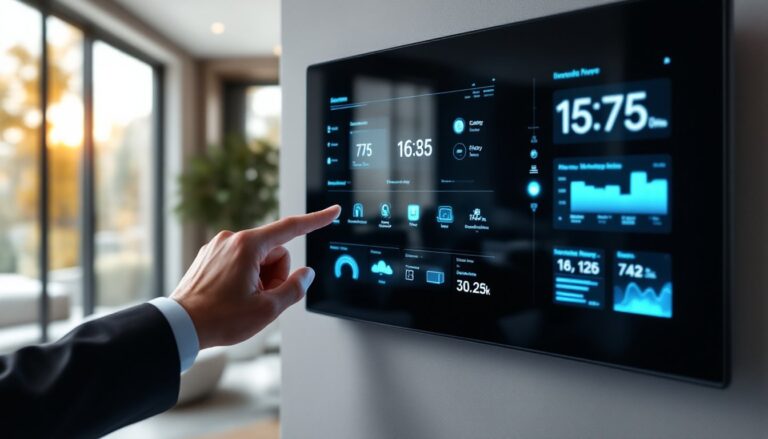
ToggleSmart home automation has moved past the realm of luxury gadgets into practical, accessible technology that solves real everyday problems. Whether you’re a busy professional juggling work and family or a homeowner looking to cut energy costs, connected devices offer tangible benefits that improve daily life. The shift isn’t about impressing guests with voice-controlled lights, it’s about reclaiming time, reducing anxiety, and making your home work harder for you. Here’s why smart home automation matters in 2026.
Key Takeaways
- Smart home automation enhances security and peace of mind by allowing you to monitor your home remotely, lock doors instantly, and receive real-time alerts from cameras and motion sensors.
- Smart thermostats and connected lighting can reduce energy costs by 10-23% annually while lowering your carbon footprint through intelligent temperature management and automatic light adjustments.
- Smart home automation devices save busy homeowners 3-5 hours per week by automating routine tasks like lighting, temperature control, and appliance notifications through voice commands and custom routines.
- Homes with smart features sell 5-10% faster and may command higher prices, making smart home technology a valuable investment for homeowners planning to stay long-term.
- Smart home systems enable aging adults to maintain independence and safety through voice controls, motion sensors, fall detection, and remote monitoring by family caregivers.
Increased Home Security and Peace of Mind
Smart security cameras, door locks, and motion sensors let you monitor your home from anywhere. You can check live feeds while at work, lock the front door remotely if you forgot, and receive instant alerts when someone approaches. This isn’t paranoia, it’s practical. A smart doorbell camera lets you screen delivery personnel before answering. Smart locks eliminate the need to worry about whether you locked up: you can verify with a smartphone tap.
Integrated security systems tie everything together. If a window sensor detects a break-in while you’re away, the system can trigger lights, sound alarms, and notify both you and local authorities. Many homeowners report sleeping better knowing they can verify their home’s status without getting out of bed. The peace of mind alone is worth the investment, especially in neighborhoods with rising property crime.
One note: smart security complements, but doesn’t replace, traditional locks and good habits. Proper passwords and regular software updates are essential to keep hackers out of your system.
Lower Energy Bills and Environmental Impact
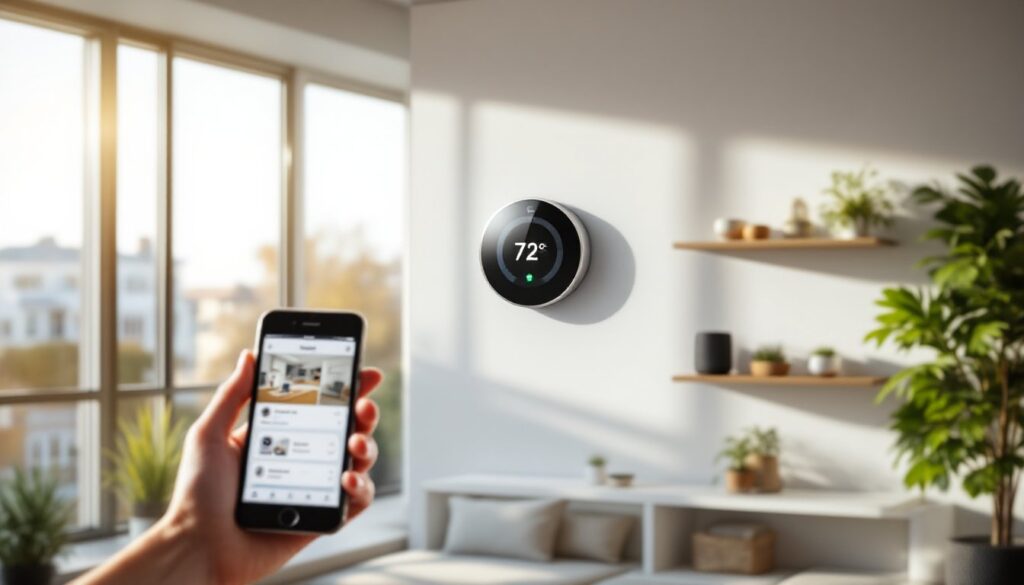
Smart thermostats learn your schedule and adjust temperatures automatically, reducing waste when you’re away or sleeping. Studies show homeowners cut heating and cooling costs by 10-23% annually. A Nest or Ecobee thermostat, for example, tracks usage patterns and optimizes comfort without constant manual adjustment.
Smart lighting adds another layer of savings. Connected bulbs and switches turn lights off automatically when rooms are empty and dim during daylight hours. Over a year, this can shave hundreds off electric bills, especially in homes with high lighting usage. Many municipalities offer rebates for smart thermostats and efficient lighting upgrades, so check local incentive programs.
Water heating and pool automation further reduce consumption. Smart plugs identify energy vampires, devices drawing power even when off. When smart home devices ideas are deployed strategically, you’re not just cutting costs: you’re shrinking your carbon footprint. Renters and owners both benefit, though owners typically see faster ROI.
Convenience and Time Savings for Busy Homeowners
Imagine arriving home on a cold night and your heating already set to 72°F, no fiddling with the thermostat. Or waking up to lights that gradually brighten as part of your morning routine. Automation removes friction from repetitive tasks.
Voice commands via Alexa or Google Home let you control lights, locks, and appliances hands-free while cooking, showering, or holding a sleeping toddler. Routines bundle commands: a “Goodnight” button can lock doors, arm security, turn off lights, and lower the thermostat in one tap. Parents and elderly residents find this especially valuable.
Smart appliances, refrigerators that alert you to low stock, washing machines that notify when cycles finish, ovens you can preheat remotely, eliminate forgotten tasks and wasted time. Research shows homeowners reclaim 3-5 hours weekly through automation. According to 5 reasons why you need a smart home, convenience and ease of use are top motivators for adoption. For professionals, that recovered time translates to more family moments or personal projects.
Enhanced Comfort Through Personalized Control
Smart home systems adapt to individual preferences. One person prefers bedroom temps at 68°F while another likes 72°F, a multi-zone smart thermostat handles both without conflict. Smart lighting adjusts color temperature throughout the day, mimicking natural light patterns that support healthy sleep and focus.
Scenes and automations let each household member customize their space. A teenager’s room might have preset “study mode” (bright white light, door locked, white noise from speakers) and “sleep mode” (dim warm light, door unlocked, gentle ambient sound). Parents can ensure essential routines happen, kids’ bedtime, morning wake-ups, without micromanaging.
Integration with entertainment systems elevates comfort further. When you press “Movie Time,” lights fade, blinds close, and audio settings adjust, no fumbling with remotes. This level of personalization isn’t just luxury: it’s acknowledging that homes serve different needs for different people. Smart home devices techniques allow you to build custom experiences that match your household’s rhythm, not generic presets.
Improved Home Value and Marketability
Buyers in 2026 increasingly expect modern connectivity. A home with established smart lighting, security, and climate control appeals to tech-savvy purchasers and attracts premium offers. Real estate data shows homes with smart features sell 5-10% faster and sometimes at higher prices, though ROI varies by market and installation quality.
Capital improvements matter. Permanent installations, hardwired thermostats, integrated lighting systems, security infrastructure, add value more reliably than loose gadgets. Renters or those planning short-term stays may skip this benefit, but homeowners with 5+ year horizons typically recoup investments.
Transparency helps. Documenting what’s installed, how systems work, and providing setup guides to buyers smooths transitions. When smart home devices are properly integrated and maintained, they become a selling point rather than a liability. Not every market values automation equally, so research your local real estate trends before investing heavily.
Better Accessibility for Aging in Place
Smart homes enable older adults to live independently longer. Voice controls eliminate the need to reach for light switches or thermostats. Motion sensors turn on hallway lighting at night, reducing fall risk. Door sensors alert caregivers if a loved one wanders, and medication reminders sound through smart speakers.
Remote monitoring lets adult children check on aging parents without intrusive cameras in bedrooms or bathrooms. A caregiver can verify that Mom took her pills or unlock the door for a health aide using smartphone apps. Falls and emergencies trigger alerts sent to family and emergency services.
The independence and dignity factor is crucial. Aging in place with smart support means fewer moves to assisted living facilities and maintained autonomy. Installation and customization for elderly users may require professional help, but the outcomes, safety, independence, peace of mind for families, justify the cost. Smart home devices tips often include accessibility-focused setups for multi-generational households.
Conclusion
Smart home automation isn’t a trend, it’s a practical upgrade that pays dividends in security, savings, convenience, and comfort. Start small with what is smart home devices fundamentals like a smart thermostat or door lock, then expand as your needs become clear. The goal is a system that works for your household, not one that complicates life. When chosen and installed thoughtfully, automation becomes invisible, it just makes home better.