Table of Contents
ToggleTiny houses have shifted from novelty to legitimate housing option for many Americans looking to reduce expenses, simplify life, or embrace a smaller footprint. But “tiny” doesn’t mean “cheap”, at least not automatically. A tiny house can cost anywhere from $30,000 to $500,000 depending on how you build it, where you put it, and what you’re willing to do yourself. Whether you’re drawn to the financial freedom angle or the minimalist lifestyle, understanding the actual costs upfront separates realistic planning from daydreaming. This breakdown covers the real numbers: what tiny houses actually cost in 2026, the variables that drive price, and where homeowners typically get blindsided by hidden fees.
Key Takeaways
- Tiny house costs range from $30,000 to $500,000 depending on build type, location, and finishes—with land, permits, and utilities often exceeding the structure price itself.
- Hidden expenses like permits ($1,500–$7,500), towing and setup ($3,500–$8,500), and a 10% contingency buffer frequently blindside buyers planning a tiny house budget.
- Pre-built tiny houses offer financing flexibility and warranty protection, while DIY builds save money upfront but require 500–1,500 hours of labor and risk costly mistakes.
- Land ownership costs dwarf tiny house structure prices in many regions: suburban land near cities can run $50,000–$200,000+ per acre, making financing the land more critical than financing the home itself.
- Zoning restrictions and local building codes are the biggest traps—many municipalities prohibit tiny houses on individual lots, so verify local regulations before purchasing or building.
- Manufactured home loans (10–20 year terms, 5–7% rates) offer better financing than personal loans for RVIA-certified tiny houses, while traditional mortgages rarely apply to mobile structures.
Average Tiny House Prices and What Affects Them
Price Range by Build Type
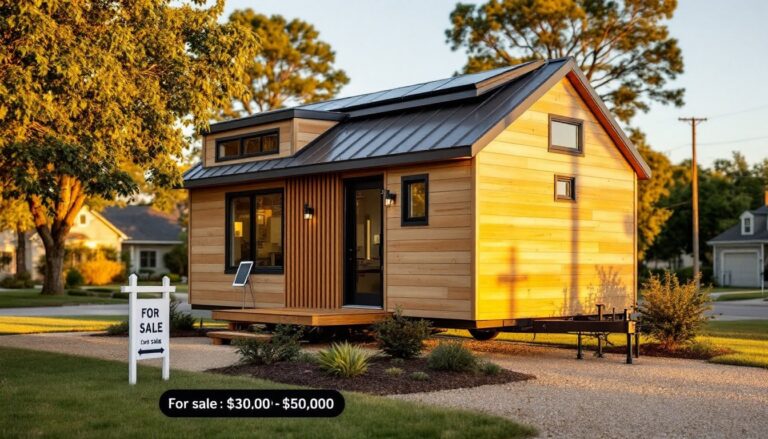
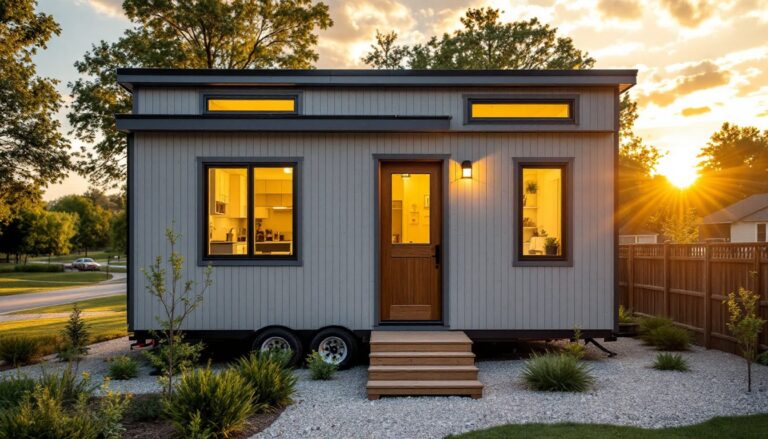
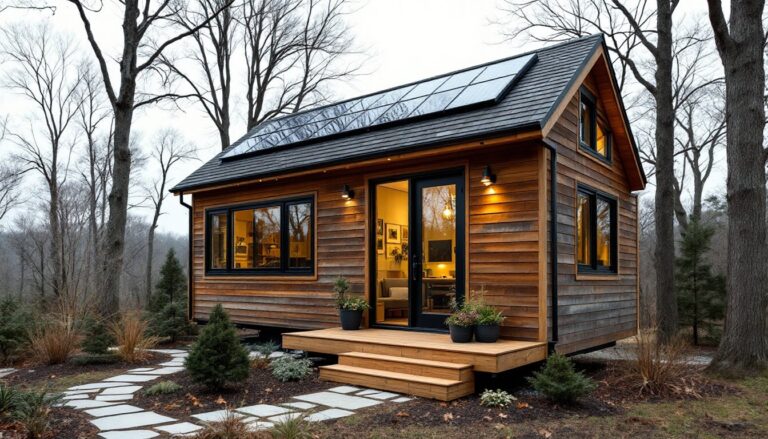
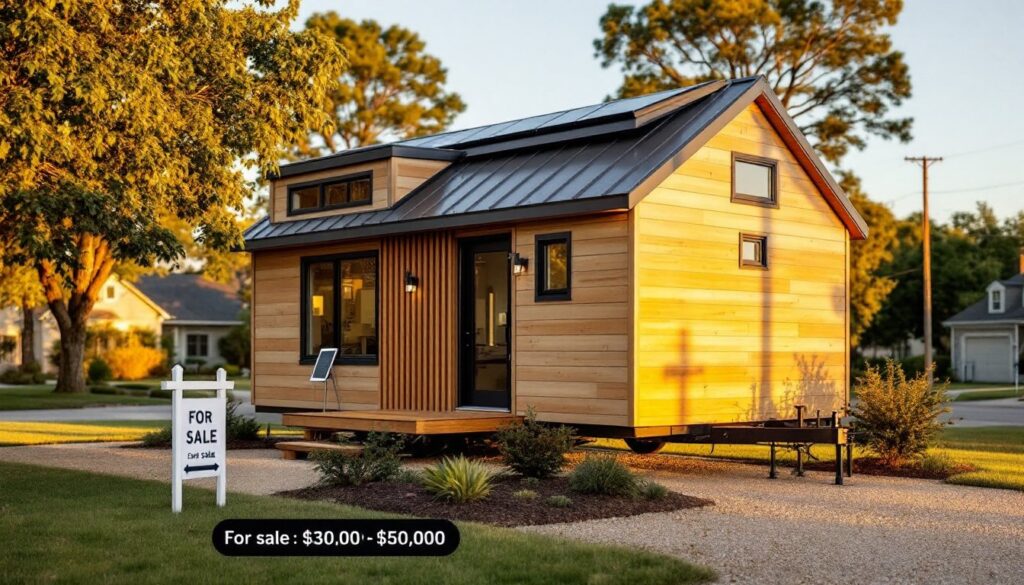
A pre-built tiny house on a trailer typically runs $35,000 to $150,000, depending on square footage, finishes, and whether it’s RVIA-certified (Recreational Vehicle Industry Association standard). These come ready to move or customize minimally. Fixed foundation tiny homes, built on permanent land, range from $50,000 for a basic shell to $300,000+ for fully finished homes with modern fixtures and custom designs.
DIY builds from a kit or plans cost $20,000 to $80,000 in materials alone, but you’re providing labor. A skilled DIYer with time can cut costs significantly: without construction experience, underestimating labor or running into framing mistakes can blow that budget faster than you’d expect.
Square footage is the biggest price driver. A 200-square-foot home costs less per square foot than a 400-square-foot one, but fixtures, appliances, and finishes don’t scale down proportionally. A tiny kitchen still needs a functional stove and fridge. Bathroom plumbing and electrical rough-in costs are similar whether the house is 150 or 800 square feet.
Finish quality matters enormously. Budget tiny houses use basic cabinetry, laminate, and standard fixtures. Mid-range builds add real wood, better appliances, and nicer trim. High-end tiny homes rival luxury small homes in cost per square foot, with reclaimed wood, high-end fixtures, radiant heating, and custom layouts. Your choice here can easily add $20,000 to $100,000 to the final price.
Land and Location Costs
You can own a tiny house, but land is another beast entirely. Land price varies wildly by region: rural acreage in the Midwest might be $5,000–$15,000 per acre, while suburban or semi-rural land near cities often runs $50,000–$200,000+ per acre. This alone can dwarf the cost of the structure.
Some people sidestep land ownership by leasing space in tiny house communities (increasingly common in Oregon, Texas, and California). Monthly lot rent typically runs $300–$800, which builds equity for the landlord, not you. Over 30 years, that’s $108,000–$288,000 in rent. Compare that to owning an acre outright, a one-time cost, and the math shifts quickly.
Zoning is the hidden trap. Many municipalities restrict tiny houses on individual lots, require minimum square footage (often 1,000+ sq ft), or prohibit mobile/manufactured homes in residential areas. Some cities are loosening restrictions, but you must confirm local codes before buying land or a pre-built house. A lawyer or local planning department can clarify this in an afternoon: skipping this step can leave you with an unlivable investment.
Utility hookup costs vary. Rural land with no existing infrastructure (well, septic, electrical lines) may require $10,000–$30,000 for rough utilities alone. Land already serviced with city water, sewer, and electric is more expensive upfront but cheaper to develop. For tiny house trailers in RV parks, hookup is included but you’re subject to park rules and potential rate increases.
Hidden Expenses Homeowners Often Overlook
Permits and inspections are non-negotiable and often underestimated. Building permits typically cost $500–$2,500 depending on location and whether the structure is foundation-mounted or a trailer. Septic permits, electrical permits, and final inspections add another $1,000–$5,000. Some jurisdictions drag their feet: budget time and patience alongside money.
Towing and setup for mobile tiny houses is easy to forget. Professional movers charge $2,000–$5,000 to haul a trailer cross-state, plus fuel surcharges. Setup on a new lot, leveling, jacking, skirting, and stabilizing, runs another $1,500–$3,500. DIYing this is possible but requires proper equipment and knowledge: mistakes can damage the house or create safety hazards.
Insurance and registration are ongoing. A tiny house on a trailer is often insured as an RV, which differs from homeowner’s insurance and can be pricier depending on the policy. Some insurers are cautious about tiny house riders or won’t cover owner-built structures. Plan $1,000–$2,000 annually for insurance, plus registration and tax if your state treats it as a vehicle.
Customization and corrections happen on nearly every build. Materials don’t arrive on time, dimensions are off-spec, or the homeowner changes their mind mid-build. A 10% contingency ($3,000–$15,000 depending on total cost) is standard practice and worth every penny. Many DIY builds exceed budget simply because planning was incomplete. Materials like lumber, concrete, and metal studs have seasonal price swings: locking in costs early helps, but price increases still occur mid-project.
Resale and market risk are real. A tiny house depreciates or sits on the market longer than a conventional home in most markets. Buyers are niche. If you sell in 5–10 years, don’t expect to recover your full investment unless the market has shifted significantly in your favor.
Financing Options for Tiny House Purchases
Traditional mortgages are tough for tiny houses, especially mobile ones. Many banks treat trailers as personal property, not real estate, so conventional 30-year mortgages don’t apply. You’ll likely need a personal loan (unsecured, higher interest rates, 5–7 year terms) or a manufactured home loan (if your state recognizes the home as a qualified manufactured dwelling).
Manufactured home loans exist specifically for HUD-code or RVIA-certified structures and offer better terms than personal loans: typically 10–20 year terms, lower rates (5–7%), and larger loan amounts. The catch: the home must meet specific standards, and not all lenders offer them in all states. Shop around with credit unions first: they’re often more flexible with tiny house financing than traditional banks.
Cash purchases eliminate financing costs but tie up capital. Many tiny house owners scrimp on quality or skip land ownership to buy outright, assuming they’ll upgrade later. This works if you’re patient and willing to rent land short-term: it backfires if you’re strapped for emergency funds.
RV loans apply to trailer-based tiny houses. Rates are reasonable (4–7%), terms run 10–15 years, but you’re borrowing against deprecating collateral. An RV loan works well if you’re mobile or plan to sell within a decade.
Constructiontowarranty loans bridge the gap for builds in progress. You borrow against completed phases and draw funds as work finishes, paying interest only on disbursed amounts. These are uncommon for DIY tiny builds but available through some regional banks or credit unions if you can prove a solid plan and timeline.
DIY vs. Pre-Built: Breaking Down the Cost Difference
A pre-built tiny house costs more upfront but includes labor, warranty, and certainty. You pay a company to design, source materials, manage labor, and quality-check the build. A $100,000 pre-built home might include $25,000–$35,000 in labor, markup, and overhead. You walk away with a finished product, financing options (albeit limited), and recourse if something fails.
A DIY kit or plan provides blueprints, sometimes pre-cut lumber, and a bill of materials. You source the rest and do the building. Materials cost $20,000–$60,000 depending on finishes. But here’s the reality: most DIYers underestimate labor hours. A 200-square-foot tiny house requires 500–1,500 hours of skilled work. If you’re self-building, that’s several months of weekends or sabbatical. Hire labor partway through (framing, electrical rough-in, plumbing, roofing) and costs climb to $60,000–$90,000 total, closer to pre-built pricing, minus the warranty.
Quality control is harder in DIY. Small space living ideas and design approaches often assume a finished, professionally-built product. If you’re building for the first time, expect mistakes: poor water sealing (expensive to fix later), electrical code violations requiring rewiring, and framing gaps that require shims and patching. An experienced builder or mentor who spot-checks your work is invaluable and might save you thousands in rework.
Manufactured vs. stick-built matters legally and financially. A RVIA-certified trailer home meets RV standards and can be financed with RV loans: it’s also more portable. A stick-built foundation home meets building codes, qualifies for conventional mortgages (eventually), but is permanent and subject to local zoning. DIY builds often fall in a gray zone: not officially certified, harder to insure and finance, but potentially cheaper and fully customizable.
Home renovation cost guides and contractor resources detail labor rates by region, which helps estimate DIY labor or compare contractor bids. Knowing your area’s prevailing wage (even if you’re not hiring) sets realistic expectations for what tasks cost professionals.
Conclusion
Tiny house costs range wildly: $30,000 for a bare-bones trailer to $500,000 for a high-end fixed foundation home on owned land. The true price includes land, permits, utilities, insurance, and that surprise 10% contingency buffer. Pre-built offers certainty and financing flexibility: DIY saves money if you have skills and time. Real estate trends and urban living guides show tiny houses gaining traction in pricey markets, but resale remains uncertain. Crunch your actual numbers, land cost, local permits, your skill level, before committing. Tiny doesn’t mean affordable: it means different.