Table of Contents
ToggleYour home’s exterior tells a story, and right now, it might be a grim tale of algae, dirt, and weathered grime. Pressure washing isn’t just about curb appeal: it’s maintenance that protects your investment. Whether you’re thinking about hiring a professional pressure washing service or tackling the job yourself, understanding what’s involved will help you make the right choice. This guide walks you through what pressure washing does, when professionals are worth the cost, and how to find a reliable service in your area.
Key Takeaways
- Professional pressure washing services remove damaging mildew, algae, and grime that deteriorate siding, decks, and roofs while helping identify hidden structural issues early.
- House pressure washing costs range from $300–$800 for single-story homes to $600–$1,500 for larger two-story houses, with prices varying by square footage, surface condition, and additional services.
- Hire professionals for high-risk surfaces like roofs, expensive siding, and wood decks where DIY errors can cost thousands in damage; reserve DIY rental equipment for low-value areas like concrete driveways.
- Always verify liability insurance and workers’ compensation coverage before hiring, read mixed reviews critically, and request detailed written estimates that specify PSI levels and surfaces included.
- Extend the results of professional pressure washing through regular maintenance: seal driveways, clear gutters twice yearly, trim overhanging branches, and rinse vinyl siding to prevent algae buildup.
Why Pressure Washing Your Home Matters
Pressure washing does more than make your driveway look new. Over time, dirt, moss, mildew, and algae accumulate on siding, decks, and roofs, they don’t just look bad, they damage materials. Mildew eats into paint and wood fibers. Algae growth on roofing shingles can shorten their lifespan by years. Grime on siding traps moisture, leading to rot in vulnerable areas.
Regular pressure washing removes these damaging substances before they become structural problems. A clean exterior also allows you to spot real issues early: loose siding, missing caulk, or roof damage that grime was hiding. Plus, if you’re planning to sell, a freshly cleaned exterior can boost perceived value by 3–5% without any renovation work.
The key is doing it right. Incorrect pressure settings or technique can strip paint, gouge wood, or crack concrete. That’s why understanding your options, and knowing when to hire a pro, matters.
What to Expect From Professional Pressure Washing Services
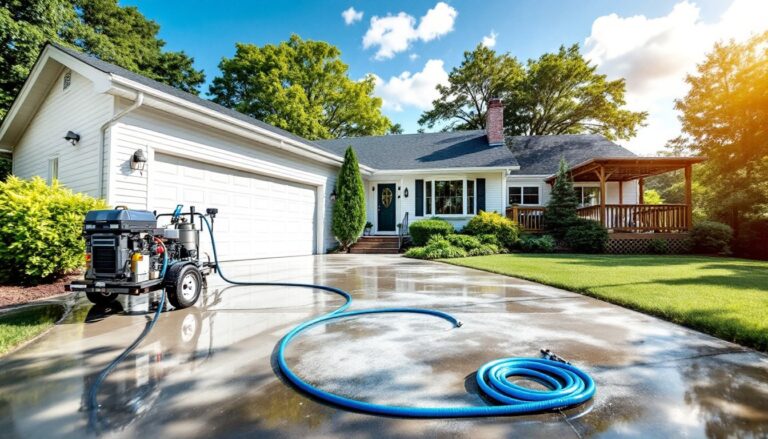
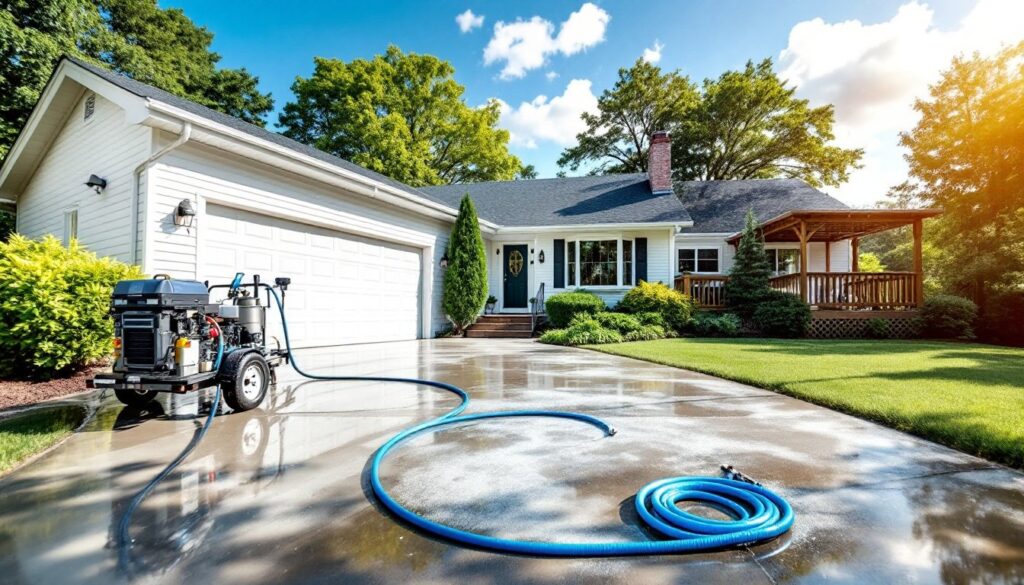
A professional pressure washing crew arrives with commercial-grade equipment: 3000–4000 PSI (pounds per square inch) machines, specialized nozzles, and often biodegradable detergents. They’ll assess your surfaces, determine appropriate pressure levels, and use techniques suited to each area, softer pressure on wood, higher on concrete, and specialized approaches on siding or shingles.
A typical residential service takes 2–4 hours depending on home size, dirt buildup, and surface types. The crew will start with the roof or gutters, work down to siding, then finish with the driveway, patio, and deck. Professionals also protect landscaping, shut off outdoor HVAC units, and close windows. They handle cleanup, too.
Costs vary by region and job scope. You might pay $300–$800 for a standard single-story home, $600–$1,500 for a larger two-story house. If you need services like local pressure washing professionals with customer reviews, that’s where comparison shopping pays off. Prices depend on square footage, surface condition, and whether you’re adding services like gutter cleaning or post-wash sealing.
Surfaces That Benefit Most From Pressure Washing
Concrete driveways and patios handle high pressure (2500–3500 PSI) well and show dramatic before-and-after results. Wood decks require lower pressure (1200–1500 PSI) to avoid splintering or gouging. Siding depends on material: vinyl and brick can take moderate pressure, but wood siding needs gentler treatment. Roofs are delicate, many professionals use soft-wash methods with low-pressure and cleaners instead of direct high-pressure spray. Gutters and downspouts benefit from pressure washing, and professionals often include this to prevent overflow damage. Avoid blasting delicate surfaces like stucco or sandstone without professional guidance: pressure can create pits or cause mortar erosion.
DIY vs. Professional Services: Which Is Right for Your Home
You can rent a pressure washer from hardware stores for $40–$100 per day. Consumer models typically max out at 2000–2500 PSI, suitable for light jobs like driveways or vinyl siding. The appeal is clear: save the labor cost. The catch? Pressure washers are heavy, unforgiving tools. Slip, and you can gouge your siding or concrete. Hold the nozzle too long in one spot, and you’ll strip paint or wood grain. Most DIY failures aren’t about lack of effort, they’re about technique and equipment limitations.
A driveway or small deck where you’re not worried about damaging high-value materials? DIY is reasonable. Your home’s siding, roof, or wood deck? You’re risking thousands in damage to save a few hundred. Professional crews train for months. They know the pressure, nozzle distance, and cleaning solutions for every surface. They also carry liability insurance in case something goes wrong.
If you hire out for some services, focus on the high-risk areas. Use home improvement cost estimators and contractor matching to budget: then tackle the driveway yourself if you’re comfortable and experienced.
When to Call the Professionals
Always hire professionals for roofs, expensive siding, stained wood decks, or stone surfaces. If you can’t replace the material for under $500, don’t risk DIY pressure washing. Also, multi-story homes make rental equipment dangerous, working from ladders while operating a heavy machine isn’t safe for most homeowners. If your home has historical significance or premium finishes, a professional familiar with delicate surfaces is worth every penny. Properties with algae or biological growth requiring specific cleaners also benefit from professional expertise: they’ll use environmentally safe detergents that DIY rentals won’t. Finally, if you’re over 60, have mobility issues, or simply don’t enjoy dangerous tasks, hiring out is the logical choice.
How to Choose a Reliable Pressure Washing Company
Start by checking credentials. A legitimate pressure washing business carries liability insurance and workers’ compensation coverage. Ask for proof: it protects you if something breaks or someone gets hurt. Read reviews on Google, Yelp, or Angi, not just the five-star glowing ones, but the critical ones too. Complaints about detail or finishing work are red flags. One or two mixed reviews is normal: many negatives about rushing or damage is a warning.
Get written estimates from at least two companies. A good estimate specifies square footage being cleaned, PSI levels they’ll use, surfaces included, and pricing. Vague estimates like “$500 for your whole house” are a sign they haven’t thought through the job. Ask about their cleaning solutions, are they biodegradable? Will they harm plants? Professional companies can answer these questions without hesitation.
Local services often beat large franchise companies. Use home renovation and remodeling cost guides to research typical costs in your region, and don’t automatically go for the cheapest bid. A company that sounds rushed during the estimate, ignores questions, or avoids putting details in writing isn’t worth the gamble. A small established local crew usually delivers better results and accountability than a franchise operator rotating through towns.
Maintenance Tips Between Professional Cleanings
Professional pressure washing buys you time, but it’s not a cure-all. Regular maintenance extends cleanliness and protects surfaces. Sweep your driveway monthly and remove standing water, which accelerates algae growth. Clear gutters twice yearly (spring and fall) to prevent organic debris from washing onto siding. Trim tree branches hanging over your roof, they shed leaves and bark that trap moisture.
Seal your driveway after pressure washing. A concrete sealer costs $30–$50 for a small driveway and extends time between cleanings by preventing dirt from embedding. For wood decks, reseal every 1–2 years after cleaning to lock out moisture. Vinyl siding doesn’t need sealing, but a rinse with a garden hose every few months keeps algae from building up. Check your roof from the ground for dark patches or moss, early treatment with a roof-safe moss cleaner is way cheaper than pressure washing a roof later.
If you live in a humid climate, algae and mildew return faster. A coat of algaecide-laced deck stain or roof treatment slows regrowth. Install gutter guards to reduce the leaves feeding algae growth. These small steps keep your home looking fresh longer and reduce how often you’ll need professional services.