Table of Contents
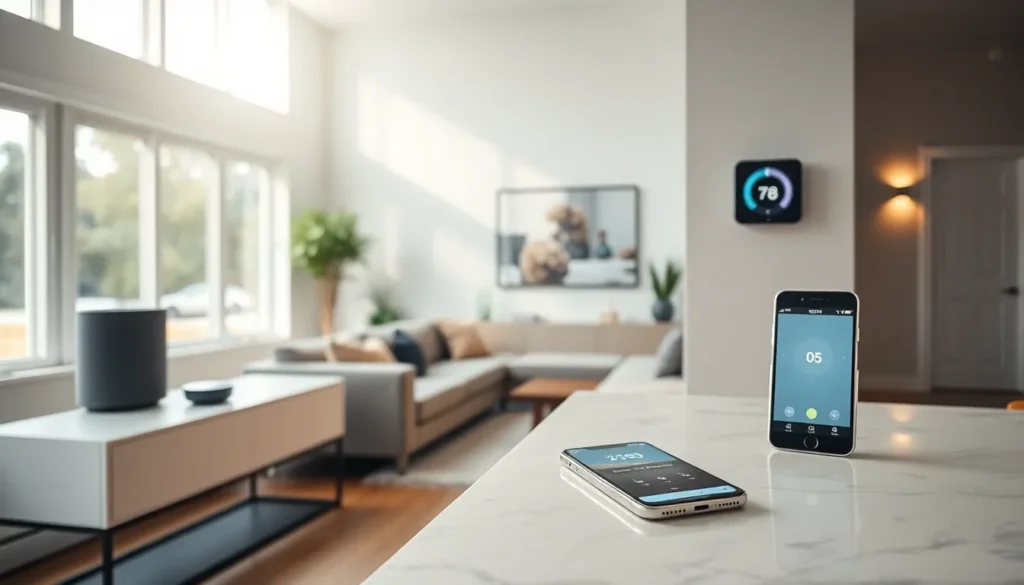
ToggleSmart home devices have changed how people interact with their living spaces. These connected gadgets automate daily tasks, improve security, and reduce energy costs. From voice-controlled speakers to smart thermostats, millions of households now rely on this technology.
The global smart home market reached $121 billion in 2024. Experts predict continued growth as devices become more affordable and user-friendly. Whether someone wants to dim lights with a voice command or monitor their home remotely, smart home devices offer practical solutions.
This guide covers everything readers need to know about smart home devices. It explains what they are, explores popular types, highlights key benefits, and provides tips for choosing the right products.
Key Takeaways
- Smart home devices automate daily tasks, enhance security, and reduce energy costs through internet-connected technology.
- Smart thermostats can cut heating and cooling bills by 10-15% annually, often paying for themselves within two years.
- Choose smart home devices that are compatible with your existing ecosystem—Amazon Alexa, Google Home, or Apple HomeKit—to maximize automation options.
- Start small with a smart speaker and a few bulbs, then expand your system gradually to avoid overwhelm and spread costs over time.
- Prioritize products from reputable manufacturers and enable two-factor authentication to protect your privacy and home network security.
What Are Smart Home Devices
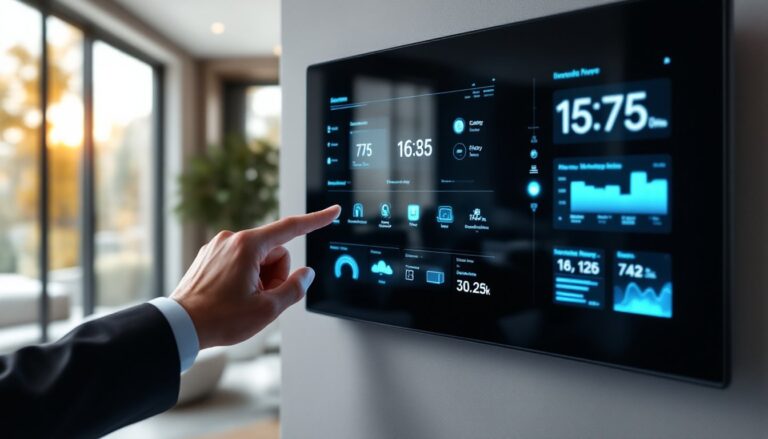
Smart home devices are electronic gadgets that connect to the internet and communicate with each other. They allow users to control home functions remotely through smartphones, tablets, or voice commands.
These devices use Wi-Fi, Bluetooth, Zigbee, or Z-Wave protocols to share data. A central hub or app typically manages the entire system. Users can create automated routines, like turning off all lights at bedtime, with a single tap or voice prompt.
Smart home devices fall into several categories:
- Entertainment: Smart TVs, streaming devices, and speakers
- Security: Cameras, doorbells, and smart locks
- Climate control: Thermostats and smart fans
- Lighting: Smart bulbs and switches
- Appliances: Refrigerators, washers, and robot vacuums
The “smart” label means these products can receive updates, learn user preferences, and integrate with other connected gadgets. A smart thermostat, for example, learns a household’s schedule and adjusts temperatures automatically. This connectivity separates smart home devices from traditional electronics.
Popular Types of Smart Home Devices
The smart home market offers hundreds of products. Some categories have gained more traction than others due to their practicality and ease of use.
Smart Speakers and Voice Assistants
Smart speakers serve as the command center for many connected homes. Amazon Echo, Google Nest, and Apple HomePod are the leading options. These devices use voice assistants, Alexa, Google Assistant, and Siri, to respond to spoken commands.
Users can ask their smart speaker to play music, set timers, check the weather, or control other smart home devices. “Alexa, turn off the living room lights” is a common example. Voice assistants also answer questions, make calls, and read audiobooks.
Smart speakers have improved significantly since their debut. Current models offer better sound quality, faster response times, and stronger privacy controls. Many households own multiple units placed throughout different rooms.
Smart Lighting and Thermostats
Smart lighting gives users complete control over their home’s ambiance. Brands like Philips Hue, LIFX, and Wyze sell bulbs that change color, dim on command, and follow automated schedules. Users can program lights to turn on at sunset or flash when someone rings the doorbell.
Smart thermostats represent one of the most practical smart home devices available. The Nest Learning Thermostat and Ecobee SmartThermostat adjust heating and cooling based on occupancy patterns. They detect when residents leave and lower energy usage automatically.
These thermostats display energy reports showing exactly how much power a household consumes. Studies show smart thermostats can reduce heating and cooling costs by 10-15% annually. That savings often pays for the device within two years.
Benefits of Building a Smart Home
Smart home devices deliver real advantages that justify their cost. Here are the primary benefits users experience.
Convenience and Time Savings
Automation handles repetitive tasks without manual input. Smart home devices can lock doors at night, start the coffee maker each morning, and adjust blinds based on sunlight. These small time savings add up over weeks and months.
Voice control eliminates the need to walk across the house to flip a switch. Parents with their hands full appreciate this feature. So do people with mobility challenges.
Energy Efficiency
Smart home devices help reduce utility bills. Smart thermostats optimize heating and cooling. Smart plugs identify energy-draining appliances. Smart lighting ensures bulbs don’t stay on in empty rooms.
The U.S. Department of Energy estimates that smart thermostats alone save the average household $180 per year. Multiply that across several smart home devices, and the impact grows substantially.
Enhanced Security
Smart cameras, doorbells, and locks provide peace of mind. Users receive instant alerts when someone approaches their door. They can check live camera feeds from anywhere. Smart locks allow temporary access codes for guests or delivery drivers.
These security features prove especially valuable for frequent travelers. Monitoring a home remotely was once expensive and complicated. Smart home devices made it accessible to everyone.
Increased Home Value
Real estate agents report that smart home devices can boost property appeal. Buyers increasingly expect modern homes to include connected features. A well-integrated smart home system may increase resale value.
How to Choose the Right Smart Home Devices
Selecting smart home devices requires some planning. Not every product works with every system. Follow these guidelines to make informed decisions.
Check Ecosystem Compatibility
Smart home devices work best within compatible ecosystems. Amazon Alexa, Google Home, and Apple HomeKit are the three major platforms. Before buying, verify that new products integrate with existing devices.
Someone who owns an Amazon Echo should prioritize Alexa-compatible smart home devices. Mixing ecosystems creates friction and limits automation options.
Start Small and Expand
Beginners don’t need to automate everything at once. A smart speaker and a few smart bulbs make a good starting point. Users can add cameras, thermostats, and other smart home devices as they become comfortable with the technology.
This gradual approach prevents overwhelm and spreads costs over time.
Read Reviews and Compare Features
Product quality varies widely. Some smart home devices offer excellent value while others disappoint. User reviews on retail sites reveal common issues like connectivity problems or app glitches.
Compare features across similar products. A $20 smart plug and a $40 smart plug may look identical but differ in energy monitoring capabilities or build quality.
Consider Privacy and Security
Smart home devices collect data about daily habits. Choose products from reputable manufacturers with clear privacy policies. Enable two-factor authentication on accounts. Keep device firmware updated to patch security vulnerabilities.
Set a Realistic Budget
Smart home devices range from $10 smart plugs to $300 smart locks. Determine priorities before shopping. Security might matter more than entertainment, or vice versa. Allocate spending based on what provides the most value for each household’s specific needs.