Table of Contents
ToggleSmart home devices have transformed how people interact with their living spaces. These connected gadgets let homeowners control lighting, security, temperature, and entertainment through smartphones or voice commands. The global smart home market reached $121 billion in 2024, and that number keeps climbing as more households embrace automation.
But what is smart home devices exactly, and how do they fit into daily life? This guide breaks down the technology behind these products, explores popular device categories, and explains what buyers should know before making a purchase. Whether someone wants to save energy, boost security, or simply make life more convenient, smart home technology offers practical solutions worth understanding.
Key Takeaways
- Smart home devices connect to the internet and use wireless protocols like Wi-Fi, Bluetooth, Zigbee, or Z-Wave to automate lighting, security, temperature, and entertainment.
- Voice assistants such as Alexa, Google Assistant, and Siri serve as the central interface for controlling smart home devices throughout your house.
- Smart thermostats and automated lighting can reduce energy bills by 20-30% when used strategically.
- Before buying smart home devices, check compatibility with your preferred ecosystem (Apple HomeKit, Google Home, or Amazon Alexa) to avoid frustrating returns.
- Start small with affordable options like smart plugs or bulbs to test smart home technology before making larger investments.
- Prioritize privacy and security by using strong passwords, enabling two-factor authentication, and keeping firmware updated on all connected devices.
How Smart Home Devices Work
Smart home devices connect to the internet and communicate with each other through wireless protocols. Most use Wi-Fi, Bluetooth, Zigbee, or Z-Wave to send and receive signals. A central hub or smartphone app typically serves as the control center for these gadgets.
Here’s a simple breakdown of the process:
- Sensors detect changes – A motion sensor picks up movement, or a thermostat reads the room temperature.
- Data travels to the cloud – The device sends this information to a remote server for processing.
- Commands return to the device – Based on user settings or automation rules, the device takes action.
Voice assistants like Amazon Alexa, Google Assistant, and Apple Siri act as interfaces between users and their smart home devices. Someone can say “turn off the kitchen lights,” and the assistant relays that command to the connected light bulbs.
Smart home devices also work through automation routines. Users can program their systems to perform specific actions at certain times. For example, a smart thermostat might lower the temperature at 10 PM each night, or smart lights could turn on at sunset.
The Internet of Things (IoT) makes all this possible. Smart home devices are essentially IoT products designed for residential use. They rely on stable internet connections and compatible software to function properly.
Popular Types of Smart Home Devices
The smart home devices market includes dozens of product categories. Here are the most common ones found in connected households:
Smart Speakers and Displays
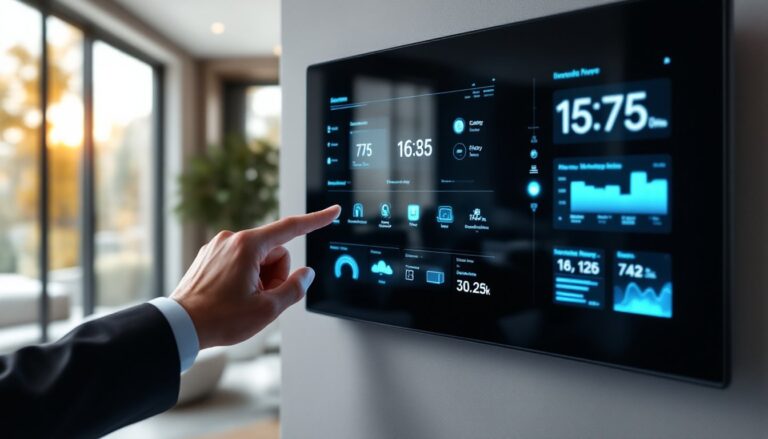
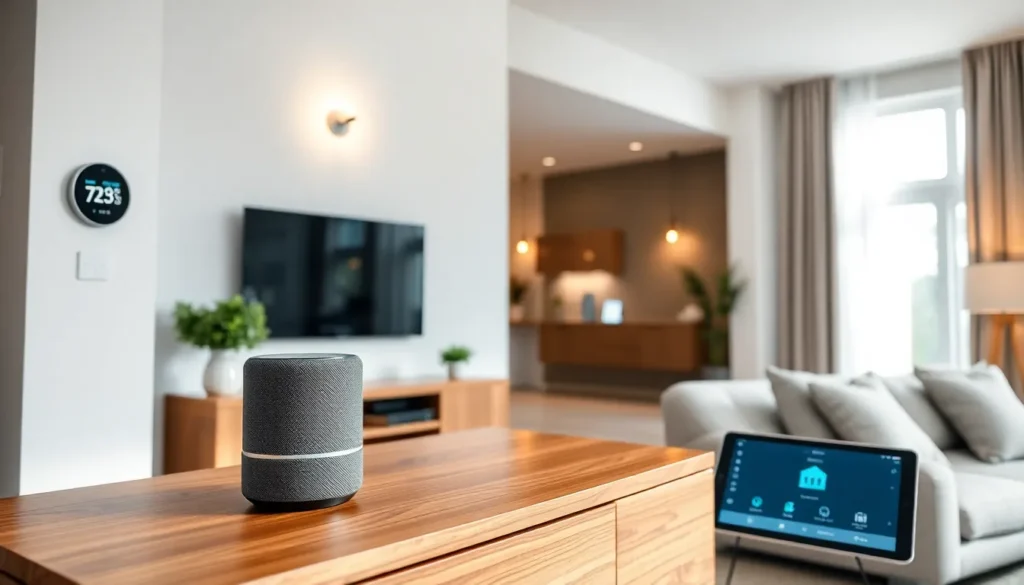
Amazon Echo, Google Nest, and Apple HomePod lead this category. These devices respond to voice commands, play music, answer questions, and control other smart home devices throughout the house. Smart displays add screens for video calls, recipe viewing, and security camera feeds.
Smart Thermostats
Products like Nest Learning Thermostat and Ecobee learn household patterns and adjust temperatures automatically. Homeowners using smart thermostats report energy savings of 10-15% on heating and cooling costs. These devices also allow remote temperature control through smartphone apps.
Smart Lighting
Philips Hue, LIFX, and Wyze offer smart bulbs that change colors, dim on command, and operate on schedules. Smart light switches provide similar functionality without replacing individual bulbs. Many people start their smart home devices journey with lighting because of the low cost and easy setup.
Smart Security Systems
Video doorbells from Ring and Nest show visitors before anyone opens the door. Smart locks let homeowners grant temporary access codes to guests or service workers. Security cameras with cloud storage capture footage around the clock. These smart home devices provide peace of mind and practical protection.
Smart Appliances
Refrigerators, washing machines, and ovens now come with internet connectivity. A smart refrigerator can track expiration dates and suggest recipes. A connected washer sends notifications when cycles finish. These appliances represent the higher end of smart home devices investment.
Benefits of Using Smart Home Technology
Smart home devices deliver real advantages that justify their cost for many households.
Energy Efficiency
Automated lighting and climate control reduce waste. Smart thermostats learn when people leave for work and adjust accordingly. Smart plugs cut power to devices that draw electricity even when turned off. Studies show smart home devices can reduce energy bills by 20-30% when used strategically.
Convenience
Voice commands eliminate the need to get up and flip switches. Automation handles repetitive tasks like locking doors at bedtime. Remote access means someone can preheat the oven on their commute home or check if they left the garage door open.
Security
Smart home devices for security offer 24/7 monitoring without monthly fees (though some services charge subscriptions). Motion alerts, video recording, and remote viewing give homeowners visibility into their property at all times. Smart locks remove the risk of lost keys.
Accessibility
People with mobility challenges or disabilities benefit greatly from smart home devices. Voice control eliminates physical interactions with switches and buttons. Automated routines handle tasks that might otherwise require assistance.
Property Value
Homes with smart home devices often sell faster and at higher prices. Buyers increasingly expect connected features, especially among younger demographics. A well-integrated smart home system can serve as a selling point during real estate transactions.
Key Considerations Before Buying
Anyone shopping for smart home devices should evaluate several factors before spending money.
Compatibility
Not all smart home devices work together. Some products only function with specific ecosystems. A buyer committed to Apple HomeKit needs devices that support that platform. Checking compatibility prevents frustrating returns and wasted purchases.
Privacy and Security
Smart home devices collect data about daily habits and household patterns. Buyers should research how companies store and use this information. Strong passwords, two-factor authentication, and regular firmware updates protect against hackers who target connected devices.
Internet Reliability
Most smart home devices depend on stable Wi-Fi. A weak signal or frequent outages will cause problems. Some products offer local control options that work without internet, but cloud-dependent devices become useless during connectivity issues.
Budget
Prices range from $15 smart plugs to $500 smart appliances. Starting small makes sense for beginners. A smart speaker and a few bulbs provide a solid introduction to smart home devices without major investment.
Installation Complexity
Some smart home devices require professional installation or electrical work. Others plug in and connect within minutes. Buyers should honestly assess their technical comfort level before purchasing products that need hardwiring or complex setup procedures.
Long-term Support
Tech companies sometimes discontinue products or shut down supporting services. Choosing smart home devices from established brands reduces the risk of buying something that stops working in two years.