Table of Contents
ToggleTiny house blocks, modular, prefabricated living units designed for minimal footprint and maximum efficiency, have moved from niche trend to practical housing solution. Whether you’re facing skyrocketing property costs, seeking eco-conscious living, or simply tired of maintaining sprawling square footage, tiny house blocks offer a tangible path forward. These compact dwellings aren’t about sacrifice: they’re engineered for smart living. In 2026, as housing affordability remains a crisis in many markets and sustainability concerns drive consumer choices, tiny house blocks represent a genuine alternative. This guide walks you through what they are, why homeowners choose them, and how to evaluate whether one fits your life.
Key Takeaways
- Tiny house blocks offer a practical housing solution costing $80,000–$200,000 fully installed, significantly reducing housing expenses compared to traditional single-family homes while lowering monthly utilities, property taxes, and insurance.
- Factory-built tiny house blocks eliminate weather delays and material waste, with precision manufacturing and climate-controlled production resulting in faster completion times and more predictable costs than site-built construction.
- Energy-efficient design with high-performance insulation, triple-pane windows, and integrated solar options makes tiny house blocks an eco-friendly alternative that reduces heating, cooling, and water consumption without sacrificing comfort.
- Before purchasing, verify local zoning laws and building codes—not all jurisdictions permit tiny houses or ADUs on single-family lots, making early planning and building department consultation essential to avoid costly delays.
- Strategic storage design, neutral colors, skylights, and smart layout choices maximize perceived space in tiny house blocks, turning compact living into intentional and comfortable homes rather than sacrificial downsizing.
- Plan 9–12 months ahead for the complete process, including lot preparation, permits, foundation work, and utility connections, as tiny house block projects follow the same regulatory timeline as traditional construction despite their modular advantages.
What Are Tiny House Blocks?
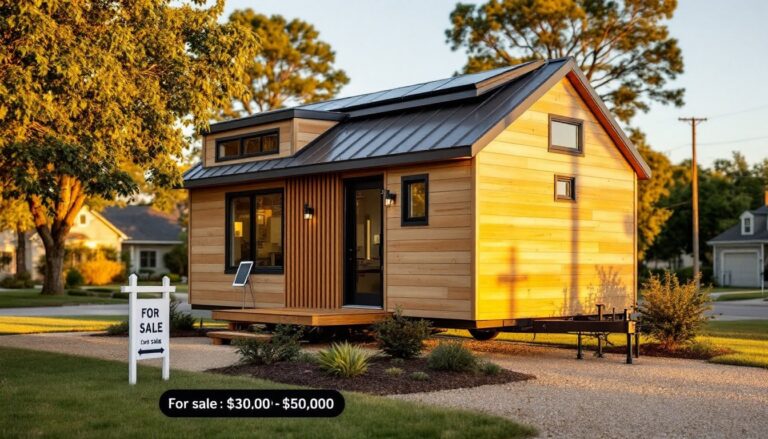
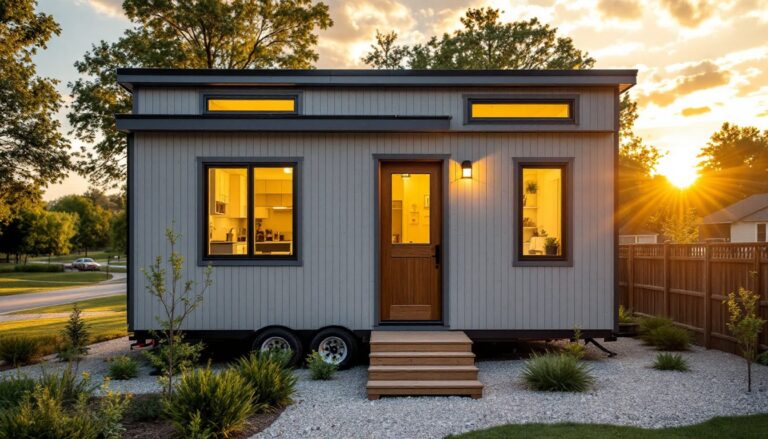
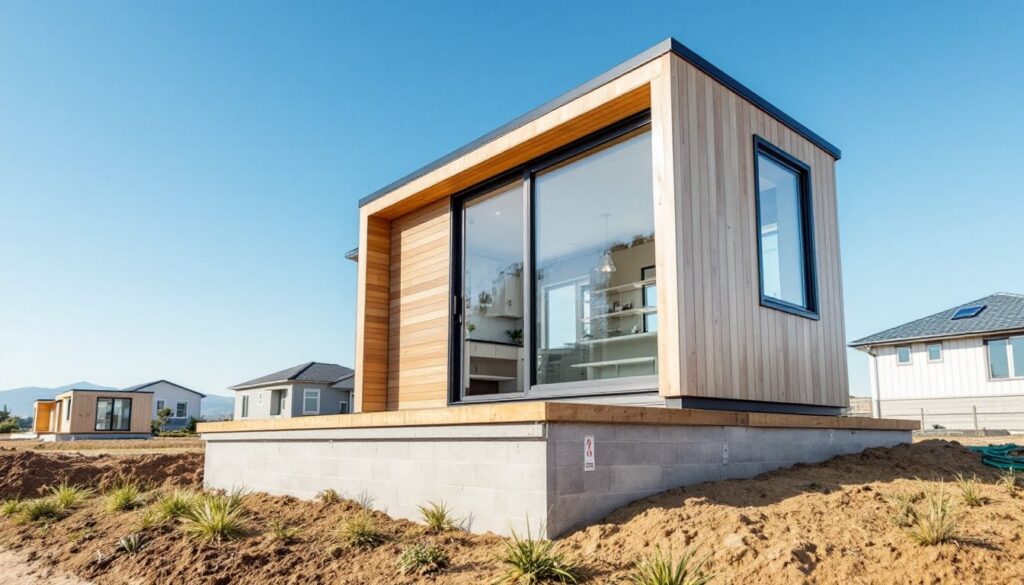
Tiny house blocks are self-contained living units, typically ranging from 200 to 600 square feet, built off-site in controlled factory environments and delivered as complete or semi-complete modules. Unlike traditional site-built homes, they arrive substantially finished: framing, electrical, plumbing, insulation, and interior finishes are already installed. You bolt them to a foundation, connect utilities, and you’re done.
They differ from RVs and trailers because they’re built to permanent foundation standards (IRC and local building codes apply) and aren’t designed for frequent relocation. They also differ from ADUs (accessory dwelling units) in that blocks are factory-produced, standardized modules, whereas ADUs are typically site-built additions to existing properties.
Common configurations include studio and one-bedroom layouts, though multi-unit stacking is possible. Materials vary, some use traditional lumber framing with standard drywall and shingles, while others leverage advanced materials like SIPs (structural insulated panels) or steel framing. Finishes range from basic utility-grade to high-end custom interiors.
Why Homeowners Are Choosing Tiny House Blocks
The appeal spans three core drivers: financial freedom, environmental responsibility, and practical lifestyle shift. Let’s break them down.
Cost Savings and Affordability
The math is straightforward. A modular tiny house block typically costs $80,000 to $200,000 fully delivered and installed, depending on finishes and regional labor. That’s roughly $400–$500 per square foot, compared to $150–$300+ per square foot for a traditional single-family home (and that doesn’t include land). Even factoring in foundation work, utility connections, and permits, a homeowner avoids the waste and schedule delays of site-built construction.
Factory production eliminates weather delays, material waste, and labor inefficiency. Workers operate in climate-controlled shops year-round, and components are manufactured to exact specifications. Waste drops dramatically, offcuts are reused or recycled on-site.
These savings directly lower your monthly carrying costs. Smaller footprint means lower utilities, lower property taxes (based on square footage), and lower insurance. For homeowners practicing house hacking strategies, a tiny house block on the same lot as a primary residence becomes an income-generating asset with minimal overhead.
Sustainability and Eco-Friendly Living
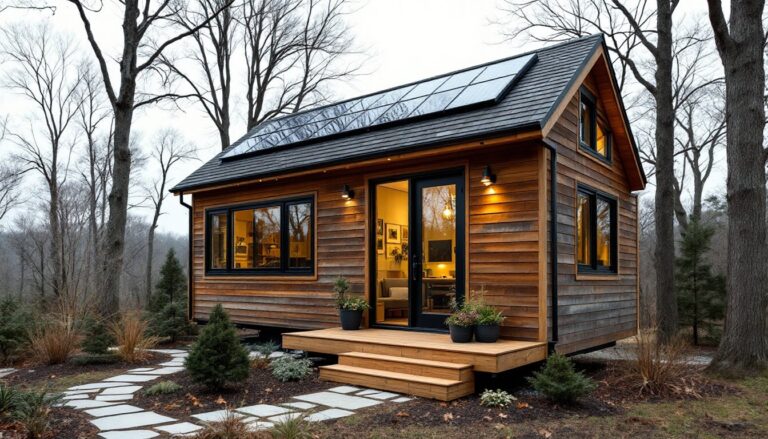
Smaller homes demand less energy for heating, cooling, and lighting. Most modern blocks include high-performance insulation, triple-pane windows, and efficient HVAC systems, often beating code minimums. Some manufacturers integrate solar-ready roofs or allow ground-mounted arrays from day one.
Factory construction also reduces material waste significantly. Precision fabrication means fewer mistakes, and leftover materials stay in the production loop rather than heading to landfills. Many manufacturers source sustainably harvested lumber and low-VOC finishes.
Water consumption drops too. With reduced square footage, fixtures demand less. Greywater systems and rainwater collection integrate more easily into a smaller footprint. If sustainability aligns with your values, resources like Fine Homebuilding detail passive solar design and energy modeling, many block manufacturers incorporate these principles from the start.
Designing Your Tiny House Block
Before you place an order, nail down your actual needs. Spend a week tracking how you use your current living space. Do you work from home? Host frequent gatherings? Have hobbies requiring workshop space? These answers shape which layout and features serve you best.
Most manufacturers offer 3–8 floor plans with options to customize. A studio works for solo living or couples: a one-bedroom suits families with one child or serves as a rental unit. Open-concept layouts maximize perceived space, while defined zones help couples maintain privacy.
Insulation and envelope performance matter enormously in tiny spaces. Cold walls make a 400-square-foot home feel cramped. Demand R-30 minimum in walls (most codes require R-19 or R-21: better performers use R-30–R-38) and R-49 in the attic. Windows should be double- or triple-pane with low-E coatings.
Storage absorbs half your design effort. Built-in cabinetry, under-bed drawers, and lofted sleeping areas maximize utility. Poor storage kills tiny living fast. Appliances also matter, standard full-size refrigerators and ranges dominate, but some embrace compact European-style units to free floor space.
Color and light expand perceived size without costing more. Light neutral walls, pale cabinetry, and strategic mirrors and skylights keep interiors airy. Apartment Therapy showcases small-space design principles that apply directly, high ceilings, vertical storage, and intentional furnishing.
Getting Started: Planning and Permits
Buying a tiny house block isn’t an impulse purchase. Start 9–12 months before you need it occupied.
Step 1: Verify Local Zoning and Codes
This is non-negotiable. Not all jurisdictions allow ADUs or tiny houses on single-family lots. Some ban structures under a minimum square footage. Check your local zoning ordinance and building department website: many now list ADU rules clearly. If you’re exploring house hacking examples by renting a block on your primary property, confirm rental regulations too. Some areas require owner occupancy of one unit or cap the number of rentals. Call your building department, seriously, pick up the phone. Email responses take weeks.
Step 2: Secure and Prepare the Lot
You need a foundation. Most blocks require a concrete slab (4–6 inches) or a post-and-pier system. Hire a local foundation contractor to assess soil and frost depth (varies by region). Poor drainage or unstable soil costs thousands to remediate before the block arrives. Have utilities marked, utilities companies do this free in most states. Underground gas, electric, water, and sewer lines must be identified before excavation.
Step 3: Obtain Permits
Your manufacturer or dealer typically handles engineering and plan submissions, but you’re responsible for the building permit. This process takes 4–8 weeks depending on jurisdiction. Expect inspections at foundation, rough electrical/plumbing, and final. The block arrival usually can’t happen until foundation is approved.
Step 4: Utilities and Connections
Once the block sits on the foundation, licensed electricians, plumbers, and gas fitters make final connections. If the block is delivered partially finished (rough-in only), this work extends your timeline. Budget $5,000–$15,000 for utilities hookup and final inspections, depending on existing infrastructure on your lot.
Step 5: Understanding Financing
Traditional mortgage lenders sometimes hesitate on modular homes, though this is improving. Some banks treat a tiny block like a manufactured home, requiring specific insurance and down payments. Explore construction loans from credit unions or portfolio lenders familiar with modular construction. How to house hack strategies often rely on rental income from a second unit, if that’s your plan, lenders may count projected rental income as part of your debt-to-income ratio.
Don’t assume a tiny house block requires fewer permits or faster approval than a traditional build. It doesn’t. You still need site plans, utility diagrams, and structural certification.
Conclusion
Tiny house blocks aren’t a shortcut: they’re a deliberate choice to align housing with actual needs. The financial case is compelling, the environmental benefit is real, and the lifestyle shift works for those who’ve done the assignments. Start by checking local zoning, touring finished units if possible, and getting honest about how much space you actually need. The most successful tiny house block owners planned meticulously before signing a contract. That discipline pays off in comfort and savings for decades to come.