
Table of Contents
ToggleTiny house trailers have shifted from niche lifestyle choice to practical housing solution for thousands of Americans looking for affordability, mobility, and simplicity. Whether you’re drawn to the freedom of towing your home down the highway or the financial sense of a compact, low-maintenance dwelling, a tiny house trailer demands different knowledge than traditional homeownership. This guide breaks down what to look for, what pitfalls to avoid, and how to make the most of your investment once you’ve hitched up.
Key Takeaways
- A tiny house trailer costs $30,000–$150,000 compared to median home prices above $400,000, offering significant affordability with lower utility and maintenance expenses.
- Choose between on-axle and gooseneck trailers, and single or double-axle models based on your towing vehicle’s capacity and lifestyle needs—gooseneck and double-axle options provide better stability for heavier builds.
- Prioritize durability features including galvanized steel frames, marine-grade plywood flooring, metal or EPDM roofs, and proper insulation (R-15 walls, R-19+ roof) to ensure your tiny house trailer investment lasts 20+ years.
- Verify your vehicle’s towing and tongue weight capacity before purchasing—exceeding these limits risks accidents, transmission failure, and warranty voidage.
- Budget for location costs (from free to $500+ monthly), annual maintenance inspections ($50–150 yearly), and realistic utility expenses to understand your total cost of ownership.
- Hire professional inspections for structural work and invest in sealed storage to protect your belongings from moisture and weather exposure in mobile living.
What Is a Tiny House Trailer and Why It Matters
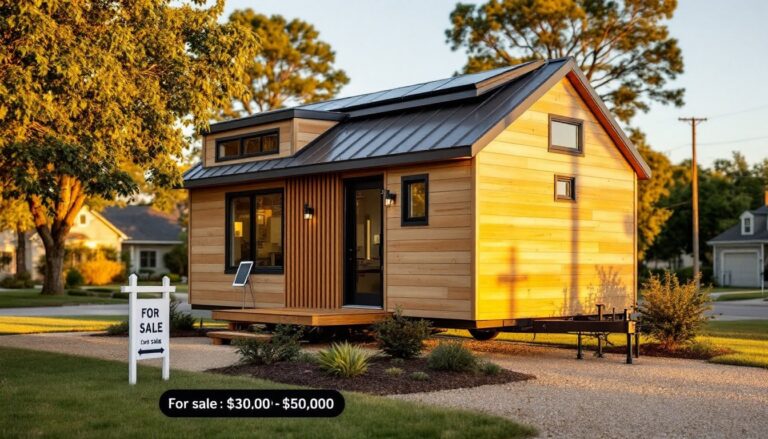
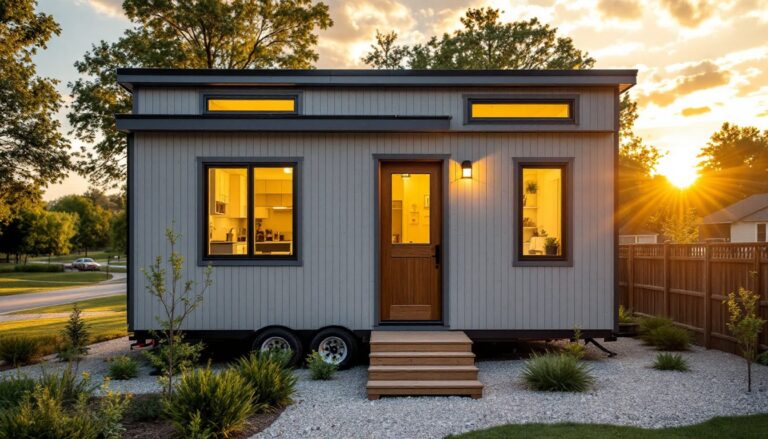
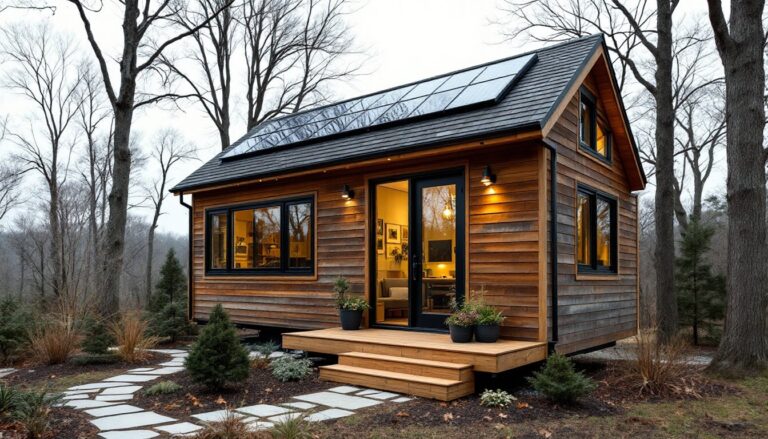
A tiny house trailer is a residential dwelling built on a chassis designed to be towed. Unlike traditional mobile homes, which are often permanently skirted and leveled on foundations, tiny house trailers are engineered specifically for mobility. Most clock in between 200 and 400 square feet, roughly the size of a generous studio apartment or a small house.
Why choose one? Cost is the obvious draw: a quality tiny house trailer typically runs $30,000 to $150,000, compared to median home prices well above $400,000. But the appeal goes deeper. Owners cite reduced utility bills (heating and cooling 300 square feet costs far less), minimal maintenance compared to a full-size home, and the genuine freedom to relocate if a job, family situation, or just wanderlust demands it.
The trade-off is real, though. You’re not building equity the way you would in a house, at least not as reliably. You need to understand permits, zoning restrictions, towing weight limits, and the fact that this isn’t a “park it anywhere” solution. Many municipalities restrict tiny houses to specific zones or require licenses. That said, for the right person in the right situation, a tiny house trailer solves housing problems that a traditional mortgage never could.
Types of Tiny House Trailers for Different Lifestyles
Not all tiny house trailers are the same. Understanding the main categories helps you narrow down what fits your needs.
On-Axle vs. Gooseneck
On-axle trailers (also called bumper-pull) are simpler and cheaper. They connect to a standard hitch on a vehicle’s rear bumper. Gooseneck models sit partly over the towing vehicle’s bed, offering better weight distribution and handling but requiring a pickup truck with a gooseneck hitch. Gooseneck is generally more stable, especially in crosswinds, but it limits which vehicles can tow you and increases the complexity of unhitching.
Single vs. Double Axle
Single-axle trailers are lighter and cheaper but have lower weight limits. Double-axle models (with two sets of wheels) support heavier builds and ride more smoothly. If you’re planning a well-insulated, fully outfitted home with lots of appliances and storage, double-axle is the safer bet. Single-axle works for minimalist setups.
Expansion and Build Style
Some trailers come as bare frames, you finish the interior yourself. Others arrive fully built and ready to live in. Bare frames let you customize everything but demand carpentry, electrical, and plumbing skills. Turnkey models cost more upfront but sidestep months of sweat equity. A third option is buying a used, partially completed trailer and finishing what’s left, a middle ground that often makes financial sense.
Consider also whether you want a slide-out living space (expands square footage when parked) or a fixed footprint. Slide-outs add cost, complexity, and potential leak points but significantly increase usable space.
Key Features to Look for When Selecting a Trailer
Picking the right trailer isn’t just about size, details in construction, materials, and capacity define whether your home will last 5 years or 20.
Foundation and Durability Considerations
The frame is your foundation. Steel frames are standard and durable: aluminum is lighter but can flex more. Check that the frame has been treated against rust, galvanized or painted steel holds up far better than bare metal exposed to road salt and moisture.
Floors matter too. Plywood subfloors are common but absorb water if a seal fails. Marine-grade plywood and tongue-and-groove construction resist moisture better. Some premium trailers use steel or composite flooring, which costs more upfront but virtually eliminates rot risk.
Look at how the roof is constructed. A rubber membrane roof (EPDM) or metal roof beats traditional shingled roofs for trailers because they flex with the movement of the chassis. Metal roofs shed water reliably and last 20+ years: rubber membranes are cheaper but may need replacement in 10–15 years. Walk the roof yourself (if safe) and check for visible seams, caulk condition, and any soft spots signaling water damage beneath.
Insulation isn’t just about comfort, it’s structural insurance. Trailers move and vibrate: insulation that shifts or settles creates gaps. Spray-foam insulation locks in place and seals air leaks but is expensive. Fiberglass batts are standard and adequate if installed carefully: mineral wool resists moisture better. Verify R-values for the walls, roof, and floor: a properly insulated trailer should have at least R-15 walls, R-19+ roof, and R-15 floor insulation for four-season living.
Check water and waste systems directly. Gray water tanks must be accessible for cleaning: black water tanks need to be sized appropriately (20–30 gallons is typical). Fresh water lines should be insulated if you live anywhere cold, frozen lines are a nightmare. Ask whether the trailer comes with RV-grade plumbing fittings or standard household plumbing: RV-grade is more reliable in a mobile structure.
Towing and Weight Capacity
This is non-negotiable. Dry weight is the trailer’s weight empty: loaded weight includes appliances, furniture, water, and your stuff. Know both numbers because your towing vehicle’s capacity is your hard limit.
Check your vehicle’s owner manual for its maximum towing capacity and tongue weight rating. Tongue weight (typically 10–20% of total trailer weight) is where the trailer hitches to your vehicle: exceeding this causes dangerous sway. A common mistake: buyers calculate total trailer weight correctly but ignore tongue weight and end up dangerously over-weighted at the hitch.
Ask the trailer seller for the vehicle recommendation. A 15,000-pound, double-axle gooseneck trailer needs a three-quarter-ton or heavier pickup, not a half-ton. Underestimate this and you risk accident, transmission failure, and voiding your vehicle warranty.
Also confirm the tire rating on the trailer’s tires. Tiny house trailers should have proper light-truck-rated tires, not standard passenger tires. Check pressure regularly: under-inflated tires on trailers fail catastrophically at highway speeds.
Budget-Friendly Tips for Tiny House Trailer Owners
Smart spending starts before you buy and doesn’t stop once you move in.
Buy used strategically. A well-maintained trailer 5–10 years old costs 30–40% less than new but isn’t yet falling apart. Hire a pre-purchase inspection from someone who knows trailers (not just a general mechanic). Check the frame underneath with a flashlight for rust, check all seals around windows and doors, and run the HVAC, plumbing, and electrical systems. That $500 inspection often saves you from a $5,000 surprise.
Choose your location wisely. Trailer parking costs vary wildly, anywhere from free (if you own land) to $500+ monthly in urban RV parks. Rural land is cheaper: suburban and urban spots command premium prices. Factor in a year’s parking costs when comparing a trailer’s total cost of ownership to traditional housing.
DIY what you safely can. Interior finishing, painting, cabinet repairs, and landscaping around your setup are fair game for handy owners. Structural work (roof repairs, frame welding, major plumbing overhauls), electrical service upgrades, and brake work should go to professionals. Knowing the difference saves money and keeps you safe. Resources like Apartment Therapy and Real Simple offer storage and organization ideas that maximize your limited square footage without expensive renovations.
Invest in sealed storage. Trailers expose you to weather. External storage boxes and weatherproof cabinetry protect tools, seasonal items, and utilities from moisture. Metal or plastic sealed bins cost less than constant replacement of water-damaged goods.
Plan utility costs carefully. Propane for heat and hot water is cheaper than electric in many regions, but you’ll refill a 30–40-pound tank regularly (roughly $15–25 per fill depending on propane prices). Electric heating via heat pump or resistance heating is simpler but pricier monthly. Get 12 months of utility data from any trailer you’re considering to forecast real-world costs.
Budget for maintenance. Trailers need annual inspections: tire pressure and condition, all seals and caulk around windows and doors, roof condition, brake fluid, and coupling grease. Budget $50–150 yearly for preventive maintenance to avoid expensive emergency repairs on the road.
Conclusion
Choosing and maintaining a tiny house trailer isn’t a casual decision, but it doesn’t have to be daunting. Focus on durability (frame, roof, seals, insulation), honest about your towing capacity, and realistic about long-term costs. The right tiny house trailer delivers genuine financial and lifestyle freedom, if you match the trailer to your actual needs and commit to proper upkeep. Start with a clear-eyed assessment of your budget, your vehicle’s limits, and where you plan to park. From there, the tiny house life is genuinely achievable. Explore HGTV’s renovation and design inspiration as you finalize your vision and consider how you’ll outfit your space.