Table of Contents
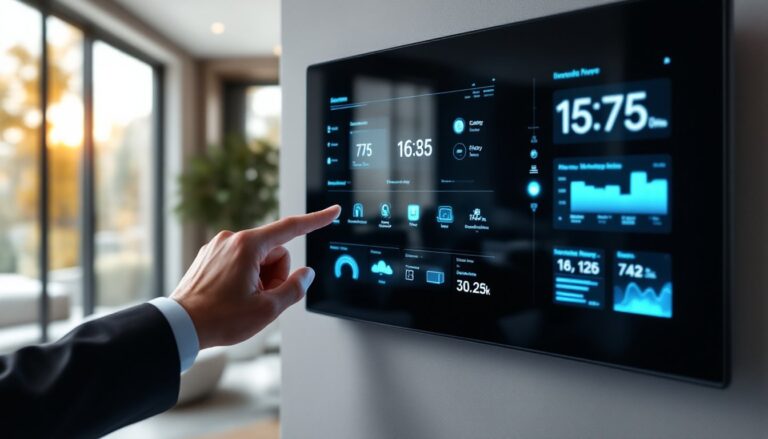
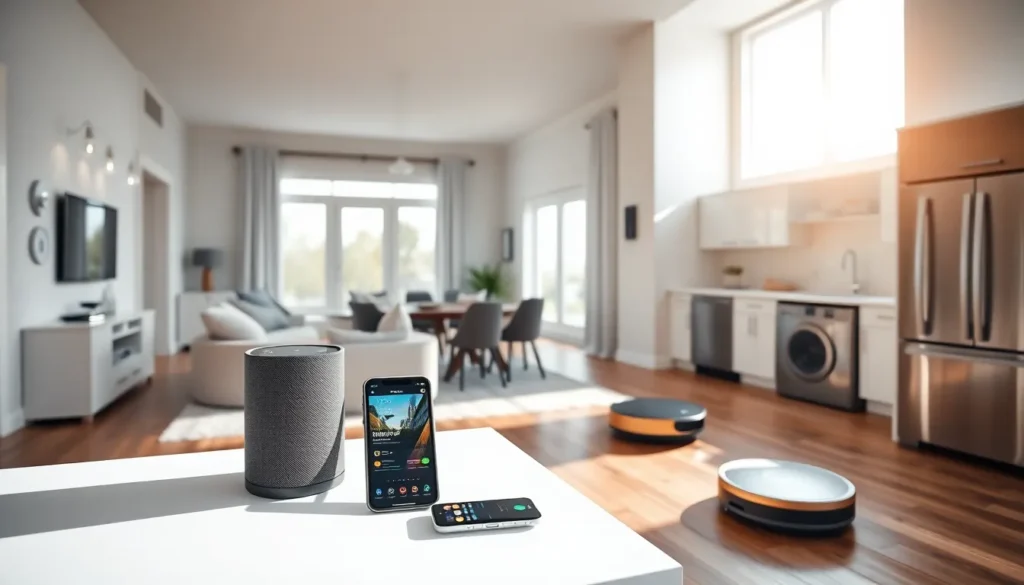
ToggleSmart home devices examples range from voice-controlled speakers to automated thermostats, and they’re changing how people interact with their living spaces. These connected gadgets let homeowners control lights, locks, cameras, and appliances from a smartphone or through simple voice commands. Whether someone wants to save energy, boost security, or just make daily routines easier, there’s a smart device for the job.
This guide breaks down the most popular categories of smart home devices, explains what they do, and highlights practical options worth considering. By the end, readers will have a clear picture of how connected technology can fit into their homes.
Key Takeaways
- Smart home devices examples include voice assistants, smart lighting, thermostats, security cameras, and connected appliances that automate daily tasks.
- Voice assistants like Amazon Echo, Google Nest, and Apple HomePod serve as command centers for controlling multiple smart devices.
- Smart thermostats learn your preferences and can reduce energy bills while offering remote temperature control.
- Security-focused smart home devices—such as video doorbells, Wi-Fi cameras, and smart locks—provide real-time monitoring and keyless entry.
- Robot vacuums and smart kitchen appliances save time by handling routine chores with minimal effort.
- Before purchasing, check device compatibility with your preferred ecosystem (Alexa, Google Assistant, or Siri) for seamless integration.
What Are Smart Home Devices?
Smart home devices are electronic gadgets that connect to the internet and can be controlled remotely. They communicate through Wi-Fi, Bluetooth, Zigbee, or Z-Wave protocols. Users manage these devices through smartphone apps, voice commands, or automated schedules.
The core idea behind smart home devices is simple: give people more control over their environment. A smart thermostat learns heating preferences. A smart lock lets someone open their door without fumbling for keys. A smart plug turns an ordinary lamp into a connected device.
Smart home devices examples fall into several categories:
- Voice assistants and speakers – Control other devices and answer questions
- Lighting systems – Adjust brightness, color, and schedules
- Climate control – Manage temperature and air quality
- Security systems – Monitor homes with cameras, sensors, and alarms
- Appliances – Automate tasks like vacuuming, cooking, and laundry
These devices often work together. A motion sensor can trigger lights to turn on. A voice assistant can arm a security system. This interconnectivity is what makes a “smart home” more than just a collection of gadgets, it becomes an integrated system.
Smart Speakers and Voice Assistants
Smart speakers serve as the command center for many connected homes. These devices use voice assistants like Amazon Alexa, Google Assistant, or Apple Siri to respond to spoken requests.
Popular smart home devices examples in this category include:
- Amazon Echo – Uses Alexa to control compatible devices, play music, set timers, and answer questions. The Echo Dot offers a budget-friendly option, while the Echo Show adds a touchscreen display.
- Google Nest Audio – Powered by Google Assistant, it integrates smoothly with Google services and offers strong sound quality for its size.
- Apple HomePod – Works with Siri and pairs well with other Apple products. The HomePod mini provides a smaller, more affordable alternative.
Voice assistants do more than play music. They can dim lights, lock doors, check the weather, read recipes, and control smart TVs. Many people use them to create routines, saying “Good morning” might trigger the lights to brighten, the coffee maker to start, and the news to play.
Compatibility matters here. Before buying a smart speaker, it’s worth checking which ecosystem fits best. Someone already using Apple devices might prefer HomePod. Android users often lean toward Google Nest. Amazon Echo works with the widest range of third-party devices.
Smart Lighting and Climate Control
Lighting and climate systems offer some of the most practical smart home devices examples. They save energy, improve comfort, and require minimal effort once set up.
Smart Lighting
Smart bulbs and switches let users control lights from anywhere. Options include:
- Philips Hue – A leading smart lighting system with bulbs, light strips, and outdoor fixtures. It offers millions of color options and integrates with most voice assistants.
- LIFX – Produces Wi-Fi-enabled bulbs that don’t require a separate hub. Colors are vibrant, and setup is straightforward.
- Lutron Caséta – A smart switch system that works with existing bulbs. It’s reliable and doesn’t depend on Wi-Fi stability.
Smart lights can follow schedules, respond to motion, or sync with entertainment. Some people set their lights to gradually brighten in the morning as a natural alarm clock.
Climate Control
Smart thermostats learn household patterns and adjust temperatures automatically. This reduces energy waste and lowers utility bills.
- Google Nest Thermostat – Learns preferences over time and creates an efficient heating and cooling schedule. It also shows energy usage reports.
- Ecobee Smart Thermostat – Includes room sensors to balance temperatures across different areas of a home. It has built-in Alexa support.
- Honeywell Home T9 – Another option with room sensors and geofencing, which adjusts settings based on whether anyone is home.
These smart home devices examples pay for themselves over time through energy savings. Many utility companies even offer rebates for installing smart thermostats.
Smart Security and Surveillance
Security devices represent some of the most popular smart home devices examples. They give homeowners peace of mind and real-time visibility into what’s happening at their property.
Smart Cameras
Wi-Fi cameras let users monitor their homes from anywhere. Key options include:
- Ring Stick Up Cam – Works indoors or outdoors, offers motion detection, and stores footage in the cloud (subscription required for video history).
- Arlo Pro 4 – A wireless camera with 2K video quality, color night vision, and a built-in spotlight.
- Google Nest Cam – Integrates with other Nest products and offers intelligent alerts that distinguish between people, animals, and vehicles.
Video Doorbells
Video doorbells show who’s at the door without opening it. They’re useful for package deliveries and deterring porch theft.
- Ring Video Doorbell – The most recognized name in this category. It offers motion alerts, two-way audio, and live video.
- Google Nest Doorbell – Provides 24/7 recording and smart alerts. It can recognize familiar faces.
Smart Locks and Sensors
Smart locks eliminate the need for physical keys. Users unlock doors with codes, fingerprints, or smartphone apps.
- August Wi-Fi Smart Lock – Installs over existing deadbolts and offers auto-lock and unlock features based on location.
- Schlage Encode – A full deadbolt replacement with a built-in keypad and strong encryption.
Door and window sensors add another layer. They send alerts when someone opens an entry point. Paired with a smart speaker, they can announce “Front door opened” whenever someone enters.
Smart Appliances for Everyday Convenience
Smart appliances handle routine tasks with less effort. These smart home devices examples make daily life smoother.
Robot Vacuums
Robot vacuums clean floors on their own. They map rooms, avoid obstacles, and return to their charging docks.
- iRobot Roomba – A well-known brand with models ranging from basic to advanced. Higher-end versions empty their own dustbins.
- Roborock S8 – Offers strong suction, mopping capabilities, and detailed app controls.
- Eufy RoboVac – A budget-friendly option that still delivers solid performance.
Smart Kitchen Appliances
Kitchen gadgets are getting smarter too. Examples include:
- Samsung Smart Refrigerator – Features a touchscreen, internal cameras, and the ability to create shopping lists.
- Instant Pot Smart – Connects to an app for remote monitoring and access to recipes.
- June Oven – Uses a camera and AI to identify food and suggest cooking settings.
Washers and Dryers
Smart laundry machines send notifications when cycles finish. Some models let users start loads remotely or download new wash cycles.
- LG ThinQ Washer – Offers app control, cycle recommendations, and troubleshooting support.
- Samsung Smart Washer – Integrates with SmartThings for full home automation.
These appliances might seem like luxuries, but they save time and reduce the mental load of managing a household. For busy families, that convenience adds up.