Table of Contents
ToggleBuilding a luxury smart home system isn’t just about installing gadgets, it’s about creating an ecosystem where every connected device works seamlessly together. In 2026, high-end smart home automation has evolved beyond simple voice commands into sophisticated integrated solutions that enhance security, energy efficiency, comfort, and convenience. Whether you’re retrofitting an existing home or planning a new build, understanding what separates a premium system from basic smart devices is essential. This guide walks you through the features, platforms, and installation planning needed to create a truly connected home that delivers both functionality and luxury living.
Key Takeaways
- A true luxury smart home system requires seamless device integration, centralized control through a dedicated hub, and professional-grade hardware designed for reliability and long-term scalability across multiple protocols like Z-Wave, Zigbee, and Matter.
- Premium platforms such as Crestron, Control4, Savant, and Apple HomeKit enable sophisticated conditional automation and advanced scheduling that goes beyond simple voice commands—routing complex logic chains that coordinate security, lighting, climate, and access control simultaneously.
- Luxury smart home systems typically cost $8,000–$20,000 for basic premium setups, $20,000–$50,000 for mid-range integrated systems, and $50,000–$150,000+ for high-end professional installations, with labor accounting for 40–60% of total expenses.
- Energy savings from smart thermostats, intelligent lighting, and load-shifting can reduce utility bills by 10–25% annually, while security features often qualify for insurance premium reductions, providing meaningful ROI beyond lifestyle benefits.
- Start modular by installing the control hub, network infrastructure, and essential systems first, then add entertainment and advanced automation later to spread costs, learn the system, and prevent buyer’s remorse as your priorities evolve.
- Work with a licensed integrator who follows National Electrical Code standards and can assess your home’s infrastructure during the planning phase, ideally before construction or major renovation, to avoid expensive demolition and ensure professional setup and ongoing support.
What Defines a Luxury Smart Home System
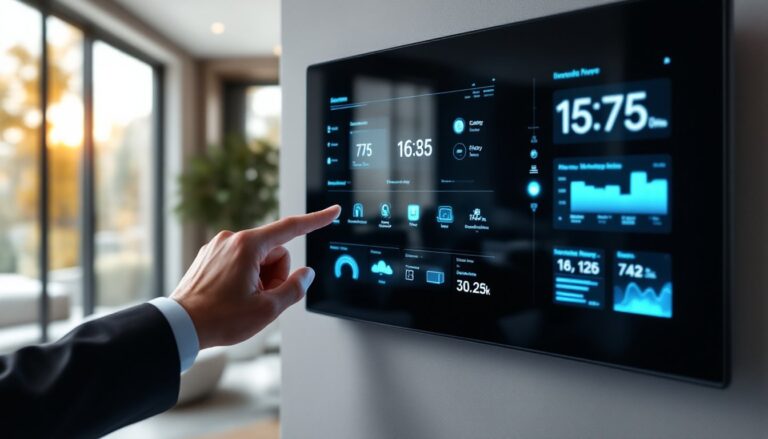
A luxury smart home system goes far beyond pairing a few wireless speakers or motion-sensor lights. True premium automation requires three core elements: seamless device integration, centralized control, and professional-grade hardware designed for reliability and longevity.
Luxury systems are built on robust architectures that use hardwired backbones and redundant wireless mesh networks, not Wi-Fi alone. They employ dedicated control hubs (not just a smartphone app) to manage hundreds of endpoints without lag or dropout. High-end systems distinguish themselves through reliability, scalability, and the ability to handle simultaneous operations without performance degradation.
Critically, luxury smart home systems are designed to be future-proof. You’re not locked into a single manufacturer’s ecosystem: instead, premium platforms support multiple protocols, Z-Wave, Zigbee, and Matter, to ensure new devices integrate effortlessly as technology evolves. Installation often involves running conduit, power supply, and network infrastructure during construction or major renovation, not just plug-and-play convenience outlets.
Key Features That Set Premium Systems Apart
Integration and Ecosystem Compatibility
The hallmark of a luxury smart home is its native integration, meaning devices from different manufacturers work as one coordinated system without third-party workarounds. Premium systems use platforms like Apple HomeKit, SmartThings, or proprietary automation hubs that communicate via secure, standardized protocols. When you arm the security system, it doesn’t just activate cameras: simultaneously, it locks doors, closes specific blinds, adjusts lighting scenes, and sets the thermostat to away mode.
Luxury systems also support conditional automation and advanced scheduling. Rather than “turn on the lights at sunset,” you’re building logic chains: “If the front door is unlocked and motion is detected after 10 p.m., turn on hallway lights, send an alert, and activate camera recording.” This requires a control hub with processing power, not just cloud connectivity.
Another differentiator is voice assistant redundancy. Premium homes often deploy multiple voice assistants, Google Home, Alexa, or Siri, so you’re not dependent on a single ecosystem failing. Integration handles the complexity behind the scenes: you speak a command, and the system routes it to the appropriate device without confusion.
Energy monitoring and load management are also essential. High-end systems include submeters and energy analytics that break down consumption by room, appliance, or circuit. This data feeds into automated demand response, allowing your smart HVAC, hot water heater, and EV charger to shift usage during peak pricing hours, reducing utility costs over time.
Popular Luxury Smart Home Platforms and Solutions
Crestron, Control4, and Savant dominate the professional luxury integration market. These platforms require licensed installers and are proprietary systems, meaning you’re committed to their ecosystem. They excel at unifying home theater, lighting, climate, security, and access control through a single interface. Crestron and Control4 systems cost $15,000 to $75,000+ depending on home size and feature depth: Savant systems typically run $20,000 to $100,000+.
Apple HomeKit offers a premium consumer-grade alternative. It’s built on Thread protocol, which provides robust mesh networking without relying on Wi-Fi or your internet connection. HomeKit supports thousands of certified accessories from brands like Eve, Nanoleaf, and Elgato. Setup requires an Apple TV or HomePod mini as a hub, and automation is encrypted end-to-end. HomeKit is ideal if you’re already in the Apple ecosystem: cost varies based on accessory selection, but the hub itself runs $100–$150.
SmartThings and Home Assistant serve tech-savvy homeowners who want flexibility without professional installation. SmartThings uses Samsung’s cloud infrastructure and supports Z-Wave, Zigbee, and Wi-Fi devices. Home Assistant runs on your own hardware (Raspberry Pi, old laptop), giving you complete privacy and control: it’s open-source and free. Both platforms excel at mixing high-end and budget-friendly devices, though they require comfort with technical troubleshooting. Recent smart home devices trends show growing adoption of Matter-compatible devices, which simplifies switching between platforms.
Lutron, GE Crestron, and Legrand specialize in premium architectural lighting control. These systems use low-voltage hardwired dimmers and switches, delivering flicker-free dimming and scene recall that Wi-Fi lights can’t match. A whole-home Lutron lighting system costs $10,000 to $50,000+ installed, but the reliability and aesthetics justify the investment for luxury homes. The best smart home devices often include professional lighting control as a centerpiece.
Planning Your Luxury Smart Home Installation
Budgeting and ROI Considerations
Begin by defining your priorities: Is this about energy savings, security, entertainment, or convenience? Your answer shapes the platform choice and budget allocation. A luxury smart home system typically costs:
- Basic premium system (lighting, thermostat, locks, cameras, voice control): $8,000–$20,000
- Mid-range integrated system (above + whole-home audio, motorized shades, advanced automation): $20,000–$50,000
- High-end luxury system (professional integration like Crestron or Savant, architectural lighting, energy management, theater automation): $50,000–$150,000+
Labor accounts for 40–60% of total cost, especially if infrastructure (conduit, low-voltage wiring, network upgrades) must be installed during construction or renovation. Plan your smart home strategy early, ideally before framing walls, so installers can run wiring and hardware without extensive demolition.
ROI on luxury smart home systems is indirect but meaningful. Energy savings from programmable thermostats, intelligent lighting, and load-shifting can reduce utility bills by 10–25% annually. Security features reduce insurance premiums (check with your provider). Improved comfort and convenience, motorized blinds, custom lighting scenes, voice control, add subjective quality-of-life value. But, don’t expect a direct payback on installation costs through home resale: instead, view it as a long-term lifestyle investment and potential insurance/energy savings.
When planning installation, work with a licensed integrator experienced in your chosen platform. They’ll assess your home’s network infrastructure, recommend wiring pathways, and ensure proper grounding and electrical safety. Professional installers also provide setup, training, and ongoing support, often invaluable as your system grows. A smart home devices guide can help you understand core components, but complex integrations benefit from expert hands. Verify that installers follow National Electrical Code (NEC) standards for low-voltage and high-voltage wiring, and confirm they pull permits if required in your jurisdiction.
Start modular. Install the control hub, network infrastructure, and essential systems (lighting, thermostat, locks) first. Add entertainment, motorized shades, and advanced automations later as your comfort level grows. This approach spreads cost, lets you learn the system, and prevents buyer’s remorse if you realize your initial priorities shifted. Many homeowners find that smart home devices tips and real-world use reveal new automation opportunities once the foundation is in place.
Final thought: luxury smart home systems demand ongoing attention. Firmware updates, password management, network security, and occasional troubleshooting are part of ownership. Choose platforms with strong community support or professional monitoring services if you prefer hands-off operation. Recent overviews of luxury smart home systems and top smart home devices consistently highlight reliability and support as much as feature set.
Conclusion
A true luxury smart home system elevates your living experience through seamless automation, uncompromising reliability, and integration that scales with your needs. Whether you choose a professional platform like Crestron, a consumer-friendly option like HomeKit, or a flexible open-source solution, the key is planning early, prioritizing your lifestyle goals, and working with experienced installers. The investment in infrastructure, devices, and professional setup pays dividends in comfort, security, and energy efficiency, making your home not just connected, but genuinely intelligent.