Table of Contents
ToggleTiny houses have moved from niche curiosity to legitimate housing solution, and Mint Tiny House Company stands at the forefront of this movement. For homeowners priced out of traditional real estate or seeking a lower-impact lifestyle, a quality tiny home offers genuine affordability without sacrificing comfort. This guide walks you through what Mint offers, how their homes stack up financially, and the real-world considerations before downsizing your life into 400 square feet or less.
Key Takeaways
- Mint Tiny House Company builds code-compliant, move-in-ready homes that range from 300 to 550 square feet, offering genuine affordability and structural integrity compared to sketchy builders in the tiny house industry.
- A finished Mint tiny home typically costs $60,000–$120,000 on wheels or $130,000–$180,000 with foundation, representing 30–50% less than the median U.S. home price while delivering monthly utility savings of $30–$150.
- Energy efficiency and sustainability are built-in by design, with smaller homes requiring 50–70% less energy for heating and cooling and significantly reduced water usage, though the environmental benefit strengthens for long-term occupants staying 10+ years.
- Before committing to a tiny home, verify local zoning laws allow them on your property—many municipalities restrict or ban them—since a denied permit can void your entire investment regardless of cost.
- Downsizing demands ruthless minimalism and realistic space planning; families, pet owners, and those with hobbies or frequent guests should carefully assess whether 400 square feet truly meets their lifestyle needs.
- Financing and resale present real challenges since many banks avoid mortgages for homes under certain square footage, and resale becomes difficult if your circumstances change and you need more space later.
What Is Mint Tiny House Company and Why It Matters
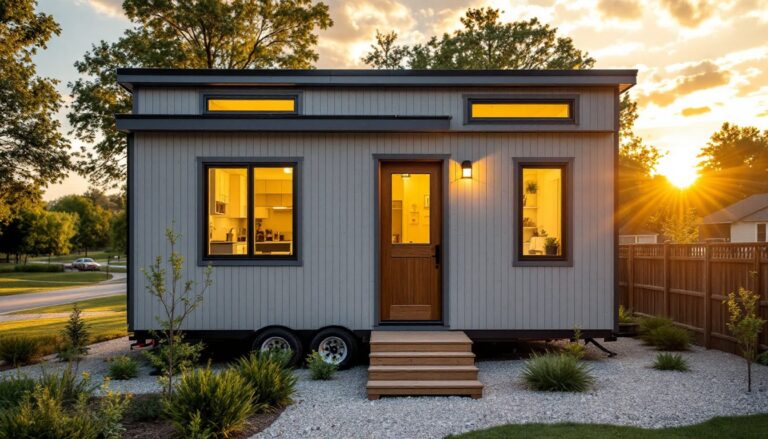
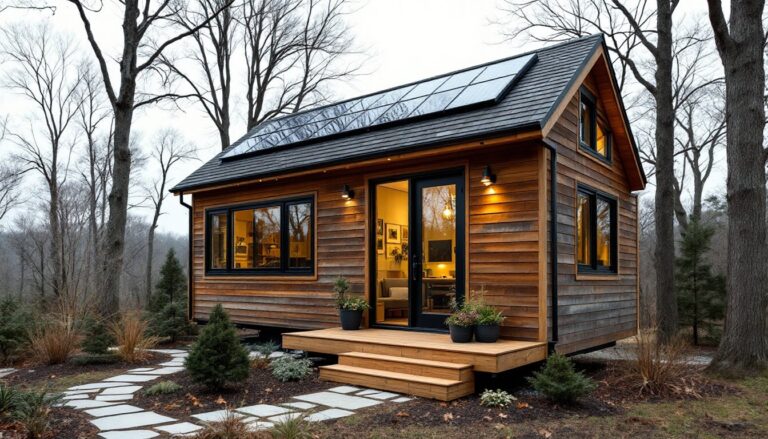
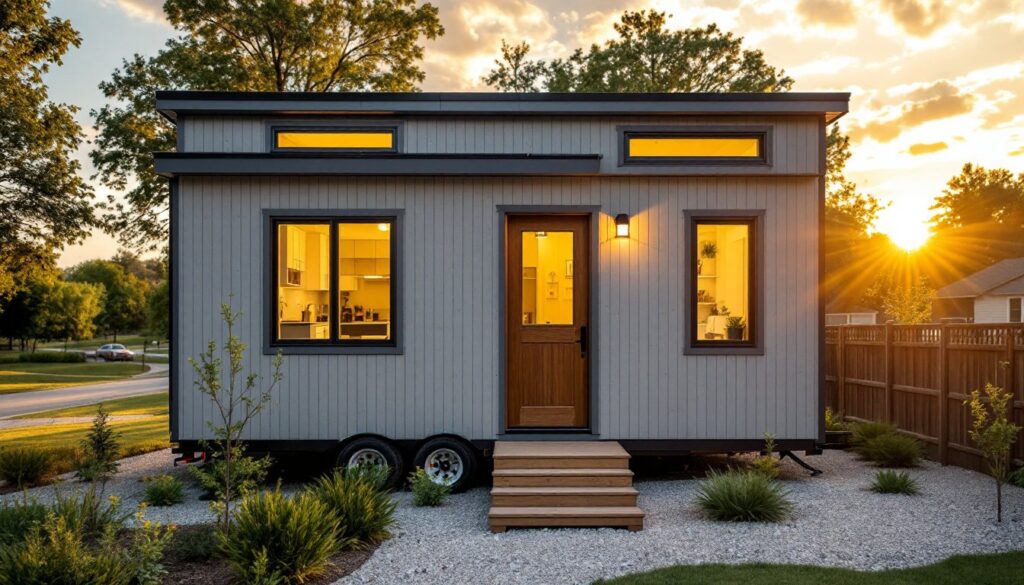
Mint Tiny House Company builds fully finished, move-in-ready homes on wheels and permanent foundations, designed for serious living, not vacationing. Unlike RVs or trailers, Mint homes feature insulation, climate control, full kitchens, and bathrooms engineered to modern building standards. They’re built to stay put, with construction quality you’d expect from a conventional home builder, proper wall framing, code-compliant electrical and plumbing, and finished interiors.
Why this matters for homeowners: the tiny house industry has had its share of sketchy builders and overpriced units. Mint’s track record focuses on structural integrity and owner transparency. Buyers get homes that don’t leak at the first heavy rain or have cabinet hinges that fail in year two. The company operates across multiple regions, making tiny living accessible to people genuinely looking to reduce housing costs and environmental footprint, not just Instagram followers.
Design and Features: What Makes Mint Homes Stand Out
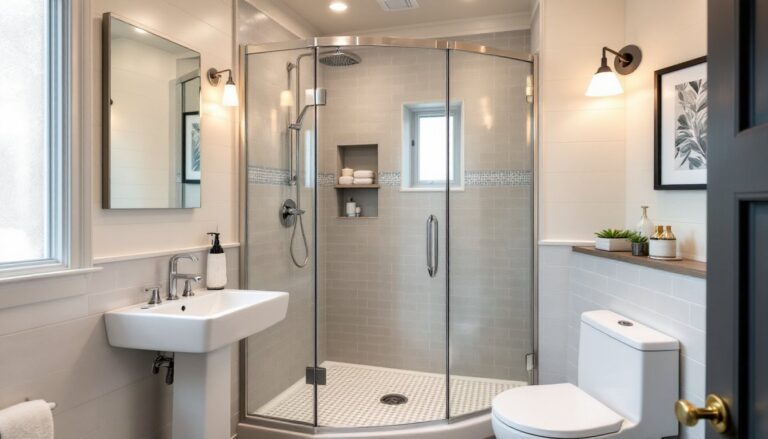
Mint homes range from roughly 300 to 550 square feet, with floor plans that prioritize functional living. Kitchens include full-size appliances, real refrigerators, not dorm-sized units. Bedrooms fit a queen bed with standing room. Bathrooms have either a shower or tub-shower combo, not a glorified closet with a drain.
Interiors use quality materials: vinyl plank flooring, mid-range cabinetry, and real drywall, not particle board covered with vinyl. Heating and cooling typically come from a mini-split HVAC system or a combination of high-efficiency furnace and AC, keeping utility bills low even in harsh climates.
One key difference from traditional builds: every square inch matters. Storage is vertical, appliances are optimized, and layouts follow open-plan logic, no wasted hallways. Lofts for sleeping or storage squeeze functionality into limited footprint. These aren’t cosmetic tricks: they’re genuine design constraints that force smarter planning.
Space-Efficient Layouts and Customization Options
Most Mint homes offer several base floor plans with customization layers. Buyers can upgrade appliances, choose ceiling height, add a loft, or modify kitchen layout within reason. Some companies allow exterior siding or roof pitch changes, though this varies by region and production capacity.
Customization sounds appealing, but, and this is important, major changes delay delivery and can exceed the cost savings of buying tiny in the first place. Stick to finishes and internal configuration: structural or exterior changes often mean waiting months longer or eating unexpected costs. The sweet spot is picking a proven floor plan and choosing paint, countertop, and cabinet upgrades that fit your budget.
Sustainability and Eco-Friendly Building Practices
Tiny homes use less material, less energy, and less water by design. A 400-square-foot home requires maybe 5–7 tons of framing lumber versus 10–12 tons for a 2,000-square-foot house. Heating and cooling bills often run 50–70% lower. That’s not marketing: that’s thermodynamics.
Mint homes typically include energy-efficient features as standard: double-pane windows, high-performance insulation (usually R-15 to R-21 wall insulation and R-30+ roof insulation), and LED lighting throughout. Some units feature solar-ready roof preparation, though actual solar panels are usually an add-on.
Water usage drops dramatically. A tiny home’s fixtures and shorter runs of piping mean less water sitting in lines. Greywater systems, where sink, shower, and washing machine water drains to a separate tank for landscape reuse, are more feasible in a small footprint.
But, “eco-friendly” is relative. The primary environmental win is reduced operational carbon (heating, cooling, electricity over decades). Manufacturing and shipping a tiny home still consume resources. If you plan to stay in that home for 10+ years, the carbon payback period is strong. If you’re treating it as a trend and reselling in two years, the sustainability argument weakens. The math works best for long-term occupants genuinely committed to the lifestyle.
Cost Comparison: Tiny House vs. Traditional Homes
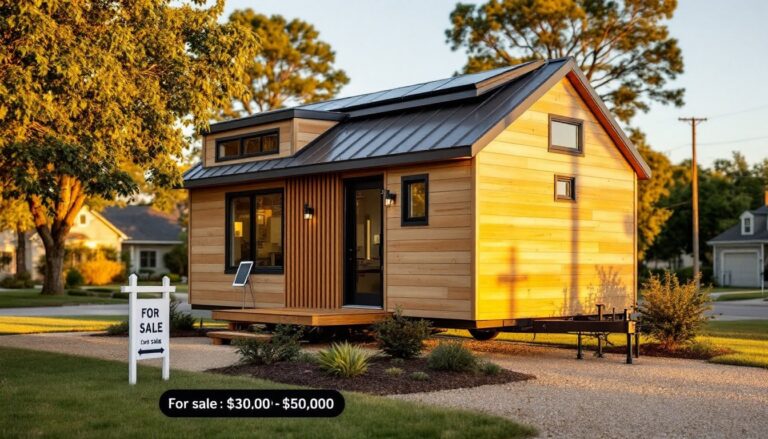
A finished Mint tiny home on wheels typically runs $60,000 to $120,000 depending on size, customization, and region. On a permanent foundation, prices can reach $130,000 to $180,000 with site prep, utilities, and permits included. This is the entry price: it doesn’t include land.
For context: the median U.S. home price hovers around $400,000–$500,000 (varies wildly by region). A tiny home costs 30–50% less, assuming you already own land or secure affordable property. Financing is trickier, many banks don’t issue mortgages for homes under a certain square footage. You might pay cash, use a personal loan, or seek a specialized tiny home lender. Interest rates and terms often differ from traditional mortgages.
Monthly housing costs shift dramatically. A $100,000 tiny home on owned land means zero mortgage (versus $1,800–$3,000/month for a $400,000 house). Utilities run $30–$80/month in mild climates, $100–$150 in harsh ones. Property taxes are lower on a smaller footprint and lower home value. Insurance is cheaper too.
The hidden costs: zoning challenges. Many municipalities restrict tiny homes on wheels to RV parks or rural properties. Placing a tiny home on your own land requires navigating local building codes, foundation permits, and utility connections. Some jurisdictions ban them outright. Before falling in love with the cost savings, verify your local zoning allows them. A denied permit means no home, no matter the price. That’s worth a $500 zoning consultation before committing to a $100,000 purchase. For design and planning insights, small space renovation ideas can inform layout thinking. Also, understanding energy-efficient building methods helps evaluate insulation and climate control choices in your Mint home.
Practical Considerations Before Going Tiny
Downsizing to 400 square feet sounds liberating until you realize you own 2,000 square feet of furniture and hobby equipment. This is the hard part nobody talks about. You’ll need to ruthlessly pare down possessions, not as a fun organizing project, but as a requirement. If you can’t commit to that honestly, a tiny home will feel claustrophobic, not cozy.
Family size matters. A couple or single person adapts easily. A family of four with kids, pets, and grandparent visits becomes tight fast. A loft bedroom works for a guest: it doesn’t work for teenagers who need personal space. Resale becomes harder if your lifestyle circumstances change and you need more square footage later.
Siting also determines livability. A tiny home parked in an RV park surrounded by dozens of others feels cramped and loud. The same home on 5 acres with trees and privacy feels expansive. Urban tiny home communities (increasingly common) split the difference, smaller private lot, walkable neighborhood, shared amenities. Cost per square foot rises, but livability improves dramatically.
Road-towed tiny homes require a heavy-duty truck and trailer setup, initial cost around $15,000–$30,000 just for the tow vehicle if you don’t already own one. Moving a home once or twice is doable: moving it regularly wears on the structure and utility connections. Plan to stay put.
Maintenance isn’t zero. Roofs still need inspection. Siding cracks. HVAC filters still get changed. The difference: everything’s closer and more accessible, so minor repairs are genuinely quick. Major issues (foundation settling, roof damage, plumbing failure) still require professionals and can consume a week’s worth of tiny home budget to fix. For practical renovation guidance, budget-friendly home makeover approaches offer strategies for making small spaces feel intentional and well-designed.
Conclusion
Mint Tiny House Company offers a legitimate pathway to affordable, sustainable housing, if you’re honest about the lifestyle shift. The numbers work: lower mortgage or cash cost, minimal utilities, reduced property taxes. The reality requires commitment to minimalism, careful site selection, and upfront zoning verification. Start by checking your local building codes, then talking to an actual Mint customer about their day-to-day experience, not just the marketing brochure. The right tiny home is transformative: the wrong one becomes an expensive regret.