Table of Contents
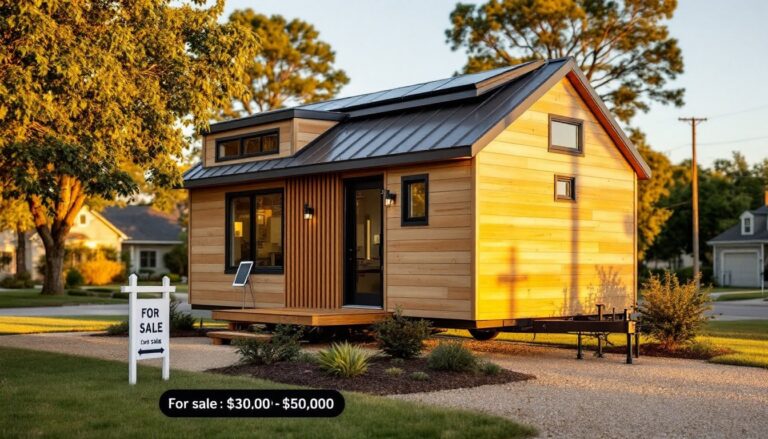
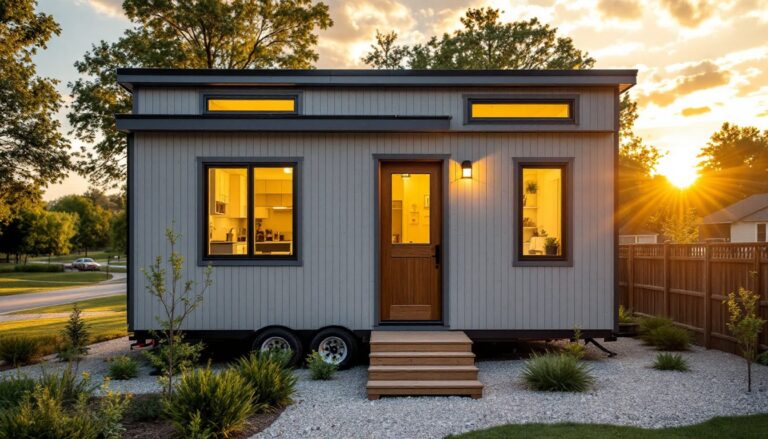
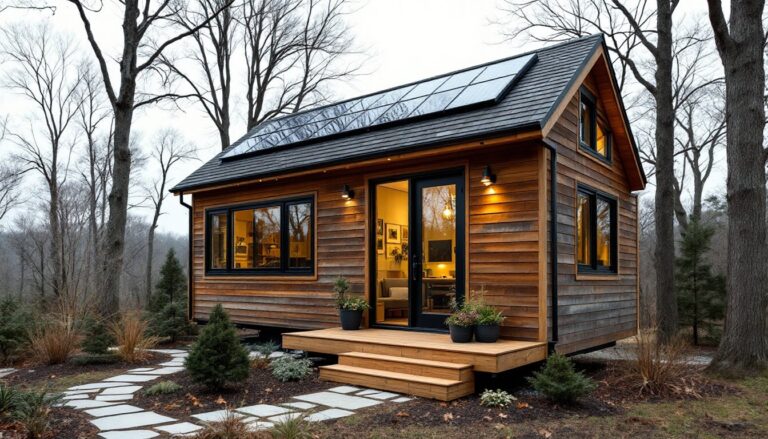
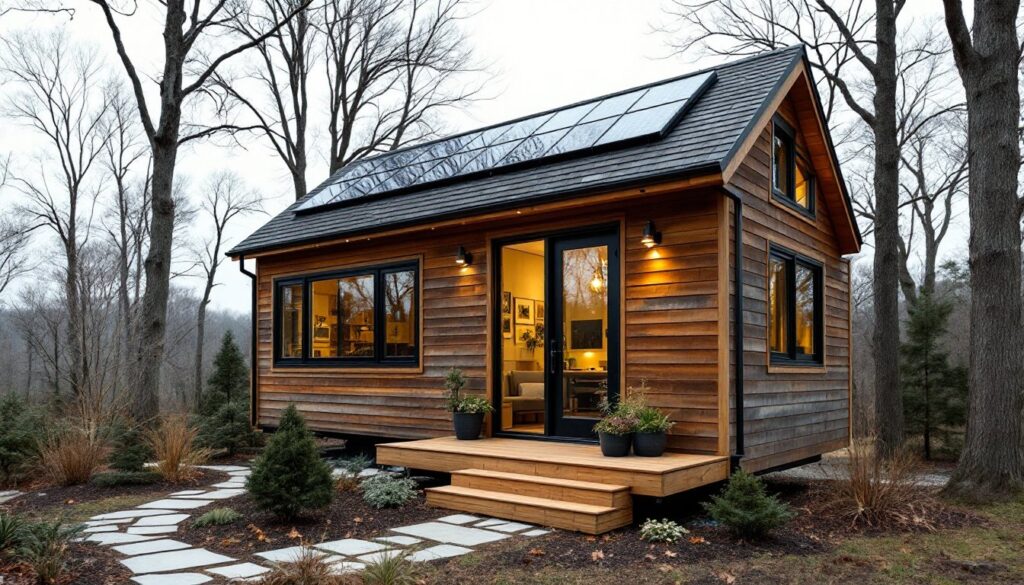
ToggleTiny houses are reshaping how people think about homeownership in Massachusetts. With soaring housing costs and a growing appetite for simpler living, compact homes, typically between 400 and 1,000 square feet, have moved from niche trend to legitimate housing solution. For homeowners and DIY enthusiasts in the Bay State, tiny houses offer a path to affordability, lower utility bills, and less time spent on maintenance. But before jumping in, you need to understand Massachusetts regulations, find the right location, and know how to make every square inch count. This guide breaks down what you need to know about tiny houses in Massachusetts in 2026.
Key Takeaways
- Tiny houses in Massachusetts can cut housing costs by 50% to 70% while reducing monthly utility bills by 40% to 60%, making them a viable alternative to expensive conventional homes.
- Massachusetts zoning laws vary significantly by town, so you must check your specific municipality’s ordinance before pursuing a tiny house project, with progressive towns like Framingham and Amherst offering more flexible accessory dwelling unit (ADU) options.
- Western Massachusetts and outer suburbs like Fitchburg and Leominster offer the most favorable conditions for tiny houses due to lenient zoning, cheaper land, and openness to alternative housing solutions.
- Smart design is critical for tiny house success—prioritize energy-efficient insulation, heat-recovery ventilation, multi-functional spaces, and vertical storage to maximize every square foot.
- All tiny houses must comply with the Massachusetts Building Code and require proper permits and inspections, regardless of whether they’re foundation-built or trailer-based.
Why Tiny Houses Are Gaining Popularity In Massachusetts
Massachusetts homeowners are facing real pressure. Median home prices in Massachusetts top $500,000, with some neighborhoods pushing well over $1 million. That number shuts out first-time buyers, young families, and anyone on a fixed income. Tiny houses cut that financial barrier by 50% to 70%.
Beyond price, tiny living appeals to people tired of maintaining large homes. A 600-square-foot house means less square footage to heat, less roof to replace, fewer windows to seal, and lower property tax assessments in many communities. Monthly utility bills drop significantly, some owners report 40% to 60% savings on heating and electricity.
There’s also a lifestyle shift. People are reconsidering whether a four-bedroom house makes sense when they’re working from home, have grown kids, or simply want to spend weekends outdoors instead of cleaning. Tiny houses force intentional living: you buy what fits, you keep what you use, and you scale everything to your actual needs. In a state where land and labor are premium, that mindset resonates.
Massachusetts Zoning Laws And Tiny House Regulations
Here’s the hard truth: Massachusetts zoning doesn’t make tiny houses easy. Most towns enforce minimum lot sizes (often 1 to 2 acres for residential), minimum house sizes (sometimes 1,000+ square feet), and setback requirements that limit where a small structure can sit. These rules were written decades ago and don’t anticipate tiny houses.
You have a few paths forward. First, check your specific town’s zoning ordinance, contact your local building department or planning board directly. Some progressive towns (Framingham, Amherst, and parts of Cambridge) have modified rules or created accessory dwelling unit (ADU) categories that allow small houses on existing properties. Massachusetts hasn’t passed statewide tiny house legislation yet, so you’re dealing with town-by-town variation.
Second, investigate whether you qualify for an accessory dwelling unit (ADU) permit. If you own land with an existing house, some towns allow a second, smaller residential structure on the same lot, usually 30% to 50% of the primary home’s size. This sidesteps minimum house size restrictions because the ADU is secondary.
Third, explore tiny house communities or developments that have already secured municipal approval. A few are emerging in Massachusetts, these are pre-zoned mini-neighborhoods where the hard legal work is already done. You pay a premium for that convenience, but you avoid years of permit battles.
Finally, be prepared for permits and inspections. Any tiny house, whether it’s foundation-built or on a trailer, must comply with Massachusetts Building Code (which adopts the International Building Code, or IBC, with state amendments). Electrical, plumbing, and structural work all require permits and inspections. Skipping this step invites fines, insurance denial, or problems when you sell.
Best Locations For Tiny Houses Across Massachusetts
Location shapes whether a tiny house is feasible and desirable. Western Massachusetts (Berkshires, Pioneer Valley) has more lenient zoning in rural towns, cheaper land, and a culture that embraces alternative housing. Towns like Ashfield, Montague, and Stockbridge have shown openness to tiny house projects.
Metro Boston and its inner suburbs remain hostile to anything below 1,000 square feet, but outer suburbs like Fitchburg, Leominster, and towns around Worcester are loosening restrictions. These areas sit near job centers, have lower land costs than the coast, and are actively seeking housing diversity.
The North Shore (Marblehead, Gloucester, Rockport) and Cape Cod are tough sells zoning-wise, though wealthy enclaves occasionally permit tiny houses on existing estates for caretaker housing. South Shore towns vary wildly, Hingham and Scituate maintain strict minimums, while smaller neighbors like Kingston have been more flexible.
Before falling in love with a location, verify zoning with the planning board, research lot availability, and talk to neighbors who’ve attempted small-house projects. Rural areas offer affordability and zoning advantage, but they come with longer commutes, limited job markets, and sparser services. Suburban sweet spots, towns with decent public transit or highway access, reasonable land prices, and growing populations, often strike the best balance.
Cost Savings And Financial Benefits Of Tiny Living
The math on tiny houses is compelling. In Massachusetts, a 600-square-foot tiny house might run $200,000 to $300,000 (materials and basic labor), compared to $600,000+ for a conventional small home. You’re saving $300,000 right out of the gate, that’s tax-deductible mortgage interest, equity building, and peace of mind.
Monthly operating costs drop sharply. Heating a 600-square-foot home versus a 2,000-square-foot colonial in a New England winter cuts fuel bills from $200–300/month to $50–100/month. Electricity follows the same curve, smaller square footage, fewer appliances, less cooling and heating load. Annual savings often hit $1,500 to $3,000.
Property taxes are lower. Massachusetts assesses residential tax by property value and square footage. A smaller, cheaper home pays less. If you’re in a high-tax town (many Massachusetts communities run 1.2% to 1.4% of assessed value), that difference compounds.
Maintenance and repair costs shrink. A small roof is cheaper to replace, a small HVAC system is cheaper to service, and less square footage means less paint, fewer windows, and shorter plumbing runs. Over 10 years, this adds tens of thousands of dollars in avoided work.
There are tradeoffs. Financing tiny houses is harder, many lenders won’t touch anything under 400 square feet, and interest rates can be higher if they do. Resale can be slow in conservative markets. And land costs don’t scale with house size: a tiny house on an acre still needs that acre. But, in Massachusetts’ competitive real estate market, the cost advantage remains substantial for right-sized living.
Designing And Customizing Your Massachusetts Tiny House
Design is where tiny houses succeed or fail. You can’t hide wasted space at 600 square feet, so every inch matters. Smart design means the kitchen flows into the living area, bedrooms feel intimate (not claustrophobic), storage hides in walls, and vertical space is weaponized with shelving and mezzanines.
Start with a clear program: How many bedrooms? A dedicated workspace? A full kitchen or minimal galley? Do you entertain, or are you mostly home alone? Your answers dictate the layout. Apartment Therapy and similar small-space resources offer real examples of how other owners solved these puzzles.
Consider energy efficiency from day one. Massachusetts heating costs are brutal, so invest in tight framing, high-performance windows (double or triple-pane, low-E coatings), and solid insulation (ideally R-38 in walls, R-49 in ceilings for our climate). A small house with poor insulation heats like a sieve: a well-insulated one stays comfortable and affordable. If you’re building, Fine Homebuilding publishes detailed guides on energy-efficient framing and air-sealing techniques specific to cold climates.
Ventilation and moisture control matter too. Tiny houses can feel stuffy without proper fresh air intake. Install a heat-recovery ventilator (HRV) or energy-recovery ventilator (ERV) that brings in fresh air while capturing heat from exhaust air. Massachusetts’ humid summers and wet winters make this investment pay for itself in avoided mold and condensation.
For materials, favor durability over trend. Luxury vinyl plank flooring is cheaper and more forgiving than hardwood in a small space where foot traffic concentrates. Cabinet depth should be standard (24 inches for kitchen base) to avoid feeling cramped. Paint and trim should be high-quality (premium interior latex paint, hardwood trim) because wear shows fast in small square footage.
Space-Saving Tips And Interior Layout Solutions
Every detail counts. Use murphy beds or lofted sleeping areas to reclaim daytime floor space. A murphy bed folds into the wall and freeing 40+ square feet for living, dining, or working. Install deep shelving on walls, dead air in a tiny house is wasted potential.
Kitchen efficiency comes from a tight work triangle. Position sink, stove, and refrigerator within arm’s reach. Open shelving above counters looks clean and saves cabinet depth. Use vertical storage: magnetic strips for knives, hanging pot racks, wall-mounted spice racks. A narrower fridge and cooktop (30-inch units versus 36-inch) saves inches without sacrificing function.
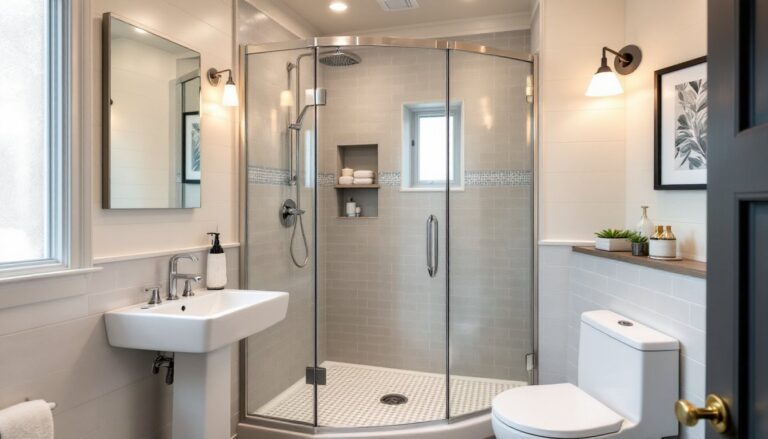
For bathrooms, think compact without feeling cramped. A corner sink, a shower-tub combo, and floating vanity (mounted to wall, not sitting on legs) open up the floor. Tile the entire bathroom in light colors or large-format tiles to fool the eye into perceiving more space.
Lighting is psychology. Recessed lights blend into the ceiling and don’t eat visual space like hanging fixtures. Pale walls reflect light and expand the feeling of volume. Minimize window treatments, sheer curtains or roller shades instead of heavy drapes, to keep sightlines clean.
Storage is your secret weapon. Built-in cabinets under stairs, drawers in bed bases, shelving inside closet doors, and above-door cabinets all vanish into architecture instead of consuming floor area. Before you buy decorative items, ask: where will it live? If the answer is “on the counter,” rethink it.
For real-world examples, Real Simple regularly features small-home organization systems and decluttering strategies that apply directly to tiny house living. Study how others solve the storage puzzle in similar square footage.
Conclusion
Tiny houses in Massachusetts are viable, but they’re not automatic. Success requires upfront zoning legwork, creative design, and honest self-assessment about how you live. Check your town’s code before dreaming too hard, explore alternative living communities if conventional zoning blocks you, and invest in smart design and energy efficiency from the start. In a state where housing costs punish most buyers, tiny houses offer a real escape route, if you’re willing to do the assignments first.