
Table of Contents
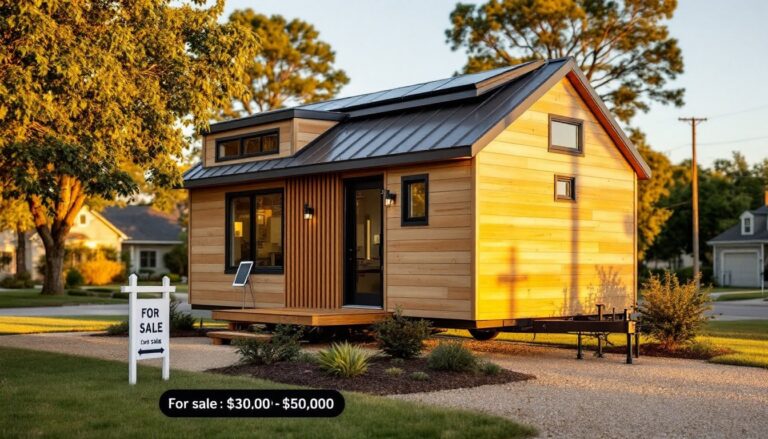
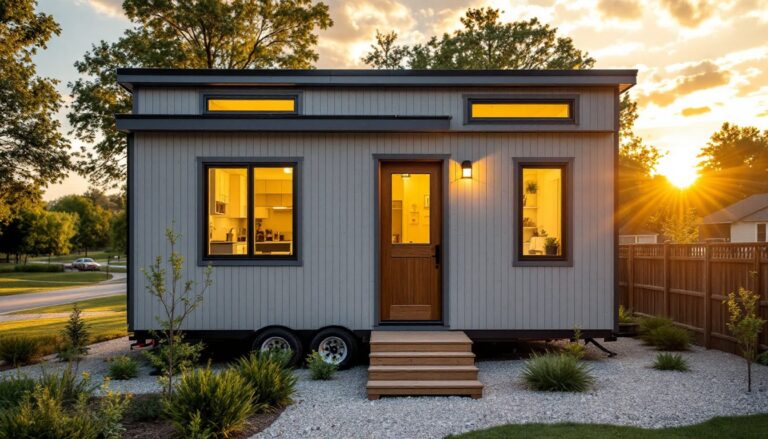
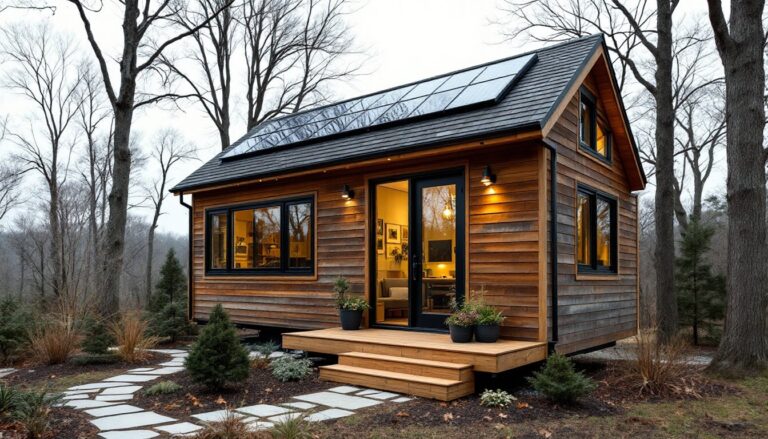
ToggleA 10×20 tiny house gives you the footprint of a modest garage with all the functions of a real home. At 200 square feet, it’s not a closet, it’s a proven platform for sustainable living, affordable housing, and creative problem-solving. Whether you’re building a guest house, a primary residence, or a rental property, this size sits in a sweet spot: large enough to live comfortably, small enough to keep construction and operational costs realistic. This guide walks through layout strategies, building essentials, budgeting, and interior design tips that work specifically for a 10×20 footprint.
Key Takeaways
- A 10×20 tiny house provides approximately 180–190 usable square feet, making it an affordable and sustainable living solution that avoids many zoning restrictions for structures under 200 square feet.
- Successful 10×20 tiny house layouts prioritize open floor plans with strategic zoning, placing kitchens and bathrooms on the same wall to minimize plumbing costs and maximize usable living space.
- Smart storage design—including built-in cabinetry, vertical shelving, and multi-purpose furniture—is essential to prevent clutter and functional failure in 200 square feet.
- A fully finished 10×20 tiny house typically costs $30,000–$60,000, with foundation, framing, utilities, and kitchen/bathroom fixtures as major budget drivers; DIYing non-structural work can save 20–40% on labor.
- Interior design for tiny living requires light colors, layered lighting, mirrors to enhance depth, and intentional decor to avoid visual clutter and maximize perceived spaciousness.
- Proper insulation, vapor barriers, ventilation, and local building permits are non-negotiable to prevent moisture and mold issues in compact spaces and protect your property value.
What Makes a 10×20 Tiny House the Perfect Size
A 10×20 tiny house sits at the practical sweet spot for many people. It’s large enough to accommodate a full kitchen, bathroom, sleeping area, and living space without feeling like you’re navigating a hallway. At 200 square feet, it’s also under the 400–500 square foot threshold where many jurisdictions start requiring different zoning permissions or utility infrastructure.
Scale matters: A 10×20 footprint (nominal exterior dimensions) translates to roughly 180–190 usable square feet after you account for wall thickness and framing. That’s more spacious than most RVs and studio apartments, and significantly cheaper to heat, cool, and maintain than a traditional house.
Many municipalities don’t require a separate foundation or septic system for structures under 200 square feet if they’re built as an accessory dwelling unit (ADU). Check your local building department early, setback requirements, lot coverage limits, and parking rules vary widely. Some jurisdictions allow 10×20 houses on residential lots: others don’t. Knowing this upfront saves months of frustration and wasted design time.
Essential Layout and Design Strategies
Open Floor Plans That Work
The single biggest mistake in tiny house layout is trying to cram traditional separate rooms into 200 square feet. Instead, embrace the open floor plan but use strategic zoning to define areas. A partial wall or a tall bookshelf can separate a sleeping nook from the living area without blocking light or air movement.
Place the kitchen along one long wall (the 20-foot side works best). This keeps plumbing runs shorter and cheaper. The bathroom should be adjacent to the kitchen for the same reason, sharing walls between wet zones cuts material and labor costs. Living and sleeping zones occupy the remaining space.
A typical working layout: kitchen and bathroom on one end (20-foot wall), sleeping loft or bedroom nook in the middle, living and dining in the remainder. This arrangement works for both ground-level designs and loft-style homes. Ceiling height becomes critical in tiny spaces, at least 8 feet in the main living area, ideally 9 or 10 feet if you can manage it. Lofts work well if you have the height, but confirm local ceiling clearance codes (usually 7.5 feet minimum in bedrooms).
Windowplacement affects perceived space dramatically. Multiple small windows on adjacent walls feel more open than one large window on a single wall. Corner placement of windows multiplies the sense of light and spatial depth.
Smart Storage Solutions
Storage failures doom tiny houses faster than almost any other design mistake. You can’t ignore it: you have to design for it from the start. Built-in cabinetry under stairs, above doorways, and along walls maximizes usable volume. Vertical storage, tall cabinets, shelving units, and wall-mounted racks, is your best friend in 200 square feet.
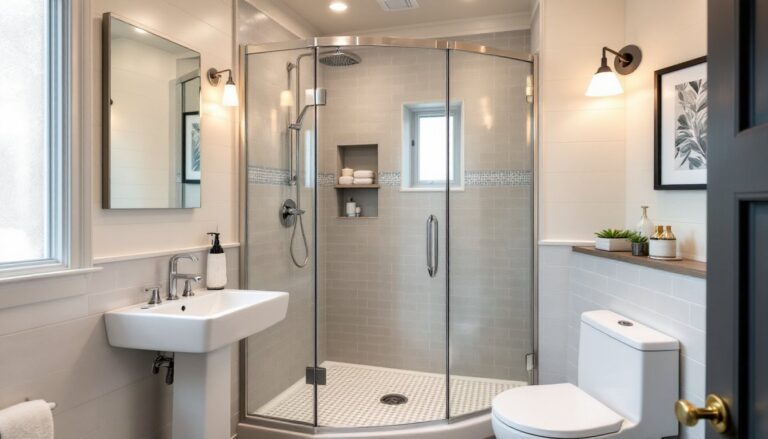
Multi-purpose furniture handles double duty: A kitchen island with storage underneath, a bed frame with drawers, a dining bench with a hinged seat that opens to storage. These aren’t luxury upgrades: they’re functional necessities. Appliances and fixtures also matter: choose a refrigerator 28 inches wide or narrower, a compact stove (24 to 30 inches), and a corner-mount toilet or wall-hung sink to free floor space. Real Simple has excellent guides for small space organization that apply directly to compact kitchens and bathrooms.
Building and Setup Considerations
A 10×20 tiny house can sit on a concrete slab, pier-and-beam foundation, or trailer frame, depending on your jurisdiction, intended permanence, and site conditions. Slab-on-grade is cheapest and simplest if the ground is level and well-drained. Pier and beam allow for storage or utilities underneath and work on sloped terrain. If you’re building a mobile tiny house, a heavy-duty trailer frame (tandem or triple-axle) rated for 12,000+ pounds handles the load safely.
Framing follows standard residential construction: 2×6 exterior walls provide better insulation than 2×4 and aren’t significantly more expensive in a small footprint. A stick-frame roof works fine, but a truss roof (pre-built off-site) saves time and labor. Roof pitch of 6:12 or steeper sheds water reliably and allows attic storage in taller designs.
Utility runs are short and cheap in a 10×20 space, which is a genuine advantage. Water, sewer, and electrical rough-ins might run $500–$1,500 in labor versus thousands in a larger house. If the house will be off-grid or semi-off-grid, plan for a 200-amp electrical service minimum (or 100-amp with careful load management), a 55+ gallon water tank, and a backup propane tank or solar battery system.
Insulation and moisture control matter more in tiny houses because air volume is small and humidity concentrates quickly. Use a vapor barrier (6-mil polyethylene or modern house wraps like Tyvek) behind all exterior walls. Include a soffit-to-ridge ventilation system (eaves and ridge vents) to prevent attic moisture issues. Don’t skip this step, mold in a 200-square-foot space spreads fast and ruins air quality.
Local building codes apply fully, even to tiny houses. You’ll need permits for structural work, electrical, and plumbing in most jurisdictions. Some DIYers can handle framing and interior finishing themselves, but electrical and plumbing usually require licensed contractors or owner-builder permits with inspections. Be honest about your skills and code requirements upfront.
Budget-Friendly Cost Breakdown
A bare-bones 10×20 tiny house (slab foundation, basic framing, roof, and walls only) runs roughly $15,000–$25,000 in materials and labor, depending on your region and whether you DIY key sections. Fully finished with kitchen, bathroom, flooring, and interior finishes, expect $30,000–$60,000 for a functional home. Custom designs, high-end materials, or professional builders push that higher: prefab or kit designs sometimes undercut it.
Major cost drivers:
- Foundation: Slab ($3,000–$8,000), pier and beam ($5,000–$12,000), or trailer ($2,000–$5,000).
- Framing and roof: $8,000–$15,000 depending on labor and material choices.
- Utilities: Electrical, plumbing, HVAC rough-in ($3,000–$7,000): finish work and fixtures add another $4,000–$8,000.
- Interior finishes: Flooring, drywall, paint, trim ($3,000–$8,000).
- Kitchen and bathroom: Fixtures, cabinetry, and appliances ($4,000–$10,000).
DIYing demolition, interior finishing, painting, and some carpentry saves 20–40% on labor. Leave utility work and structural tasks to licensed professionals unless you’re permitted and experienced. Regional material costs, shipping, and labor rates fluctuate significantly, get local quotes before committing to a budget.
Permits and inspections are non-negotiable expenses: typically $500–$2,000 depending on jurisdiction and project scope. Don’t try to avoid them: they protect your property, resale value, and insurance coverage.
Interior Design and Decor Tips for Tiny Living
Interiors in 200 square feet demand intentionality. Light colors (pale walls, light flooring) feel more spacious than dark ones, not a rule, but a practical starting point. Mirrors opposite windows double the sense of light and depth. Multifunctional furniture, ottomans with storage, wall-mounted desks, murphy beds, is essential, not optional.
Vertical lines (tall narrow shelving, floor-to-ceiling storage) draw the eye upward and emphasize height. Horizontal lines feel expansive but risk making a small space feel cluttered if overused. A mix of both works best.
Color doesn’t have to be all white. Warm neutrals (soft gray, warm beige, soft sage) work as well. One accent wall or bold cabinet color adds personality without overwhelming the space. Apartment Therapy features countless small space living ideas and real home tours that show how different people tackle 200-square-foot interiors creatively.
Clutter multiplies visually in tiny spaces, every object on a shelf or counter takes up perceived space. Build-in storage hides things out of sight. Open shelving should display only items you love or use frequently. A small library of books on open shelves looks curated: random kitchen gadgets on open shelves looks cramped.
Lighting layers, ceiling fixture, task lighting (under-cabinet kitchen lights, bedside lamps), and ambient accent lighting, make a small footprint feel intentional and finished. Windows are free light during the day: artificial layers handle evenings and visual depth. Finally, The Kitchn offers practical small kitchen solutions that directly transfer to tiny house cooking spaces, from appliance selection to counter layout strategies.