
Table of Contents
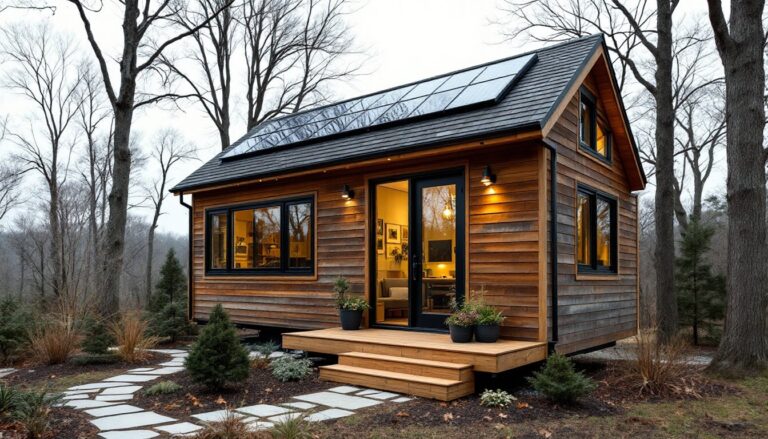
ToggleExpandable tiny houses represent a practical middle ground between traditional downsizing and maintaining flexibility for future growth. Unlike conventional tiny homes fixed at 200–400 square feet, these innovative dwellings use modular walls, sliding sections, or popup components to increase living space when needed. Whether you’re drawn to the sustainability of tiny living or the financial freedom of minimized housing costs, expandable tiny houses offer a compelling answer for homeowners who don’t want to commit to permanent downsizing. This guide breaks down how they work, what they cost, and whether one suits your lifestyle and budget.
Key Takeaways
- Expandable tiny houses use modular walls, slide-out rooms, or rooftop sections to increase living space from 200–400 square feet to nearly double, offering flexibility without permanent downsizing.
- Prefab expandable tiny house models typically cost $80,000–$200,000, while custom builds range from $150,000–$350,000+, with additional expenses for land, permits, and utility hookups.
- Expandable designs require reinforced structural engineering, flexible utility connections, and regular maintenance of mechanical systems like motorized lifts and weatherproofing seals.
- An expandable tiny house is ideal if you have genuine expansion needs (remote work office, guest space, growing family), mechanical confidence, and plan to stay long-term.
- Financing and resale value remain challenging because lenders treat expandable tiny houses as specialty products with uncertain market demand and unclear appraisal standards.
- Research local zoning laws and building codes early: some jurisdictions lack clear regulations for expandable structures, which can complicate or delay permitting.
What Are Expandable Tiny Houses?
An expandable tiny house is a dwellingdesigned to grow or shrink based on the resident’s needs. In their compact state, these homes typically range from 200–400 square feet. When expanded, via fold-out walls, sliding sections, rooftop decks, or removable modules, they can nearly double in usable space.
Unlike traditional tiny homes that lock you into a fixed footprint, expandable designs use structural elements that are engineered to be opened, extended, or deployed without dismantling the core structure. Some use hydraulic systems or motorized actuators: others rely on manual folding mechanisms that require minimal effort. The key distinction is intentional design for adaptability rather than afterthought retrofitting.
These homes bridge the gap between minimalism and practicality. A young couple might live comfortably in the compact mode, then expand when children arrive. Remote workers gain a dedicated office when the extra footage deploys. Retirees downsize without sacrificing guest rooms for visiting grandchildren. The underlying principle is flexibility, paying for only the space you actually use at any given time.
Key Design Features That Make Expansion Possible
Expandable tiny houses rely on several structural and mechanical innovations to function safely and efficiently.
Modular Wall Systems are the most common approach. Exterior walls or interior partitions are constructed with lightweight aluminum frames and insulated panels that fold or slide on reinforced tracks. Think of them like high-end barn doors, but built to structural standards. These are pinned or bolted into place when expanded and locked when retracted, allowing the footprint to transform in minutes to hours depending on complexity.
Rooftop Decks and Popup Sections extend living area vertically. Hydraulic or manual lifts raise a roof section to reveal a lofted sleeping or working space underneath. This approach preserves the home’s towing footprint (important for mobile tiny houses) while adding functional square footage. Insulation and weatherproofing must be engineered into the moving parts, which adds cost but ensures year-round comfort.
Slide-Out Rooms borrowed from RV design offer proven reliability. Motorized mechanisms push an entire room outward from the home’s side, extending the interior footprint. These are factory-built, tested, and generally more durable than custom solutions, though they limit where plumbing and electrical runs can be located.
Foundation and Framing Considerations differ from static builds. Expandable homes need reinforced headers, load-bearing calculations for both compact and expanded states, and flexible utility connections (water, sewer, electrical) that accommodate movement. This is not a DIY retrofit: it requires engineer-stamped designs and proper installation. Building codes vary by jurisdiction, but structural integrity and weatherproofing seals are non-negotiable.
Popular Expandable Models and Layouts
Several manufacturers have pioneered expandable tiny house designs, though the market is still emerging and options vary by region.
The Nomad Expandable uses fold-out wall panels on both sides, increasing floor area from 320 square feet to 520 square feet when fully deployed. The design maintains an 8.5-foot width for road-legal towing on most highways. It’s built on a standard trailer chassis, making it technically mobile, though expansion requires a level surface and utility hookups.
The Expandable by Plant Prefab takes a modular stacking approach, with rooms that nest compactly for transport or site-built scenarios. In its expanded footprint, it offers bedroom, bathroom, kitchen, and living areas with clearer zoning than single-room tiny homes. This model leans toward permanent installation rather than mobility.
Custom Builds and DIY Approaches exist but require serious engineering. Some enthusiasts adapt shipping container designs with hinged roof panels or folding wall sections. The challenge is integrating mechanical systems (HVAC, plumbing) reliably and meeting local building codes. Unless you’re working with an engineer or established builder, this route risks structural problems, failed inspections, and resale complications.
When evaluating models, check whether expansions are motorized (higher cost, lower maintenance) or manual (cheaper, more physical labor). Confirm that utility systems handle both configurations. Ask for third-party inspection reports or engineering certifications, especially if the design is custom or new to market.
Cost Breakdown: What to Budget for an Expandable Tiny House
Expandable tiny house costs vary widely based on design complexity, materials, and whether you’re buying prefab or building custom.
Prefab Expandable Models typically range from $80,000 to $200,000 depending on size, finish quality, and included systems. A mid-range unit with solid insulation, modern fixtures, and motorized expansion mechanisms usually sits around $120,000–$150,000. This includes the structural build, but often excludes land, foundation, or site preparation.
Custom Builds can cost $150,000 to $350,000+, especially if designed by architects or engineered for specific site conditions. Labor, custom materials, and compliance with local codes add up quickly. Expect to budget 30–50% more than a comparable prefab model if your design is non-standard or requires structural engineering stamps.
Additional Costs to Account For include land (varies dramatically by location and market), foundation or pad preparation ($5,000–$20,000 for a trailer-based home: significantly more for permanent foundations), utility hookups ($3,000–$10,000), permits and inspections ($1,000–$5,000 depending on jurisdiction), and interior finishing if buying a shell. Financing options are limited: many lenders treat tiny houses as specialty products, so expect higher interest rates or smaller loan amounts than traditional mortgages.
ROI Considerations depend on your situation. If you’re downsizing to eliminate a mortgage, the cost savings kick in immediately. If you’re building to house a rental unit or accessory dwelling, the income potential matters. Market resale value for expandable tiny homes is still uncertain: they’re not yet a standard category that lenders or appraisers fully understand. Factor this into your long-term financial planning.
Pros and Cons for DIY Enthusiasts and Homeowners
Expandable tiny houses aren’t right for everyone, and honest assessment matters before committing.
Strengths include genuine flexibility. You pay for the footprint you need at any moment, which appeals to anyone whose living situation changes. Maintenance costs stay lower than traditional homes due to reduced square footage and simpler systems. If you’re environmentally conscious, the smaller material footprint, reduced energy usage, and potential for solar integration align with sustainability goals. For income-minded owners, an expandable layout can accommodate both personal living space and a rental unit or office.
Mechanical Complexity is a real drawback. Motorized systems can fail: manual fold-out walls require routine maintenance of hinges, tracks, and seals. Weatherproofing becomes critical around moving parts, gaps or poor seals lead to leaks. Unlike a static home, you need to check and potentially service expansion mechanisms regularly. If you’re not mechanically inclined or located far from service technicians, this adds frustration and cost.
Financing and Resale present challenges. Lenders often classify expandable tiny homes as specialty products, limiting your options and potentially requiring larger down payments (20–30%) or higher interest rates. Resale value is uncertain because the market for expandable tiny houses is still small. You might struggle to find a buyer who understands or wants the expandable features, or you may have to sell below expectations. This is a consideration if you plan to move in 5–10 years.
Zoning and Permit Complexity varies by location. Some jurisdictions don’t have clear regulations for expandable structures, which can delay or complicate permitting. Mobile-based designs may not be allowed in certain areas even if they meet technical standards. Always check local zoning, setback requirements, and foundation rules before purchasing land or committing to a design.
Is an Expandable Tiny House Right for You?
Ask yourself these practical questions before deciding.
Do You Actually Need the Expansion? Honest answer: maybe not. If you’re a remote worker who needs a permanent office, that’s a valid case. If you’re expecting children or frequent guests, expandable space makes sense. If you’re imagining expansion you’ll rarely use, a smaller, simpler (and cheaper) fixed-footprint tiny home might be better. Think about how often you’d actually deploy the expansion in a typical year.
Can You Commit to Maintenance? Expandable systems require periodic inspection and upkeep. Tracks need cleaning, seals need checking, mechanical systems need servicing. If this appeals to you as part of hands-on homeownership, great. If you want a set-it-and-forget-it home, a conventional structure is less demanding.
Does Your Location Support It? Research zoning laws, building codes, and lender attitudes in your area. House hacking strategies and other creative housing approaches sometimes face local resistance: expandable tiny houses might too. Talk to local building departments early, not after purchase.
Is Your Timeline Long Enough? If you’re planning to stay 15+ years, the flexibility and personalization justify the premium cost and complexity. If you’re unsure about your next move, a conventional tiny home or another housing option might reduce risk. Expandable tiny houses reward long-term commitment.
Financial Reality Check If you’re buying an expandable tiny house purely to save money compared to a traditional home, the math depends on your market. House hacking techniques like renting a room or adding an accessory dwelling unit often yield faster financial returns with less mechanical complexity. Expandable tiny houses are best suited to people who value flexibility and sustainability alongside affordability, not as a cost-cutting measure alone.
Conclusion
Expandable tiny houses represent a thoughtful evolution in small-space living, offering genuine flexibility for homeowners who refuse to choose between downsizing and adaptability. They work best for people with clear expansion needs, mechanical confidence, and long-term site stability. The technology is proven, though the market remains niche. Before committing, research local regulations, confirm financing availability, and be realistic about how often you’ll actually use the expandable features. If you’re drawn to the concept, visit existing owners, request engineering documentation, and calculate total costs including land and permits. Expandable tiny houses aren’t a one-size-fits-all answer, but for the right person in the right situation, they’re a genuinely innovative solution to flexible housing.