
Table of Contents
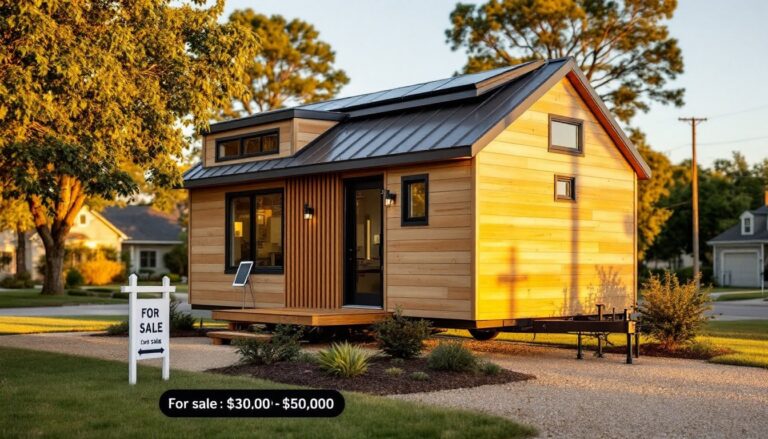
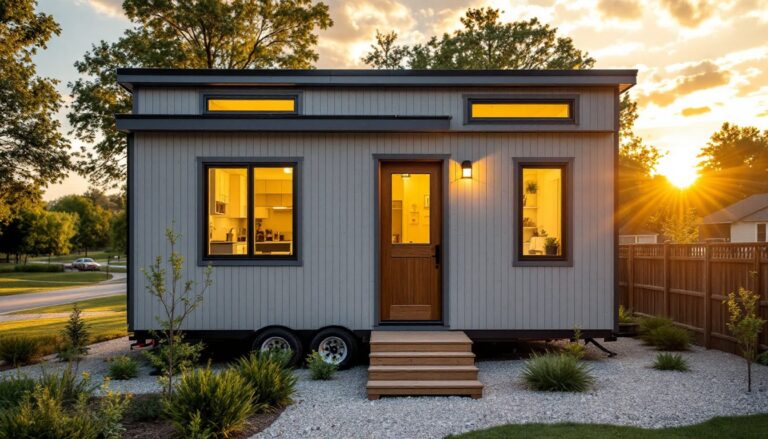
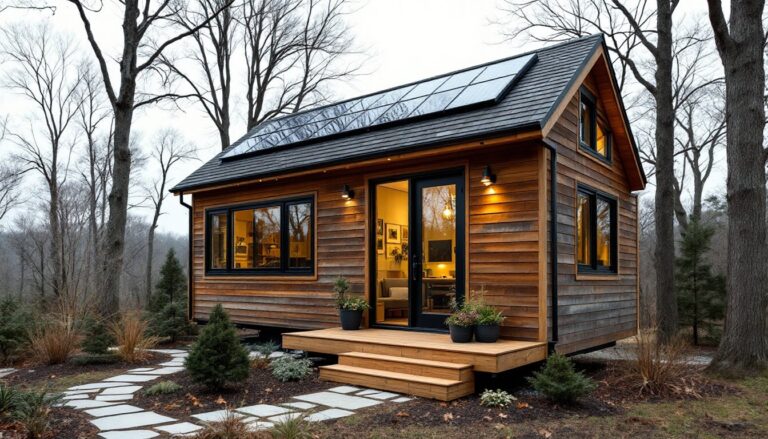
ToggleA 12×12 tiny house floor plan offers 144 square feet of livable space, enough to create a functional, comfortable home without the bloat of a traditional house. Whether you’re downsizing, building a guest cottage, building an accessory dwelling unit (ADU), or testing the tiny house lifestyle, this footprint sits at that sweet spot: large enough to avoid feeling cramped, small enough to keep construction costs manageable and heating/cooling efficient. The key is thoughtful layout and smart use of vertical space. This guide walks you through the principles, configurations, and storage hacks that make a 12×12 floor plan work in real life.
Key Takeaways
- A 12×12 tiny house floor plan provides 144 square feet of functional living space ideal for downsizing, guest cottages, or accessory dwelling units while minimizing construction costs and utility bills.
- Effective 12×12 floor plan design prioritizes sight lines, minimal hallways, ceiling height, and multi-functional rooms to maximize the sense of space and usability.
- Vertical storage, under-floor compartments, and multi-use furniture are essential in a 12×12 layout to prevent clutter and maintain livability.
- Open concept designs work best for singles or couples, while separated rooms with pocket doors suit those working from home or needing privacy without losing flexibility.
- Smart design forces intentional living decisions, often resulting in higher satisfaction as occupants eliminate unnecessary possessions and maintain accountability for their belongings.
What Makes a 12×12 Tiny House Ideal for Minimalist Living
A 12×12 tiny house sits at the practical edge of downsizing. It’s large enough to fit a full kitchen, bathroom, sleeping area, and living zone without constant compromise, but small enough that every square inch earns its keep. At 144 square feet, you’re not living in a converted shipping container or RV: you’re occupying a footprint similar to a hotel room with intentional zoning.
The financial argument is straightforward: less square footage means lower materials costs, reduced property taxes (often), minimal utility bills, and faster construction timelines. A 12×12 footprint works for a primary residence in urban areas with high land costs, a permanent guest cottage on a family property, or an ADU (accessory dwelling unit) that generates rental income in many jurisdictions.
From a lifestyle perspective, tiny houses force honest decision-making about possessions. You can’t accumulate clutter when cabinet space is finite. That constraint, while initially uncomfortable, often leads to people reporting higher satisfaction with their surroundings, they know every item they own and use it intentionally.
The build-ability factor matters too. A 12×12 structure is small enough that a skilled homeowner with help, or a small crew, can manage framing, electrical, and plumbing without the complexity of sprawling layouts. This scale also makes it easier to meet current energy codes and passive design principles without exotic HVAC systems.
Essential Layout Principles for Small Spaces
Before you sketch walls, understand the rules of tiny space layout. These aren’t arbitrary, they come from decades of RV design, hotel efficiency, and small home research.
Sight lines and flow matter. When you can see the entire 12×12 from one vantage point (or nearly), it feels larger. Avoid dead-end hallways or isolated corners. Locate the bathroom or mechanical areas along one wall if possible, freeing the perimeter for living, sleeping, and kitchen zones.
Minimize hallway footage. Every linear foot of hallway is wasted square footage. If you’re separating rooms, consider sliding doors or pocket doors that don’t swing into the space. A 2-3 foot hallway linking sleeping and living areas is reasonable: a 6-foot corridor is a luxury you can’t afford in 144 square feet.
Ceiling height is your friend. If the plan allows, raise ceilings to 9 feet or higher (some tiny house standards use 8.5 feet). Taller ceilings compress the sense of confinement. If you have knee walls (sloped ceilings under a roof), keep sleeping or storage on those lower sides, you don’t need full height where you’re not standing.
Windows and light matter psychologically. Position windows on multiple walls, even if they’re small. Corner windows or a skylight fighting into a single side can make the space feel closed-in. Operable windows provide natural ventilation without relying solely on mechanical systems.
Multi-Functional Room Design
In a 12×12 space, rooms earn double duty. Your living area by day becomes overflow sleeping or work surface by night. Your kitchen island becomes both prep space and dining table.
Murphy beds or platform beds with storage underneath are standard-issue tiny house features. A quality Murphy bed mechanism runs $400–$1,200 installed: a platform bed with drawers under the mattress costs less upfront and doesn’t need the hardware, though it occupies floor space when the bed is down.
Built-in seating with hidden storage (window seats, bench seats with lift-tops) reclaims the footprint of standalone furniture while adding volume. A 4-foot window seat with storage underneath eliminates the need for a dresser and a side table.
Vertical storage and shelving is non-negotiable. Floor-to-ceiling shelving on one wall doesn’t feel cramped if it’s open (not solid), but it doubles your storage compared to standard cabinets. Use the 3-foot zone above door frames for narrow shelves or cabinets.
The kitchen can be a galley (two parallel walls) or an L-shape tucked into a corner. A 7-8 foot galley kitchen fits counter, sink, stove, and fridge without appliances overlapping. Overhead cabinets are mandatory, not optional.
Popular 12×12 Floor Plan Configurations
There’s no single “right” 12×12 layout, it depends on how you’ll use the space. Here are the most workable configurations.
Open Concept vs. Separated Rooms
Open concept (one large room with kitchen on one end, sleeping/living integrated) works well for singles or couples without kids. You gain flexibility and sight lines. The trade-off: cooking smells and sounds reach the sleeping area, and there’s no visual separation for focus work or privacy calls. This layout typically dedicates 50–60 square feet to kitchen (galley style), leaving 85–95 square feet for living/sleeping, plus a compact bathroom (around 40 square feet). Designs like this often have a loft bed over the bathroom to create overhead sleeping while freeing the main floor.
Separated rooms (bedroom alcove or small enclosed bedroom, separate living area) suit those who work from home, need private calls, or want to disguise the home’s size when guests visit. A 10×10 main living area with kitchen, an 8×9 bedroom alcove, and a 5×7 bathroom is one workable split. The closed bedroom door creates psychological separation, even though the square footage is tight. You lose some flexibility (you can’t easily convert the bedroom to extra seating) but gain focus and privacy.
A hybrid layout with a pocket door separating bedroom from living is a middle ground. The door slides into the wall cavity when open (freeing floor space), and closes to create two distinct zones. This requires framing a pocket door frame during the initial wall layout, you can’t retrofit it easily.
Realistic floor plans from Houzz design inspiration and similar platforms show that the 12×12 works best when one zone is sleep, one is live/work, and the kitchen/bath are utility backbones. Avoid layouts that force you to walk through the bedroom to access the kitchen or bathroom.
Storage Solutions That Work in Tiny Spaces
Storage breaks most tiny house dreams. Without it, clutter colonizes every surface, and the space collapses inward.
Vertical storage is law. Pegboards above desks, wall-mounted shelving, tall bookcases, and hanging systems cost little and gain massive square footage of storage. A 6-foot wall shelf (6 feet tall, 8 inches deep) holds as much as a 4-foot-wide, 2-foot-deep dresser, but frees 4+ square feet of floor space.
Under-floor storage via platform beds, bench seats, and low cabinetry turns dead space into inventory. A bed platform with four drawers underneath holds what might otherwise occupy two filing cabinets or a closet.
Closets, cabinets, and compact zones deserve extra detail. A 24-inch-deep closet along one wall (6 feet long) provides real hanging and shelf space without eating much footprint. If you can’t fit a walk-in closet, a rod and shelves in a 2-foot-wide, 6-foot-tall alcove works. Industry standards like those outlined by Fine Homebuilding construction guides confirm that closet depth shouldn’t sacrifice livable width.
Over-door organizers, wall-mounted racks, and hooks cost under $50 combined and add organizational capacity to bathrooms, kitchens, and entryways. Magnetic strips, pegboards, and tension rods multiply tool and gear storage without cabinets.
Multi-use furniture matters. An ottoman that stores blankets, a kitchen island with open shelving below, and nightstands with drawers and open cubbies consolidate function and storage. Avoid furniture with closed, opaque bases, open shelving and legs let you see and access the whole unit.
Small space living, as highlighted by apartment decoration strategies, emphasizes that storage should be visible and accessible, not hidden away where items get forgotten. Clear bins, labeled drawers, and open shelving create accountability for what you own.
Conclusion
A 12×12 tiny house floor plan is livable, buildable, and economically sound when designed with intention. The formula is simple: merge storage into the structure, use multi-functional furniture, minimize wasted hallway space, and trust that smaller square footage forces healthier living habits. Whether you’re building a primary residence, guest cottage, or ADU, this footprint delivers on the tiny house promise without requiring extreme compromise. Start by deciding your priorities, privacy vs. openness, shared or solo use, then sketch a layout that honors those values. You’ll find that 144 square feet is more than enough.