
Table of Contents
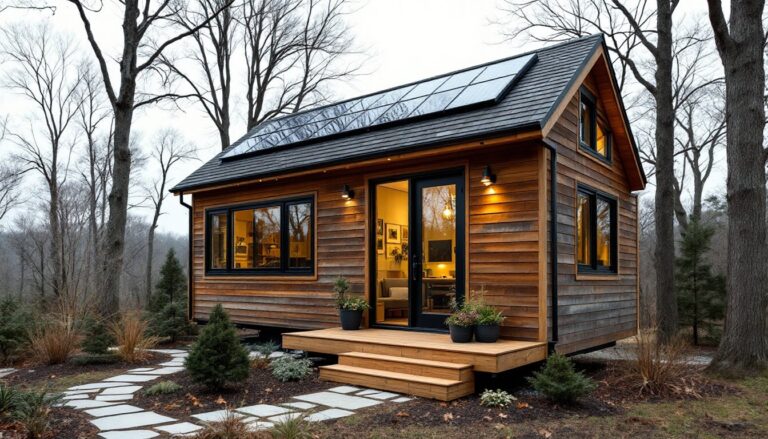
ToggleA one bedroom tiny house offers a fresh approach to affordable living without sacrificing comfort or style. As housing costs climb and more people seek sustainable, low-maintenance lifestyles, the appeal of compact homes grows stronger. Whether you’re a first-time homebuyer, early-career professional, or someone downsizing after the kids move out, a one bedroom tiny house delivers practical advantages, lower utility bills, reduced property taxes, and less space to clean and maintain. The key is designing and building smartly so your small footprint doesn’t feel cramped or limiting. This guide walks through what makes tiny houses tick, which design features maximize livability, and the DIY upgrades that transform a small space into your ideal home.
Key Takeaways
- A one bedroom tiny house typically ranges from 400–600 square feet and costs $150,000–$300,000, making it an affordable alternative to traditional homes while cutting purchase and loan costs in half.
- Open floor plans, vertical storage solutions, and 9-foot ceilings maximize comfort and livability in a one bedroom tiny house without the cramped feeling of poorly designed compact spaces.
- Monthly utility bills drop 50–70% compared to full-size homes, with property taxes and insurance premiums scaling significantly lower, creating tens of thousands in savings over 20 years.
- Strategic DIY upgrades like weatherstripping, attic insulation, tankless water heaters, and crawlspace sealing are manageable projects that require no permits and deliver immediate returns on energy efficiency.
- Strict decluttering and multi-purpose furniture design are essential to prevent accumulation and ensure a one bedroom tiny house remains functional and uncluttered over time.
Why One Bedroom Tiny Houses Are Gaining Popularity
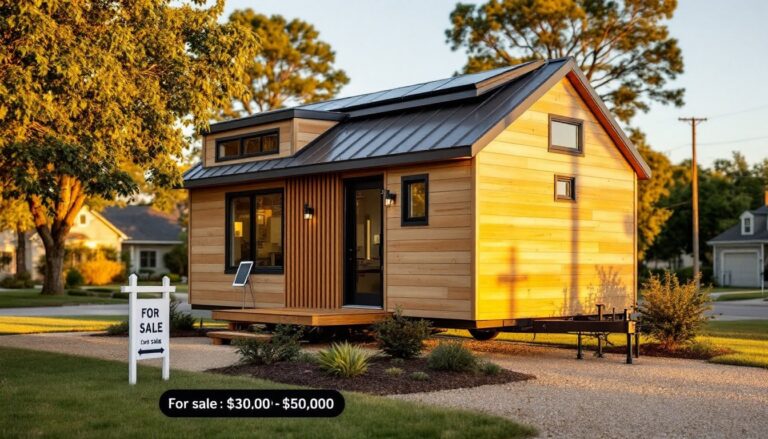
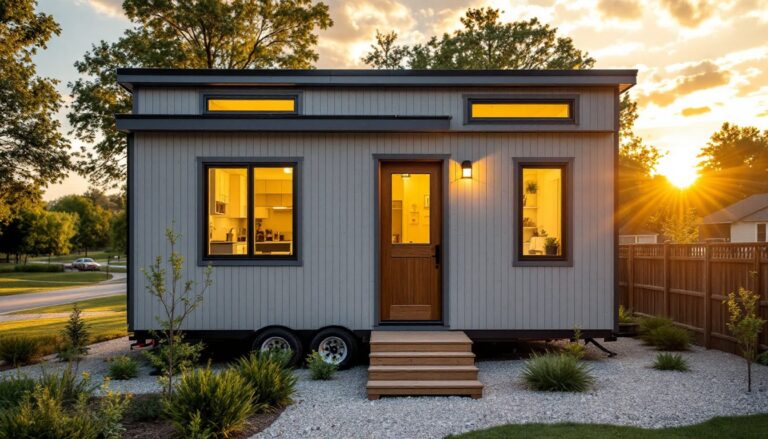
One bedroom tiny houses typically range from 400 to 600 square feet, offering a sweet spot between efficiency and livability. The shift toward tiny living reflects genuine economic pressure: the median home price in the US has doubled in the past decade, making traditional mortgages unaffordable for millions. A one bedroom tiny house reduces that barrier dramatically.
Beyond affordability, owners appreciate the lifestyle shift. Lower energy consumption means heating and cooling costs drop 50–70% compared to a 2,000 square-foot home. Property taxes scale with value and footprint, so a modest tiny house on a modest lot translates to real annual savings. Maintenance becomes manageable too, less roof to repair, fewer windows to caulk, and less siding to repaint.
There’s also an environmental angle. Smaller homes demand fewer raw materials to build and less energy to operate over their lifespan. For people building on family land, a one bedroom tiny house sidesteps lengthy zoning battles and construction loans that plague larger additions. Many jurisdictions now permit accessory dwelling units (ADUs) with fewer restrictions than full-size homes, making tiny houses a practical solution for multigenerational properties or rental income.
Essential Design Features for Maximum Comfort and Functionality
Open Floor Plans and Multi-Purpose Spaces
The most livable tiny houses embrace open floor plans. Removing interior walls between the kitchen, dining, and living areas creates visual spaciousness and improves traffic flow. That said, total openness can feel chaotic if one person cooks while another works from home. Consider partial separation using a low pass-through counter or a sliding barn door that divides zones without blocking light or views.
Design each space to serve dual purposes. A dining table becomes a desk: an ottoman provides seating and storage: a window seat doubles as a guest sleeping nook. Vertical wall space becomes as valuable as floor space, floor-to-ceiling shelving, wall-mounted desks, and hanging racks keep clutter off the ground and make rooms feel larger. Ceilings should be at least 9 feet high in the main living area: anything lower amplifies the cramped feeling, even if square footage is adequate.
Natural light transforms tiny spaces. Larger windows on opposing walls create cross-ventilation and sightlines that read as more spacious. Skylights or a small clerestory window in the bedroom let you see sky without sacrificing privacy. Mirrors strategically placed across from windows bounce light deeper into the interior.
Smart Storage Solutions
Storage makes or breaks tiny house living. Custom cabinetry tailored to your space costs more upfront but delivers far better efficiency than stock units. Interior designers and storage experts at IKEA Hackers often repurpose BILLY bookcases and other modular pieces to create built-in looks for half the cost of true built-ins.
Build deep under-bed drawers for seasonal clothes and bedding. Install pull-out pantry shelves in a narrow kitchen wall, they maximize every cubic inch without requiring a wider footprint. Hang pegboards inside closets and above work surfaces for tools, pots, and frequently used items. Every unused vertical surface is wasted potential.
Decluttering is non-negotiable. Tiny homes demand ruthlessness about what you own. Donate items you haven’t used in a year: sell duplicates. A strict one-in-one-out rule keeps accumulation at bay. Practical organization tips and decluttering guides help establish systems that prevent the creep of unnecessary possessions.
Cost Savings and Financial Benefits
The financial math on a one bedroom tiny house is compelling. Purchase price typically ranges from $150,000 to $300,000 for new construction, roughly half the median US home price. Loan amounts shrink proportionally, cutting your total interest paid over 30 years. Even if you’re paying $20,000 per acre of land, a tiny house footprint (say, 25 by 20 feet) uses far less real estate than a sprawling ranch.
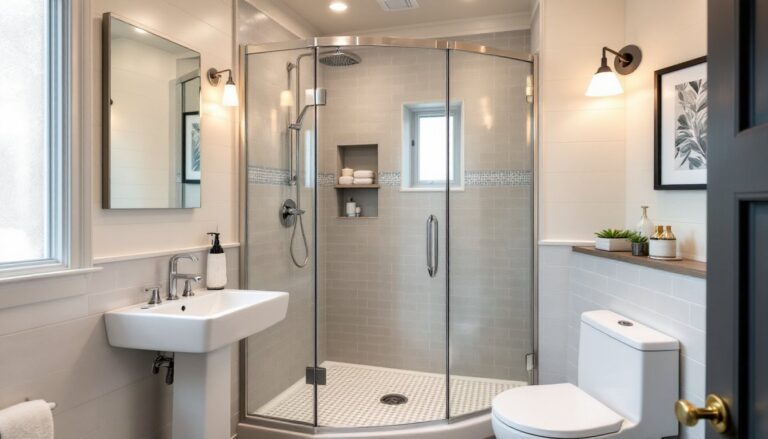
Monthly utility bills drop dramatically. A one bedroom tiny house uses roughly 2,000–3,000 kWh annually, compared to 10,000–14,000 for a full-size home. Winter heating and summer cooling are localized: you’re not conditioning wasted hallways or unused bedrooms. Water heating costs shrink too. A shorter run from the water heater to the shower faucet means less waste waiting for hot water, and a single bathroom reduces overall consumption.
Property taxes and insurance follow similar patterns. If your tiny house has a $150,000 assessed value in a jurisdiction with a 1.2% tax rate, you pay roughly $1,800 annually, a fraction of what a $350,000 home costs. Homeowner’s insurance premiums scale with replacement cost: less house means lower premiums. Over 20 years, these recurring savings compound into tens of thousands of dollars.
There’s also resale potential. Tiny houses attract a growing buyer pool: young professionals, retirees, and climate-conscious families. A well-maintained one bedroom tiny house with thoughtful design and energy upgrades appreciates steadily in markets with housing shortages.
DIY Projects to Maximize Your Tiny Home
Once you own or build a tiny house, DIY upgrades return serious value. Installing weatherstripping and caulk around doors, windows, and electrical outlets cuts air leakage by 20–30%. Use silicone caulk on exterior joints and acrylic latex caulk indoors for easier cleanup. This is no-skill work, a caulk gun and a wet finger to smooth the bead take minutes per opening.
Upgrade insulation in the attic or crawlspace if your house is already built. Rolls of fiberglass insulation run $0.50–$1.50 per square foot: a full attic might cost $300–$600 in materials. Wear a respiratory mask, safety glasses, and gloves, fiberglass irritates skin and lungs. Proper attic ventilation matters too: blocked soffit vents trap heat and moisture, reducing insulation effectiveness and risking ice dams in winter.
Install a tankless water heater if your current system is over 10 years old. Point-of-use electric models cost $150–$300 and mount under the sink: they heat water only when you turn on the tap, eliminating standby losses. Larger whole-house tankless units run $1,500–$3,000 installed but deliver long-term savings through energy efficiency and longevity.
Add insulated window treatments. Cellular shades with side rails trap air and reduce heat transfer: layering them under lightweight linen curtains provides privacy without dark, heavy drapes that shrink visual space. This costs $100–$300 for a one bedroom and returns comfort and lower heating/cooling costs.
Finally, seal your crawlspace or basement. Exposed soil or concrete draws moisture into the structure, fueling mold and rot. Lay a 6-mil polyethylene vapor barrier over the ground and seal it at the walls with reflective tape. Install a dehumidifier (around $200–$400) and a floor drain if you’re in a high-water area. Many tiny houses sit on small concrete slabs, which can trap moisture too: ensuring proper grading and perimeter drainage prevents expensive water intrusion later.
All these projects are manageable for homeowners with basic DIY experience. They don’t require permits, licensed contractors, or specialized equipment, just planning, the right materials, and attention to detail. The payoff is immediate in utility bills and long-term peace of mind.
Conclusion
A one bedroom tiny house isn’t a compromise, it’s a deliberate choice to live smarter. Lower purchase prices, minimal utility costs, and reduced maintenance create genuine financial freedom while supporting a sustainable lifestyle. Smart design, open layouts, vertical storage, and multifunctional spaces, ensures your small footprint feels comfortable and functional. Strategic DIY upgrades amplify efficiency and comfort without requiring professional contractors or very costly. Whether you’re exploring tiny living for the first time or ready to build, a one bedroom tiny house offers a practical, modern answer to modern housing challenges.