
Table of Contents
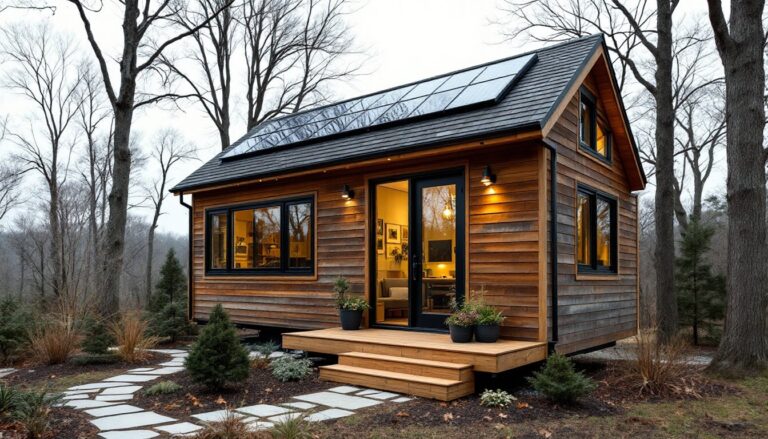
ToggleThe tiny house movement has evolved. While the original concept centered on downsizing to bare-bones efficiency, often under 400 square feet, a new category is taking root: the large tiny house. These dwellings, typically ranging from 600 to 1,000 square feet, blend the intentionality and affordability of tiny living with the breathing room traditional homes offer. They’re not a compromise: they’re a reimagining of what’s actually livable. For homeowners tired of cramped layouts or astronomical mortgage payments, large tiny houses represent a practical third way that doesn’t require sacrificing comfort or modern functionality.
Key Takeaways
- Large tiny houses (600–1,000 sq ft) offer an affordable middle ground between traditional homes and ultra-compact living, typically costing $150,000–$300,000 compared to the U.S. median of over $430,000.
- Monthly expenses and maintenance costs drop significantly with a large tiny house—smaller roofs, utility bills, and repair footprints can reduce energy costs by up to 50% depending on climate and insulation quality.
- Environmental impact is substantially lower since building a large tiny house requires roughly one-third the lumber, concrete, and materials of a traditional 2,400-square-foot home, plus reduced operational emissions.
- Smart design strategies like open floor plans, vertical storage, multi-functional furniture, and efficient kitchen layouts transform 700–800 square feet into comfortable, clutter-free living spaces.
- Large tiny houses encourage intentional living by eliminating wasted hallway space and oversized rooms, making it easier for owners to make deliberate choices about consumption and space usage.
What Is A Large Tiny House?
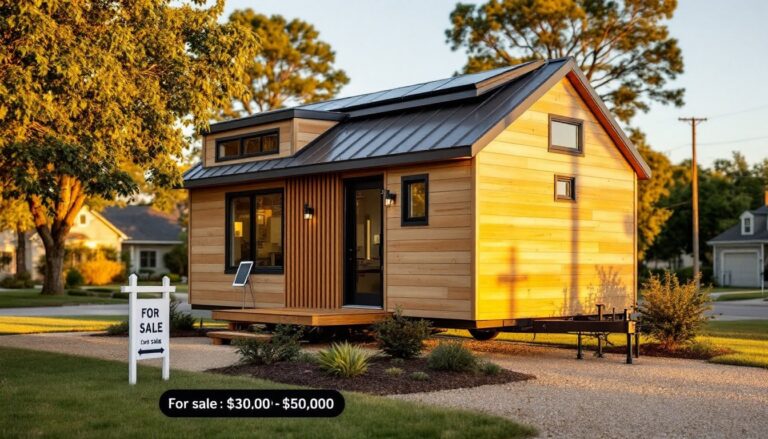
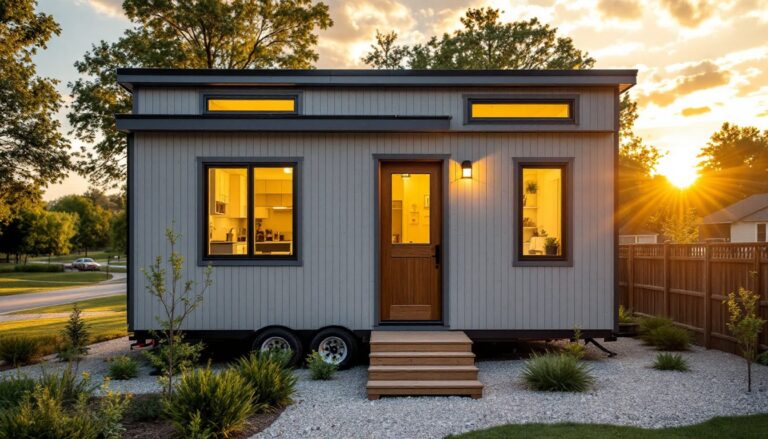
A large tiny house sits in the sweet spot between traditional and ultra-compact living. Most definitions place them between 600 and 1,000 square feet, larger than a true tiny house (typically under 400 sq ft) but significantly smaller than the U.S. median new home size of roughly 2,500 square feet. Unlike their smaller cousins, large tiny houses often include a full kitchen, a dedicated home office nook, and sometimes even a proper second bedroom or flex space.
The appeal lies in purpose-driven design. Every wall, storage solution, and material choice serves a function rather than existing for aesthetics alone. You won’t find wasted hallway space or oversized formal dining rooms that sit empty most days. Instead, kitchens are efficiently laid out with quality appliances, bedrooms are right-sized to reduce heating and cooling demands, and living areas flow together rather than sprawl. Many large tiny houses sit on permanent foundations, unlike mobile tiny homes, which means they can incorporate standard building systems and don’t face the same road-transport weight restrictions.
They’re built in diverse styles, from modern shipping-container conversions to traditional cottage designs, and can be owner-built, professionally constructed, or prefabricated. Some sit on single-family lots in suburban neighborhoods: others are integrated into intentional communities or rural properties where zoning rules are more flexible.
Key Benefits of Choosing a Large Tiny Home
Affordability and Lower Maintenance Costs
The financial reality is hard to ignore. A large tiny house typically costs between $150,000 and $300,000 to build or purchase, depending on finishes and location, a fraction of the median U.S. home price over $430,000. Monthly expenses shrink proportionally: smaller square footage means lower utilities, reduced property taxes, and less insurance.
Maintenance becomes manageable, not a second job. A 700-square-foot roof needs far less upkeep than a 2,500-square-foot one. Painting the exterior, cleaning gutters, and replacing HVAC filters happen less frequently simply because there’s less surface area. Interior repairs cost less too, fewer walls to drywall, smaller bathroom and kitchen footprints, less flooring to refinish. Over a 30-year ownership span, these savings compound significantly.
Owners also report lower utility bills year-round. A well-insulated, right-sized home heats and cools faster, and homeowners naturally consume less because unnecessary square footage isn’t sitting idle. Some inhabitants report heating or cooling costs 50% lower than in traditional homes, though actual savings depend on climate, insulation quality, and individual habits.
Environmental Impact and Sustainability
The environmental case for large tiny houses is straightforward: less material input, lower operational emissions. Building a 800-square-foot home requires roughly one-third the lumber, concrete, and drywall of a 2,400-square-foot home. That’s less extraction, less processing, and less transportation waste.
Operationally, smaller homes mean smaller carbon footprints. Heating, cooling, and powering fewer square feet translates to lower energy consumption and reduced utility-related emissions. Many large tiny house owners pair their smaller footprint with efficiency upgrades, high-performance windows, proper insulation (typically R-19 to R-30 in walls, depending on climate), and EnergyStar appliances, that amplify the savings.
Water usage drops too. Fewer bathrooms and less overall square footage mean less water for cleaning, fewer fixtures, and lower municipal demand. Greywater systems and rainwater collection integrate more easily into smaller designs as well. Inhabitants often find it easier to live intentionally when their home’s scale encourages conscious consumption. Strategies like house hacking techniques can further extend the economic and environmental benefits of downsizing.
Smart Design Strategies for Large Tiny Houses
The difference between a cramped 700-square-foot home and a comfortable one hinges on design choices. Successful large tiny houses use proven layout strategies to maximize usable space without feeling cluttered.
Open floor plans dominate for good reason. Removing non-load-bearing walls between the kitchen, dining, and living areas makes the home feel larger and improves natural light flow. If you’re renovating an existing small home, consult a structural engineer before removing any wall, you may need a beam or other support to carry the load of what was above.
Vertical storage is non-negotiable. Wall-mounted shelving, tall cabinets that reach the ceiling, and built-in cubbies pull visual interest upward and reduce clutter at eye level. The goal is to use every inch: wasted wall space is a luxury small homes can’t afford. Many owners install floor-to-ceiling pantries, medicine cabinets with mirrored fronts, and closet systems that organize items in layers rather than a single row.
Multi-functional furniture and spaces earn their place. An island or peninsula serves as cooking prep, dining table, and storage in one. A bedroom nook becomes a guest room and home office by day. A banquette with hidden storage below seating doubles as dining and storage. Think furniture as built-in when possible, a wall bed with desk underneath, a staircase with drawers integrated into each step. Sources like Real Simple and The Kitchn regularly share practical organization ideas that work well in constrained square footage.
Natural light and color choices matter psychologically. Large windows (even if the exterior wall space limits their size) reduce the “bunker” feeling. Light, neutral wall colors, soft whites, warm grays, pale pastels, reflect light and visually expand the space. A single accent wall or bold trim color adds personality without overwhelming. Apartment Therapy showcases countless small-space examples that prove thoughtful design beats square footage.
Efficient kitchen layouts are critical since kitchens in 800-square-foot homes can’t afford wasted motion. The classic work triangle, positioning the stove, sink, and refrigerator to minimize steps, remains the gold standard. Choose compact, high-function appliances: a 24-inch refrigerator with deep shelves, an induction cooktop instead of a full-size range if your household size allows it, and open shelving or glass-front cabinets to avoid the visual weight of solid cabinetry.
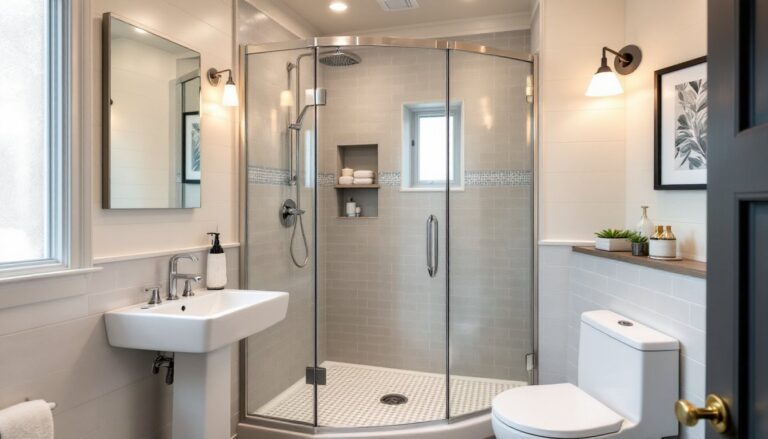
Bathroom efficiency follows similar principles. A single full bath and a powder room (toilet and sink only) serve most households better than one sprawling bathroom. Wall-mounted vanities create the illusion of floor space, while a corner shower (rather than a separate tub and shower) conserves square footage without sacrificing function.
HVAC and utility placement should be thought through during design. Centrally locating the water heater and HVAC equipment minimizes ductwork and pipe runs, which saves money and improves efficiency. Adequate insulation, at least R-15 in ceilings, R-13 in walls, and R-10 in floors, keeps utility costs low and living conditions comfortable year-round.
Outdoor spaces extend living area. Even a 100-square-foot deck, patio, or porch psychologically expands the home’s footprint and provides space for entertaining or quiet retreat. In many climates, a covered porch or awning adds usable square footage during shoulder seasons with minimal construction cost.
Conclusion
Large tiny houses aren’t a trend, they’re a practical response to rising housing costs, environmental concerns, and a growing desire for intentional living. By pairing thoughtful design with realistic affordability, they prove that comfort and sustainability don’t require sprawling square footage. If you’re exploring smaller-footprint living, the large tiny house model offers a tangible path forward: enough space to live fully, low enough costs to breathe financially, and a design foundation that encourages making deliberate choices about how you inhabit your home.