
Table of Contents
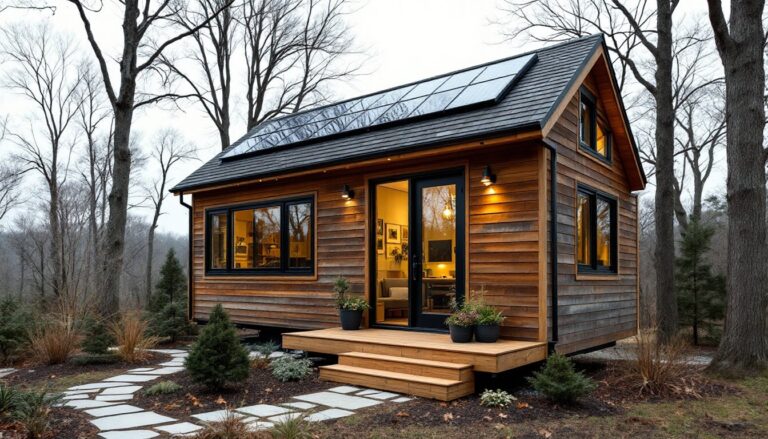
ToggleLiving in a 300 square foot tiny house isn’t about sacrifice, it’s about intention. Whether you’re downsizing to reduce expenses, simplify your life, or embrace sustainable living, a 300 sq ft tiny house demands smart planning and thoughtful design. The key isn’t fitting everything into less space: it’s keeping only what matters and arranging it so the space breathes. This guide walks through practical layout strategies, storage hacks, design tricks, and furniture choices that let a tiny footprint feel open and livable. By the end, you’ll understand how to make 300 square feet work hard for your lifestyle.
Key Takeaways
- A 300 sq ft tiny house works best when every zone—sleeping, living, kitchen, and bathroom—serves double or triple duty with intentional open-plan design and clear functional boundaries.
- Vertical storage, built-in cabinets, wall-mounted organizers, and multipurpose furniture are essential to avoid clutter and maximize usable space in a 300 square foot layout.
- Light colors, natural windows, mirrors, and transparent furniture create the illusion of openness and make a 300 sq ft home feel significantly larger than it actually is.
- Building or renovating a tiny house costs $30,000–$60,000 on average, so prioritize investments in the kitchen, bathroom, flooring, and insulation rather than trendy finishes.
- A 300 sq ft tiny house lifestyle works best for single occupants or couples without children who are honest about their work-from-home needs, cooking habits, and hobbies before downsizing.
Understanding The 300 Sq Ft Tiny House Layout
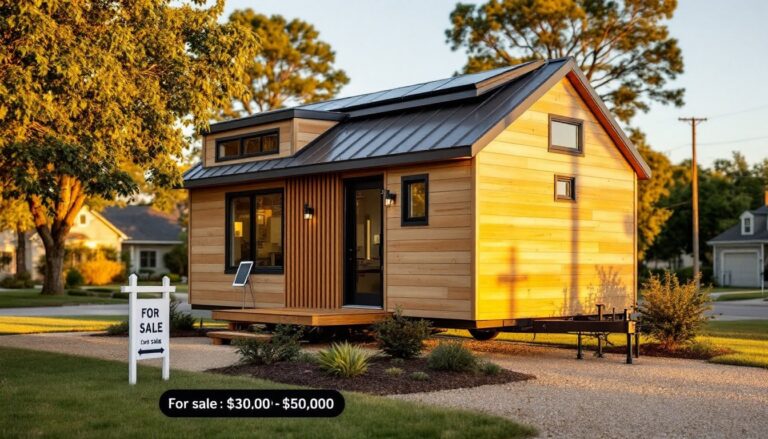
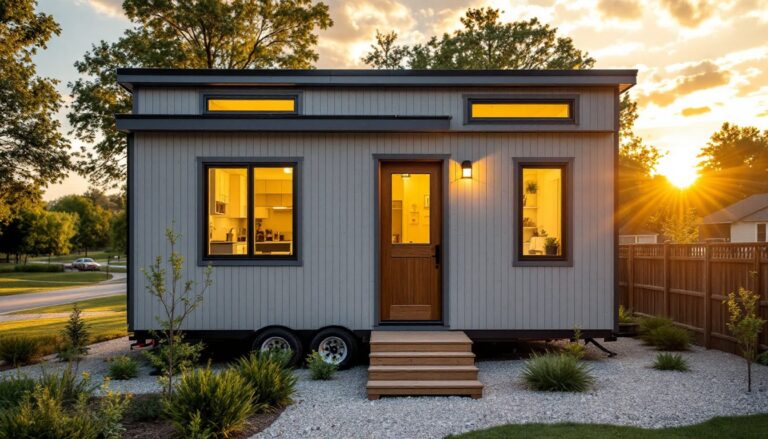
A 300 square foot floor plan is typically a studio or one-bedroom efficiency. Common layouts include a single open living/kitchen area with a separate bedroom and bathroom, or one large multipurpose room with an ensuite bath. The real estate inside these four walls is precious, so every zone serves double or triple duty.
Most 300 sq ft homes sit between 15 and 20 feet wide and 15 to 20 feet deep. Ceilings are often 8 feet, though some tiny houses or shipping container conversions go taller or use vaulted roofs to feel more spacious. Lofted bedrooms are common in sub-300 sq ft spaces but eat into the visual openness of the main floor.
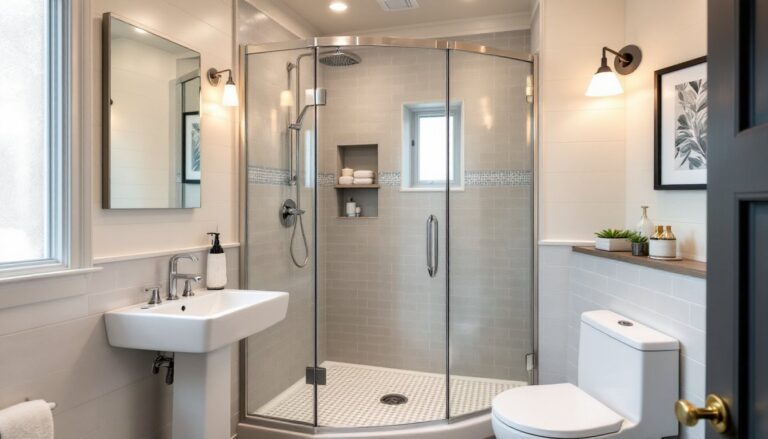
Before you layout your furniture or start renovations, measure twice. Nominal lumber sizes, standard door widths (32 to 36 inches), and hallway codes (typically 36 inches minimum for main paths) all matter when arranging a tight floor plan. In most jurisdictions, habitable rooms need a minimum of 70 square feet and at least one window for natural light and egress. A bathroom typically claims 35-50 square feet, leaving you 250 square feet for living, sleeping, kitchen, and hallways.
Think of your layout as zones, not separate rooms. A 300 sq ft space might have a sleeping zone (could be a lofted bed or a bedroom alcove), a living zone, a kitchen zone, and a wet zone (bathroom, laundry, or both). Open-plan designs maximize visual flow, but define these zones with area rugs, level changes, or partial walls so each zone feels intentional.
Smart Storage Solutions for Maximum Space Efficiency
Storage is the difference between a cluttered tiny house and a livable one. In a 300 sq ft space, every inch of wall and under-bed real estate counts. Vertical storage, tall shelving, wall-mounted cabinets, and pegboards, pulls storage off the floor and draws the eye upward, making rooms feel taller.
Built-in storage is ideal because it doesn’t steal visual space like freestanding furniture does. Undersized beds with deep drawers (sometimes called platform beds with storage) can hide seasonal clothes, bedding, or tools underneath. Custom closet organizers with slim shelving, hanging rods, and pull-out baskets maximize what’s already in your walls. Baseboards can be hollowed out as toe-kick storage for flat items. Kitchen cabinets can go nearly to the ceiling, a rolling ladder on a rail makes high shelves accessible.
Don’t overlook the vertical space behind doors. Over-the-door racks, hooks, and hanging organizers work in bedrooms, bathrooms, and pantries. Corners collect wasted space: a tall corner shelf unit, a Lazy Susan cabinet, or a corner sink maximizes that dead zone.
Measure your storage gaps and your keepsakes before buying anything. If you have 200 books and 500 square feet to work with, some books need to go or you stack them horizontally on shelves. The same logic applies to kitchen tools, clothes, and hobby gear. Some tiny house dwellers keep a climate-controlled storage unit offsite for seasonal items like holiday decorations, but that works only if you commit to rotating things in and out quarterly.
Consider IKEA’s modular storage hacks for affordable, customizable solutions that fit tight footprints without breaking the budget.
Design Strategies That Make Small Spaces Feel Bigger
A 300 sq ft space can feel cramped or open depending on color, light, and visual flow. Light, neutral walls (white, soft gray, warm beige) bounce light and create an airy backdrop. A single accent wall or bold color is fine, but dark paint in a tiny space eats light and makes walls feel closer.
Natural light is your best friend. Large windows, skylights, or glass doors blur the boundary between inside and out. If you’re renting or can’t add windows, sheer curtains let light in while providing privacy. Mirrors opposite windows amplify daylight and create depth, a full-length mirror in a hallway or a collection of small mirrors on a kitchen wall multiplies perceived space.
Multipurpose furniture compounds the sense of openness. A dining table that folds down from the wall, a bed with a desk built underneath, a storage ottoman that serves as a coffee table, these pieces do two jobs and take up half the footprint of separate items. Glass-top tables and transparent chairs (like modern acrylic or polycarbonate styles) don’t block sightlines the way solid furniture does.
Low-profile furnishings also help. A platform bed without a frame visible beneath it, a couch without thick legs, and low shelving all contribute to a sense of floor space. If you’re planning a renovation, consider open-concept layouts, removing or replacing doors with sliding or bifold alternatives, and using the same flooring throughout to eliminate visual breaks.
According to apartment-focused design ideas, keeping clutter at eye level makes the biggest difference. Storage and organization feel like décor when done well, so invest time in systems that contain chaos.
Practical Furniture Choices for Tiny House Living
Furniture in a 300 sq ft home must earn its space. Oversized sectionals, bulky dressers, and console tables with deep bases are luxuries you can’t afford. Instead, look for slim-profile pieces designed for apartments or small homes.
A compact sofa or loveseat, ideally 72 inches or less, fits a living zone without dominating it. Pair it with a small side table or nesting tables that tuck away when not in use. A slim media console (18 inches deep instead of 24) holds your TV and a few items without projecting far into the room.
For the bedroom, a twin or full mattress on a platform frame keeps the floor clear. A low-profile dresser or a wardrobe armoire replaces a traditional dresser if closet space is tight. Wall-mounted floating desks work if you need a workspace: they’re usually 15-20 inches deep and collapse into the wall when folded.
Kitchen tables in 300 sq ft homes should seat 2-4 and ideally fold, extend, or have drop leaves. A small 36-inch-diameter round table is more efficient than a rectangular one because it doesn’t block traffic flow. Wall-mounted drop-leaf tables save serious space and aren’t visible when down.
Measure doorways and hallways before ordering furniture. A 36-inch sofa that won’t fit through a 32-inch bedroom door is a costly mistake. Disassemble and reassemble furniture if needed, it’s worth the time. Avoid furniture with ornate legs or frames that collect dust: sleek, simple lines are easier to clean and feel less cluttered.
Budget-Friendly Tips for Building or Renovating a 300 Sq Ft Home
Building or heavily renovating a 300 sq ft space costs $30,000 to $60,000 on average for basic finish, depending on your region, materials, and whether you DIY labor. Renovating an existing 300 sq ft apartment or home for livability (plumbing fixes, electrical updates, fresh paint, new fixtures) might run $5,000 to $25,000.
Focus money where it matters: the kitchen, bathroom, flooring, and insulation. A cracked foundation or failing roof isn’t cosmetic, fix that first. Cheap cabinets, faucets, and appliances in a tiny kitchen get used constantly, so durability pays off. A half-bath upgrade (new vanity, updated tile, modern fixtures) transforms the whole space and costs far less than a kitchen redo.
Skip trends that don’t last. Reclaimed wood accents, industrial shelving, and shiplap date fast. Neutral finishes are boring but timeless, white subway tile in the bathroom, simple shaker cabinets in the kitchen, plain drywall walls. You can refresh with paint, textiles, and décor without major work later.
Buy secondhand furniture and fixtures when you can. Estate sales, Craigslist, and Facebook Marketplace have solid pieces for a fraction of retail. A wooden dresser from a thrift store, refinished and stained, costs $50-100 instead of $300 new. Reclaimed or gently used appliances (if covered by warranty) save thousands.
If you’re building from scratch, prefab or shipping container tiny houses are faster and sometimes cheaper than stick-frame construction if labor costs are high in your area. Practical decluttering strategies also help you right-size your furnishings before buying, saving both money and space.
Making a 300 Sq Ft Tiny House Work for Your Lifestyle
A 300 sq ft home works if your lifestyle aligns with small-space living. Single people or couples without kids adapt more easily than families. Remote workers need a dedicated desk area, even if it’s a fold-down wall-mounted table. People who entertain frequently will feel the limits of a tiny kitchen or living room, outdoor space becomes essential.
Honest questions before committing: Do you work from home? (Yes = you need privacy/a closed office nook.) Do you cook elaborate meals? (Yes = you need counter and storage space.) Do you have hobbies requiring equipment? (Woodworking, art, music = bring storage planning and possibly shop space into the equation.) Do you have kids or pets? (Major impact on layout and durability.)
Climate matters, too. In cold regions, a 300 sq ft space means lower heating bills but also means you can’t escape each other in winter if you’re with a partner. In warm regions with outdoor living seasons, a patio or deck effectively expands your usable space.
Before downsizing into a 300 sq ft place, spend a week in one or rent a vacation rental of similar size. You’ll quickly learn what storage you actually need, how tight the kitchen feels, and whether the layout works for your routines. Many tiny house dwellers say the adjustment is mental: letting go of excess stuff and normalizing a closer relationship with your space. That shift takes intention, but it often leads to lower costs, less cleaning, and fewer decisions about what to own.
Conclusion
A 300 square foot tiny house is entirely livable with smart planning and honest assessment of your needs. Focus on layout that zones activities, storage that goes vertical, design choices that maximize light, and furniture that earns its footprint. Build or renovate thoughtfully, invest where it matters and skip fleeting trends. Most importantly, make sure the space aligns with how you actually live. When it does, 300 square feet feels spacious.