
Table of Contents
ToggleYour home’s exterior takes a beating. Dirt, mold, and algae accumulate on siding, gutters, and deck surfaces faster than you’d expect. But blast them away with a standard pressure washer, and you could strip paint, dent metal, crack stucco, or gouge wood, damages that cost thousands to repair. This is where low pressure house washing comes in. Unlike aggressive pressure cleaning, low pressure washing uses gentler flow and lower PSI (pounds per square inch) to clean thoroughly without harming surfaces. If you’re searching for “low pressure house washing near me,” you’re already thinking smart about protecting your home’s investment. This guide walks you through what low pressure washing is, how to find qualified local services, what it’ll cost, and whether it’s worth calling in the professionals.
Key Takeaways
- Low pressure house washing uses under 1,500 PSI with specialized nozzles and biodegradable detergents to clean home exteriors safely, protecting vulnerable materials like wood, stucco, and painted surfaces from damage that high-pressure washing can cause.
- Professional low pressure washing prevents three major damage types—paint stripping, surface gouging, and water infiltration—that can cost $2,000–$5,000 or more to repair.
- When searching for low pressure house washing near me, verify that contractors carry liability insurance, provide specific details about their PSI and cleaning solutions, and offer references for homes with similar siding materials.
- Professional low pressure cleaning costs $400–$800 for whole-house washing on a 2,500–3,000 sq ft home, typically 20–40% more than standard pressure washing due to specialized labor, equipment, and chemistry.
- DIY low pressure washing carries significant risk of damage unless you use true low-pressure nozzles and maintain proper technique, making professional services safer and often more cost-effective when factoring in equipment rental and materials.
- After service, avoid power-washing for at least 6 months and monitor for quick mold return, which signals underlying moisture issues that require drainage or ventilation improvements beyond cleaning alone.
What Is Low Pressure House Washing and Why It Matters
Low pressure house washing is a cleaning method that uses lower water pressure, typically under 1,500 PSI, and specialized nozzles or soft washing techniques to clean exterior surfaces safely. Standard pressure washers run at 3,000–4,000 PSI or higher, which is why they can wreak havoc on vulnerable materials.
The key difference? Low pressure washing emphasizes water flow rate and cleaning solution chemistry over raw pressure. Technicians apply biodegradable detergents designed to break down organic growth (mold, mildew, algae) and dirt, then rinse gently. This approach takes slightly longer and may require multiple applications, but it’s reversible damage, if something goes wrong, it’s typically surface-level, not structural.
Why does this matter? According to recent data on pressure washing costs and risks, homeowners frequently request low pressure services specifically to avoid costly repairs. Cedar shake roofing, composite siding, stucco, painted surfaces, and delicate trim all demand gentler treatment. Even standard vinyl siding can be damaged by standard pressure washers if the nozzle is held too close or at the wrong angle.
How Low Pressure Washing Protects Your Home’s Exterior
Low pressure washing protects your home by preventing three main damage types: paint stripping, surface gouging, and water infiltration. When high pressure blasts paint directly, it doesn’t just remove dirt, it removes the protective coating. Underneath, unprotected wood or metal oxidizes faster, shortening the lifespan of your siding by years.
Surface gouging is less obvious but equally damaging. Stucco, vinyl, and soft metals can be permanently scarred or dented by a concentrated high-pressure stream. These gouges become entry points for moisture and pests. Low pressure techniques eliminate this risk entirely.
Water infiltration is the silent killer. High-pressure rinses can force water into seams, behind trim, and through gaps in siding. This moisture sits inside walls, encouraging rot, mold, and structural damage that may not become visible for months or years. Low pressure’s gentler flow rinses away dirt without forcing water where it doesn’t belong. For vulnerable surfaces like old wood siding, composite decking, or painted masonry, this distinction is critical.
Finding Reliable Low Pressure Washing Services in Your Area
Start your search locally. “Low pressure house washing near me” will pull up results, but not all are created equal. Check Google reviews, Yelp, and local business listings for companies that explicitly advertise soft washing or low pressure services. Many pressure-washing outfits offer both high and low pressure options: the ones that emphasize low pressure understand material risks.
Look for certifications or affiliations with professional organizations like the Pressure Washing Association or similar regional groups. A legitimate company will carry liability insurance and bonding, essential if something goes wrong. Don’t hesitate to ask for proof.
Turn to trusted platforms like HomeAdvisor to compare local contractors, read verified customer reviews, and get price estimates from multiple providers. This gives you a baseline and helps identify companies offering genuinely competitive rates versus those overcharging for the same service.
Key Questions to Ask Before Hiring a Local Service
Ask every prospective service these questions:
-
What PSI and equipment do you use? A reliable answer includes specifics: “We use 500–1,500 PSI with low-volume pumps and soft washing nozzles for siding.” Vague answers like “whatever the job needs” are red flags.
-
What cleaning solutions do you use, and are they safe for landscaping? They should name their products and confirm they’re biodegradable. If they’re evasive, move on.
-
Do you carry liability insurance and worker’s comp? Non-negotiable. If they can’t produce proof, don’t hire them.
-
Can you provide references for homes with similar siding to mine? Specific references for your material type (vinyl, stucco, wood, etc.) show they have real experience.
-
Will you inspect my roof, gutters, and siding before quoting? Good companies walk your home, identify delicate areas, and adjust their approach accordingly. Companies that quote over the phone without visiting are guessing.
-
What’s your guarantee if something is damaged? A reputable service will stand behind their work and explain their damage waiver upfront.
The Cost and Value of Professional Low Pressure Cleaning
Cost varies widely by region, home size, and surface condition. According to recent 2026 data, professional pressure washing costs typically range from $300 to $600 for a standard two-story home, but soft washing (the gentler low pressure approach) often runs 20–40% higher because it requires more labor, specialized equipment, and chemistry.
For a 2,500–3,000 sq ft home, expect $400–$800 for low pressure whole-house washing. Specific add-ons, roof cleaning, deck restoration, gutter cleaning, each add $100–$300. Pricing also reflects whether your home has heavy organic growth (mold-prone climate), light surface dirt, or stubborn stains requiring extra treatment cycles.
Is the cost justified? Yes, if you factor in what you’d spend repainting stripped siding, repairing water damage, or replacing damaged trim. A single high-pressure mistake can cost $2,000–$5,000 in repairs. Low pressure cleaning is insurance against catastrophic mistakes. Professional services also bring industrial-grade equipment and chemistry you can’t rent or buy consumer-grade, plus they handle water runoff responsibly and dispose of cleaning solutions safely.
DIY Low Pressure Washing vs. Professional Services
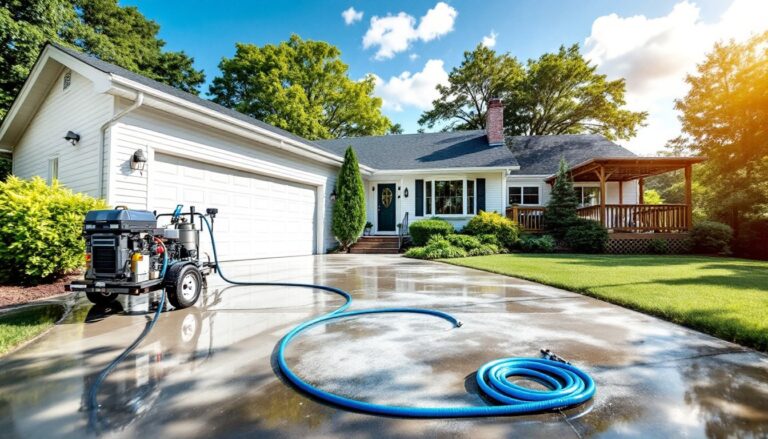
You can rent consumer-grade pressure washers and attempt the job yourself, but this is where caution matters most. Consumer machines typically max out at 2,000–3,000 PSI, which is still high enough to damage vinyl siding, stucco, or painted surfaces if you’re not experienced. Many DIYers start with good intentions and end up gouging siding or stripping paint before they realize the machine’s power.
If you go the DIY route, invest in a true low pressure nozzle (usually yellow-coded at 15 degrees) and keep the wand at least 24 inches away from surfaces. Start on test areas like your driveway before moving to the house. Rent from a reputable equipment company and ask staff to demonstrate proper technique.
But, low pressure soft washing with cleaning solutions requires chemistry knowledge. Mixing wrong concentrations, using non-biodegradable soaps, or applying solutions in direct sunlight can damage plants, stain surfaces, or leave residue. Professional companies formulate solutions for specific situations, mold on a north-facing wall differs from algae on a south-facing roof.
The honest truth? Professional low pressure washing is safer, faster, and often cheaper when you factor in equipment rental, product costs, and your time. If your home has delicate siding, old trim, or a sloped roof, hire a professional. For a flat concrete driveway with heavy buildup, DIY is reasonable if you’re methodical and cautious.
What to Expect During and After Your Service
On service day, a good crew arrives with a detailed plan. They’ll survey your home, identify delicate areas, protect landscaping with plastic sheeting or tarps, and shut off outdoor outlets and light fixtures. They should explain what they’re doing and answer questions before starting. Expect the job to take 3–6 hours for a full house, depending on size and condition.
The crew applies cleaning solution, allows it to dwell (usually 10–30 minutes), then rinses with low-pressure spray. You’ll hear the equipment running, see cleaning solution runoff (contained), and notice immediate improvement as dirt and organic growth wash away. Reputable companies use a two-stage rinse, first to remove solution, second with fresh water to eliminate residue.
After the service, surfaces won’t look factory-new if they’re weathered, but they’ll look refreshed and clean. Minor staining from rust or tannins may remain: these aren’t failures, they’re a sign the company didn’t over-pressure the surface. Your technician should walk you through what was treated, point out any areas needing follow-up care, and provide a maintenance plan.
Check the work before final payment. Look for missed spots, streaking, or excessive water running into gutters. A professional company stands behind their work and will return for touch-ups if something was missed. They should also provide written documentation of the service (what was cleaned, what solutions were used, any recommendations for future maintenance) and a damage waiver outlining what’s covered if something minor occurs.
After cleaning, avoid power-washing yourself for at least 6 months. Your home needs time for any residual moisture to evaporate. If mold or mildew returns quickly (within weeks), it indicates an ongoing moisture problem, excess shade, poor drainage, or humidity, that cleaning alone won’t solve. A good service provider will flag these issues and recommend solutions like gutter cleaning, downspout extension, or improved ventilation.