
Table of Contents
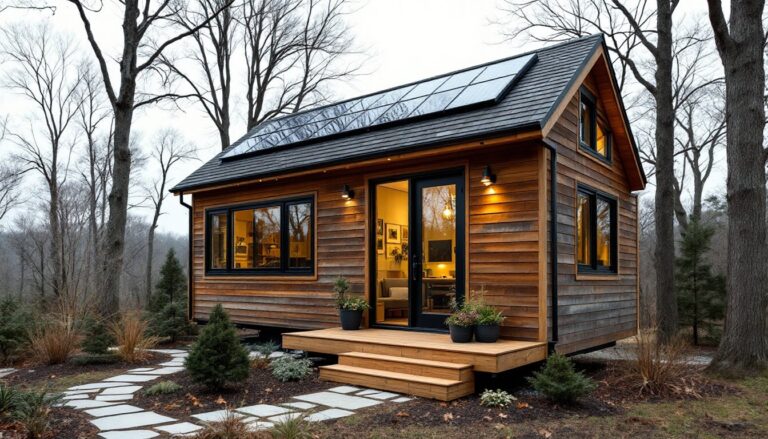
ToggleTiny homes have shifted from novelty to necessity for many homeowners seeking affordability, sustainability, and simplicity. A well-designed 3 bedroom tiny house plan proves that compact living doesn’t mean cramped compromises, you can fit three full bedrooms, functional kitchen space, a proper living area, and genuine comfort into 600–1,000 square feet. Whether you’re building your first home, downsizing, or creating a rental investment property, understanding how to maximize layouts, prioritize storage, and choose materials strategically will help you plan a tiny house that actually works for how your family (or guests) lives. This guide walks through proven floor plans, design strategies, and practical building considerations that make 3 bedroom tiny homes both livable and profitable.
Key Takeaways
- A 3 bedroom tiny house plan costs $60k–$150k compared to $400k+ for traditional homes, making it an affordable entry point for first-time buyers and investors.
- Open-concept living areas combined with private bedrooms (100–120 sq ft each) create livable 600–1,000 square foot homes that don’t feel cramped.
- Multi-story and loft-based designs maximize usable square footage vertically, allowing you to fit three bedrooms comfortably in under 1,100 square feet.
- Smart storage solutions like built-in cabinetry, under-bed drawers, and wall-mounted shelving eliminate wasted floor space and improve functionality in tiny homes.
- Prioritizing quality insulation (R-19 to R-38 depending on zone), roofing, and efficient HVAC systems protects long-term livability and keeps utility bills low.
- Check local zoning regulations and permitting requirements early, as rules vary significantly by region and can take 2–6 months to complete.
Why 3 Bedroom Tiny Homes Are a Smart Housing Solution
3 bedroom tiny houses address a real market gap. Traditional single-family homes in many regions now exceed $400k: a well-built tiny home costs $60k–$150k depending on materials, finishes, and location. That price-to-square-foot efficiency attracts first-time buyers, investors seeking rental income, and families wanting to eliminate mortgage debt.
From a construction standpoint, smaller footprints use fewer materials, require less heating and cooling, and, critically, pass more jurisdictions’ zoning requirements. Many counties still restrict tiny homes, but regulations are shifting, especially in states like Oregon, California, and Colorado. A 3 bedroom layout is the sweet spot: three bedrooms satisfy lending standards and rental-market appeal, while staying under the square footage that triggers additional permit complexity.
For DIY builders, a smaller footprint also means lower risk. Running utilities, framing walls, and finishing interiors becomes manageable for a homeowner-builder or small crew. And once complete, these homes rent faster and command better per-square-foot rates than larger properties, making them smart wealth-building tools.
Popular 3 Bedroom Tiny House Floor Plans and Layouts
Efficient Open-Concept Designs
The most livable 3 bedroom tiny plans use open living, dining, and kitchen zones. Rather than small, separate rooms that feel cramped, merging these spaces creates visual continuity and actual flexibility. Bedrooms are kept private and functional, typically 100–120 square feet each (about 10′ × 12′), just enough for a queen bed, dresser, and closet.
These designs often feature a primary suite on the main floor or upper level with an ensuite (or at least a larger floor plan), and two secondary bedrooms that work equally well for kids, guests, or office space. Vaulted ceilings in common areas add perceived height without eating floor space. Load-bearing walls are minimal: most interior walls are non-structural, so homeowners can reconfigure layouts later if needs change.
Open-plan layouts do require thoughtful acoustic and thermal zoning, an open kitchen should be easy to seal off during heavy cooking, and bedrooms need solid doors for privacy. Real projects use sliding barn doors or pocket doors to save the swing space of traditional hinged doors.
Multi-Story and Loft-Based Arrangements
Vertical building multiplies usable square footage. A one-story tiny home might top out at 600 square feet: add a second story or a substantial loft and you hit 900–1,100 square feet comfortably. Some designs stack bedrooms: main floor with an open living/kitchen and one bedroom, upper floor with two more bedrooms and a second bathroom.
Lofts, sleeping areas accessed by a staircase or ladder, work for secondary bedrooms if ceiling height permits (typically 7′ minimum for a usable loft, 8′ better). A gabled or vaulted roof supports this layout and helps with interior headroom. Framing-wise, you’ll need solid stair construction that meets IRC codes (usually a 7.5″ rise and 10″ tread minimum, though consult your local AHJ), and loft railings must be 36″ high with balusters spaced so a 4″ sphere can’t pass through.
Modern design ideas for small spaces often showcase these vertical arrangements, proving that thoughtful two-story layouts can feel open and breathable rather than cramped. Staircase placement is critical, center it visually and structurally so it doesn’t chop the main floor into awkward zones.
Key Design Features That Make 3 Bedroom Tiny Homes Work
Smart storage is the backbone of livable tiny homes. Built-in shelving, under-bed drawers, and wall-mounted cabinets reclaim cubic inches that freestanding furniture wastes. Many builders install floor-to-ceiling cabinetry in bedrooms, using custom dimensions to fit the exact wall. A 10′ × 12′ bedroom can shed 20 square feet of walkable floor if a traditional dresser occupies one wall: built-in drawers and shelving above achieve the same storage without the footprint.
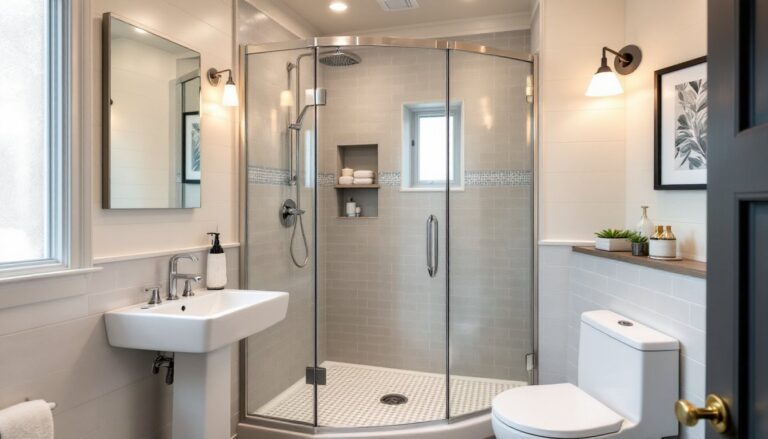
Second, utility placement prevents inefficient traffic. Kitchens should be compact, a galley or L-shaped layout with 8–12 linear feet of counter is standard. Bathrooms shrink to about 5′ × 8′ (fixture minimums: toilet, sink, shower stall or tub, though not both in tiny homes), but proper ventilation is non-negotiable. An inline or wall-mounted exhaust fan should run 20–30 minutes after showers: moisture is the enemy of small, insulated structures.
Third, insulation and envelope performance matter disproportionately. Tiny homes have a high surface-area-to-volume ratio, so heat loss is faster. Code in most regions calls for R-19 to R-30 in walls (depending on climate zone), R-30 to R-38 in ceilings, and R-13 or better in floor systems. Proper building science practices minimize thermal bridging and air leakage, keeping utility bills low, a huge selling point for renters and future buyers.
Finally, multi-functional elements maximize space. Kitchen islands serve cooking, dining, and storage. Stairs with built-in drawers underneath become a dresser. A murphy bed or day bed in a second bedroom doubles as seating. These aren’t gimmicks: they’re survival tactics that let you live comfortably in 700 square feet instead of feeling like you’re camping.
Budget and Building Considerations for Tiny Home Construction
Material costs for a 3 bedroom tiny home typically run $60–$100 per square foot for a basic build (framing, roofing, utilities, interior finish) and $100–$150+ per square foot for higher-end finishes. That translates to $36k–$150k total, depending on whether you’re building a foundation structure, mobile trailer-based unit, or prefab frame.
Foundation type shapes the entire budget. A permanent concrete slab runs $3k–$8k, a pier-and-beam system (useful for flood-prone areas) costs $5k–$15k, and a trailer frame for mobile tiny homes starts around $10k but must meet NFPA and DOT standards. Check your jurisdiction’s regulations early, some require permanent foundations, others permit trailers on private land only.
Permitting varies wildly. In progressive markets like Portland, Oregon, a 3 bedroom ADU (accessory dwelling unit) tiny home on an existing lot may fast-track approval: in other counties, zoning restrictions or minimum lot sizes make tiny homes illegal. Budget 2–6 months and $500–$3,000 in permit and engineering fees. Hire a local architect or designer familiar with your AHJ’s codes, not a generic plan from the internet.
Materials and systems worth not cutting: Insulation, roofing, and HVAC. Cheap insulation defeats the purpose. A quality metal or asphalt roof ($5k–$12k installed) outlasts poorly fastened shingles. A mini-split heat pump or efficient ducted system ($3k–$8k) is cheaper long-term than baseboard heaters or window units. Small space living ideas often highlight efficient climate control as a comfort baseline.
Labor and timeline: A DIY or owner-built tiny home takes 6–18 months with a small crew: professional builders do it in 3–4 months. Factor in supply delays, inspections, and weather. Don’t underbid labor, frame work, electrical rough-in, and plumbing require skill and code compliance.
Conclusion
A thoughtfully designed 3 bedroom tiny house plan balances comfort, code compliance, and cost-efficiency. Success hinges on careful floor planning, smart storage, and honest budgeting. Start by clarifying your end goal, personal residence, rental property, or resale, then work backward to a layout and material spec that serves that purpose. Engage local zoning and building officials early, invest in proper insulation and systems, and don’t skimp on finish quality. With solid planning and realistic timelines, a 3 bedroom tiny home becomes not just affordable shelter, but a genuinely desirable place to live.