
Table of Contents
ToggleSmart home devices vs traditional home solutions, it’s a choice many homeowners face today. Connected thermostats, voice-controlled lights, and app-enabled security systems promise convenience and efficiency. But are they worth the investment? Traditional appliances have served households reliably for decades. They’re simple, affordable, and familiar. This guide compares smart home devices with conventional alternatives. It covers convenience, cost, energy use, and practical considerations. By the end, readers will know which option fits their lifestyle and budget.
Key Takeaways
- Smart home devices offer automation, remote access, and voice control that traditional appliances cannot match.
- While smart home devices cost more upfront, they can reduce energy bills by 10% to 15% annually through intelligent optimization.
- Traditional appliances remain ideal for renters, budget-conscious buyers, and homes with unreliable internet service.
- Start small with one or two smart devices like a thermostat or speaker before expanding your smart home system.
- Choose a single smart home ecosystem (Alexa, Google Home, or Apple HomeKit) early to avoid compatibility issues.
- Match your decision to your actual daily routines and pain points rather than theoretical benefits.
What Are Smart Home Devices?
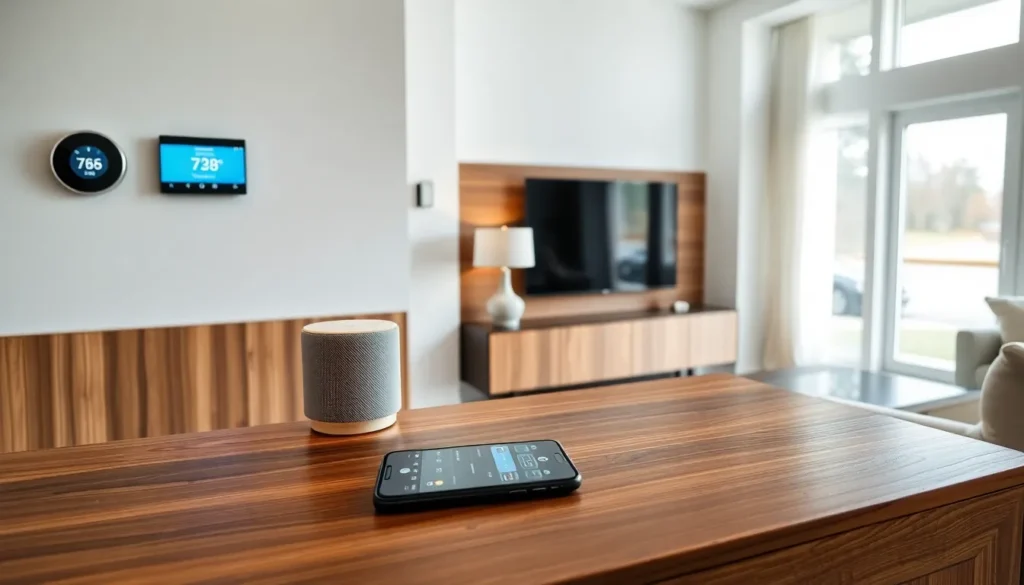
Smart home devices connect to the internet and communicate with other gadgets. They include smart speakers, thermostats, lighting systems, door locks, security cameras, and kitchen appliances. Users control these devices through smartphone apps, voice commands, or automated schedules.
The defining feature of smart home devices is connectivity. A smart thermostat learns a household’s temperature preferences and adjusts heating or cooling automatically. Smart lights turn on when someone enters a room and dim at bedtime. Security cameras send alerts to phones when they detect motion.
Popular smart home ecosystems include Amazon Alexa, Google Home, and Apple HomeKit. These platforms let users manage multiple devices from a single app or voice assistant. A homeowner might say, “Alexa, turn off the living room lights,” and the system responds instantly.
Traditional devices lack this connectivity. A standard thermostat requires manual adjustment. Regular light switches need someone to flip them. These differences define the core distinction between smart home devices vs their conventional counterparts.
Smart Home Devices vs Traditional Appliances
Convenience and Automation
Smart home devices excel at automation. They handle repetitive tasks without human input. A smart sprinkler system waters the lawn based on weather forecasts. Smart plugs turn off appliances at scheduled times. Robot vacuums clean floors while homeowners are at work.
Traditional appliances require manual operation. Someone must remember to adjust the thermostat before leaving. Lights stay on until a person turns them off. This distinction matters most for busy households or people who travel frequently.
Remote access adds another layer of convenience. Smart home devices let users check on their house from anywhere. Did someone leave the garage door open? A quick app check confirms it, and closes it remotely. Traditional systems offer no such capability.
Voice control simplifies daily routines. Hands-free commands help when cooking, carrying groceries, or getting ready in the morning. Traditional switches and dials can’t match this ease of use.
Cost and Energy Efficiency
Smart home devices typically cost more upfront. A basic thermostat runs $25 to $50. A smart thermostat costs $100 to $250. Smart bulbs cost $10 to $30 each, while standard LEDs cost under $5.
But, smart home devices often reduce long-term expenses. Smart thermostats can cut heating and cooling costs by 10% to 15% annually, according to Energy Star estimates. Smart power strips eliminate phantom energy drain from idle electronics.
Energy monitoring features help homeowners identify waste. Some smart plugs track electricity usage for each connected device. This data reveals which appliances consume the most power.
Traditional appliances have lower purchase prices but no efficiency optimization. They use the same amount of energy regardless of need. A conventional water heater keeps water hot 24/7, while a smart model heats on demand.
The break-even point varies by device and usage patterns. Smart thermostats often pay for themselves within two years. Smart bulbs take longer to recoup their higher cost.
Pros and Cons of Smart Home Technology
Advantages of Smart Home Devices
Smart home devices offer significant benefits:
- Time savings: Automation handles routine tasks automatically
- Energy reduction: Intelligent systems optimize resource use
- Security improvements: Real-time alerts and remote monitoring protect homes
- Accessibility: Voice control helps people with mobility limitations
- Customization: Users program devices to match their schedules and preferences
Disadvantages of Smart Home Devices
Smart technology comes with drawbacks:
- Higher upfront costs: Smart devices cost more than traditional alternatives
- Internet dependence: Most features require a stable Wi-Fi connection
- Learning curve: Setup and configuration take time
- Privacy concerns: Connected devices collect data about household activities
- Compatibility issues: Not all smart devices work together seamlessly
- Obsolescence risk: Technology updates may render older devices less functional
When Traditional Solutions Win
Traditional appliances make sense in several situations. Renters may prefer devices they can take when moving. Budget-conscious buyers appreciate lower prices. People uncomfortable with technology avoid the learning curve. Homes with unreliable internet service can’t fully use smart features.
Smart home devices vs traditional options isn’t always a clear winner. The best choice depends on individual circumstances.
How to Decide What Works Best for Your Home
Choosing between smart home devices vs traditional solutions requires honest assessment. Consider these factors:
Budget Reality
Calculate both upfront and long-term costs. Smart home devices cost more initially but may save money over time. Traditional appliances cost less now but offer no efficiency gains. Set a realistic budget and prioritize devices with the best return on investment.
Technical Comfort Level
Smart home devices require setup, updates, and troubleshooting. Some people enjoy learning new technology. Others find it frustrating. Be honest about willingness to manage connected systems.
Home Infrastructure
Reliable internet is essential for smart home devices. Check Wi-Fi coverage throughout the house. Older homes may need network upgrades before smart devices work properly.
Start Small
Beginners should avoid buying an entire smart home system at once. Start with one or two devices. A smart speaker or smart thermostat makes a good first purchase. Expand gradually based on experience.
Ecosystem Selection
Pick a smart home platform early. Amazon Alexa, Google Home, and Apple HomeKit each have strengths. Devices within the same ecosystem integrate more smoothly. Mixing platforms creates compatibility headaches.
Evaluate Daily Routines
Identify repetitive tasks that automation could handle. People who forget to adjust thermostats benefit from smart models. Frequent travelers appreciate remote monitoring. Match smart home devices to actual pain points rather than theoretical benefits.


