
Table of Contents
ToggleSmart home devices ideas are everywhere these days, and for good reason. These gadgets save time, cut energy bills, and add convenience to daily routines. Whether someone wants to control lights with their voice or monitor their front door from across town, there’s a device for that. The market offers options at every price point, from budget-friendly smart plugs to full home automation systems. This guide covers the best smart home devices ideas across five key categories. Readers will find practical suggestions they can carry out today to make their homes smarter, safer, and more efficient.
Key Takeaways
- Smart home devices ideas range from voice-controlled assistants to security systems, offering solutions at every budget level.
- Voice assistants like Amazon Echo and Google Nest serve as central hubs to control lights, locks, and other connected devices hands-free.
- Smart thermostats can save homeowners an average of 8% on heating and cooling bills, paying for themselves within two to three years.
- Smart lighting systems add convenience and security by automating schedules, simulating occupancy, and adjusting ambiance for different activities.
- Integrated security devices—including video doorbells, smart locks, and sensors—work together to provide real-time monitoring and comprehensive home protection.
- Smart kitchen appliances and robot vacuums reduce daily tasks, letting homeowners start coffee remotely, check refrigerator contents while shopping, and automate floor cleaning.
Voice-Controlled Assistants and Smart Speakers
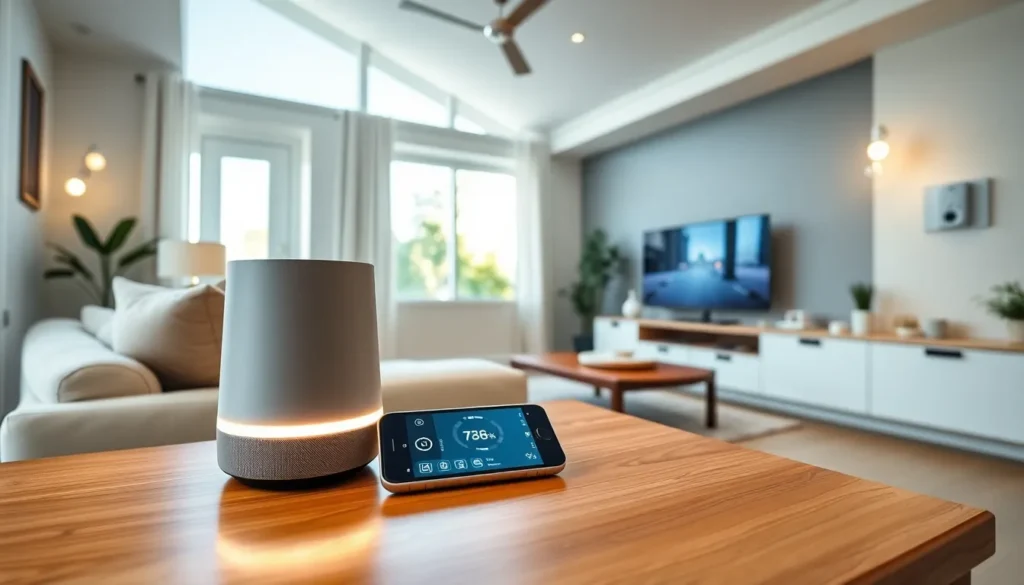
Voice-controlled assistants serve as the central hub for most smart home setups. Amazon Echo, Google Nest, and Apple HomePod devices let users control other gadgets, play music, set timers, and get answers to questions, all hands-free.
These smart speakers do more than play songs. They connect to hundreds of compatible devices and act as command centers. Someone can say “turn off the living room lights” or “lock the front door” without lifting a finger. That’s the real power of smart home devices ideas in action.
Amazon’s Alexa leads the market with the widest device compatibility. Google Assistant excels at answering questions and integrating with Android phones. Apple’s Siri works best for households already invested in the Apple ecosystem. Each platform has strengths, so the best choice depends on existing devices and preferences.
Smart displays like the Echo Show or Google Nest Hub add visual elements. Users can view security camera feeds, follow recipe videos, or make video calls. For families, these devices help manage schedules and keep everyone connected.
Budget tip: Start with a single smart speaker in a high-traffic area like the kitchen. Most people expand their system over time once they see how useful voice control becomes.
Smart Lighting Solutions
Smart lighting represents one of the easiest entry points into home automation. These systems range from simple smart bulbs to complete setups with switches, dimmers, and motion sensors.
Philips Hue remains the most popular smart lighting brand. Their bulbs offer millions of colors, scheduling options, and integration with major voice assistants. LIFX bulbs provide similar features without requiring a separate hub. Wyze bulbs deliver basic smart functionality at a fraction of the cost.
Smart light switches replace traditional wall switches and control any bulb connected to that circuit. Lutron Caseta and TP-Link Kasa switches work reliably and install in about 15 minutes for anyone comfortable with basic electrical work.
Smart home devices ideas for lighting go beyond convenience. Automated schedules can simulate occupancy when homeowners travel, adding a layer of security. Motion-activated lights in hallways prevent stubbed toes during nighttime bathroom trips. Dimming lights in the evening can improve sleep quality by reducing blue light exposure.
Color-changing bulbs create ambiance for different activities. Cool white light helps with focus during work hours. Warm tones set a relaxed mood for movie nights. Some users sync their lights with music or games for immersive entertainment experiences.
Home Security and Monitoring Devices
Smart security devices give homeowners peace of mind and real-time visibility into what’s happening at their property. Video doorbells, security cameras, smart locks, and sensors work together to create comprehensive protection.
Ring and Nest dominate the video doorbell market. These devices show who’s at the door through smartphone apps, even when nobody’s home. Two-way audio lets users speak with visitors or delivery drivers remotely. Motion detection sends alerts when someone approaches the property.
Indoor and outdoor cameras from brands like Arlo, Blink, and Eufy provide 24/7 monitoring. Cloud storage plans save footage for review later, while local storage options exist for privacy-conscious users. Many cameras now include features like person detection and package alerts.
Smart locks eliminate the need for physical keys. August, Schlage, and Yale offer models that unlock via smartphone, keypad, or voice command. Temporary access codes let guests or service providers enter without permanent keys. Activity logs show exactly who entered and when.
Window and door sensors trigger alerts when opened unexpectedly. Water leak detectors placed near washing machines, water heaters, and under sinks can prevent expensive damage. Smoke and carbon monoxide detectors with smart capabilities send phone notifications alongside their audible alarms.
These smart home devices ideas for security work best as an integrated system. A sensor detecting an opened door can trigger cameras to start recording and lights to turn on automatically.
Climate Control and Energy Management
Smart thermostats rank among the most practical smart home devices ideas for saving money. These devices learn household patterns and adjust heating and cooling automatically to reduce energy waste.
The Nest Learning Thermostat tracks when people are home and creates schedules based on behavior. Ecobee thermostats include room sensors to balance temperatures across different areas. Honeywell and Emerson offer smart thermostats at lower price points with solid functionality.
Energy savings add up quickly. The EPA estimates that smart thermostats save homeowners an average of 8% on heating and cooling bills. That typically means $50 or more per year, enough to pay for the device within two to three years.
Smart plugs and power strips extend energy management to any device. They can cut power to electronics that draw standby current, sometimes called “vampire power.” Coffee makers, game consoles, and phone chargers waste electricity even when not in active use. Smart plugs solve this problem with scheduled shutoffs or voice commands.
Smart ceiling fans adjust speed based on room temperature or time of day. Window blinds with motorized controls open and close to maximize natural light while minimizing heat gain. These smart home devices ideas work together to maintain comfort while reducing utility costs.
Energy monitoring devices show real-time electricity usage at the outlet or whole-home level. Seeing exactly where power goes helps identify waste and change habits.
Smart Kitchen and Household Appliances
The kitchen offers plenty of opportunities for smart home devices ideas. From coffee makers to refrigerators, connected appliances streamline daily tasks and reduce mental load.
Smart coffee makers start brewing before anyone gets out of bed. Models from Keurig and Hamilton Beach connect to smartphones or voice assistants for scheduling and remote control. Waking up to fresh coffee beats waiting around in the morning.
Smart refrigerators from Samsung and LG include interior cameras. Users can check what’s inside while grocery shopping, no more buying milk they already have. Some models track expiration dates and suggest recipes based on available ingredients.
Instant Pot and air fryers now come with smart features. Remote monitoring lets users check cooking progress without standing in the kitchen. Automatic shutoff and temperature alerts prevent overcooking or safety issues.
Smart dishwashers and washing machines send notifications when cycles finish. Some models detect load size and soil level to optimize water and detergent usage. Running appliances during off-peak electricity hours saves money with utility companies that offer time-of-use rates.
Robot vacuums handle floor cleaning with minimal intervention. iRobot Roomba, Roborock, and Ecovacs models map home layouts and clean efficiently. Many empty their dustbins automatically and return to charging stations between cleaning sessions.
Smart pet feeders dispense food on schedule, helpful for pet owners with unpredictable work hours. Smart sprinkler controllers adjust watering based on weather forecasts and soil conditions. These smart home devices ideas extend convenience throughout the entire household.


