

Imagine waking up to a sunny day and your blinds automatically lifting to let in the glorious sunshine. Or picture this: a sudden downpour, and your smart irrigation system immediately shuts off, saving water and preventing a soggy lawn. Welcome to the world of weather-based automation, where technology meets Mother Nature in a dance that’s both efficient and entertaining.
In a time when weather can be as unpredictable as a cat on a hot tin roof, harnessing its power through automation isn’t just smart—it’s essential. From optimizing energy use to enhancing comfort, weather-based automation transforms everyday living. It’s like having a personal assistant who knows exactly when to pull the shades or crank up the heat, all while keeping your wallet happy. Get ready to dive into how this innovative approach can make life easier, greener, and a lot more fun.
Overview of Weather-Based Automation
Weather-based automation leverages real-time weather data to enhance environmental management in homes and businesses. This technology detects changes in temperature, rainfall, and sunlight, allowing various systems to respond automatically. For instance, smart thermostats adjust indoor climates based on outdoor conditions, optimizing energy use.
Automated irrigation systems provide another example. They turn off during rain or adjust watering schedules based on forecasted precipitation. This kind of efficiency saves water and lowers utility bills. Furthermore, smart blinds can open or close according to sunlight, maximizing natural light and improving indoor comfort.
Different sensors integrated into these systems include temperature, humidity, and light sensors. These devices collect data continuously, allowing for precise automation actions. When conditions shift, such systems enact pre-programmed responses without manual intervention.
Energy management benefits significantly from weather-based automation. By aligning energy consumption with environmental factors, individuals can reduce their carbon footprint. Additionally, automation promotes the efficiency of HVAC systems, cutting unnecessary energy usage.
Adopting weather-based automation contributes to sustainability. Individuals and businesses alike benefit from resource conservation and cost savings. As technology evolves, the integration of weather data into automated systems will likely become increasingly common, transforming how people manage their environments.
This innovative approach not only enhances comfort but also promotes a more efficient use of resources. Overall, weather-based automation represents a significant step towards smarter living spaces.
Benefits of Weather-Based Automation
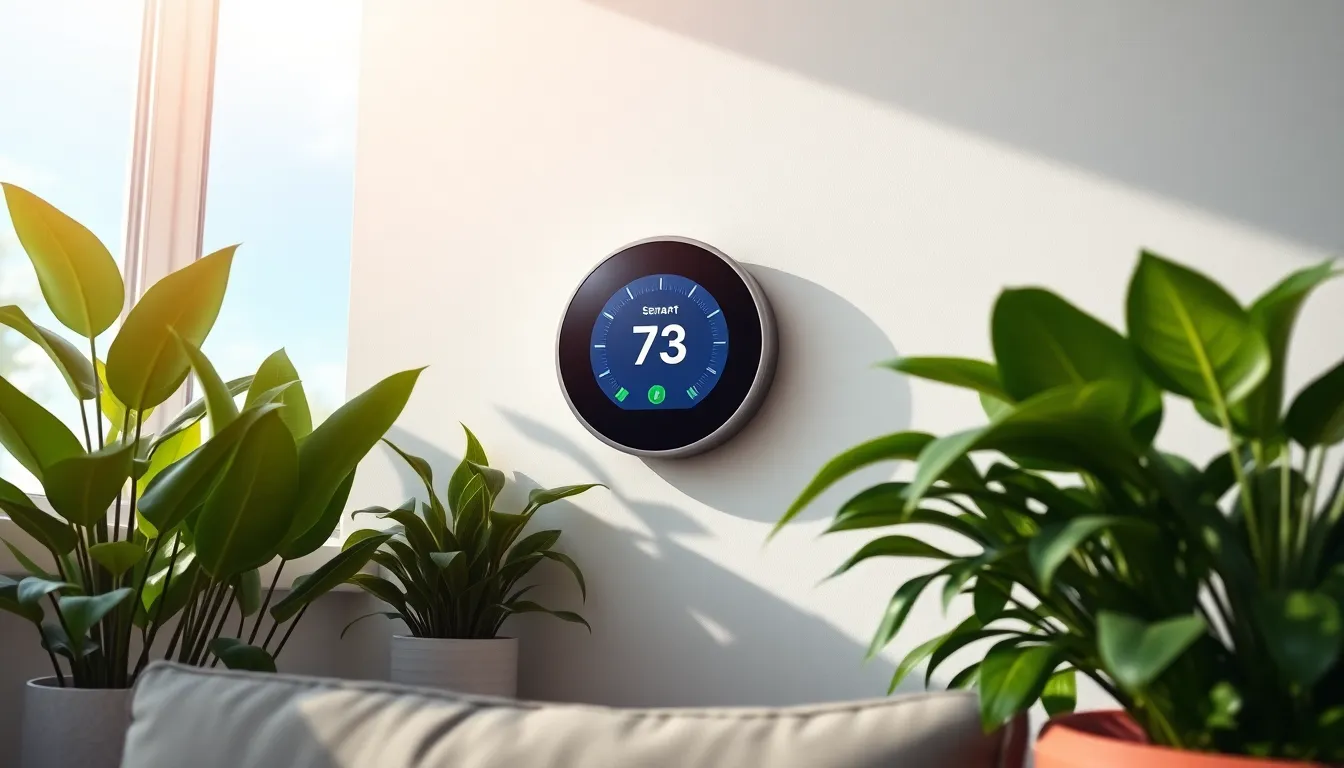
Weather-based automation offers distinct advantages that enhance both energy efficiency and comfort in daily life. Utilizing real-time weather data allows systems to respond smartly to environmental changes.
Energy Efficiency
Automated systems adjust energy use based on current weather conditions. For instance, smart thermostats lower heating in response to warm outdoor temperatures. This proactive management significantly reduces energy consumption and cost, leading to lower utility bills. Automatic irrigation systems also cease operation when rain is detected, preventing water waste. According to the U.S. Department of Energy, homes with energy-efficient technologies can reduce energy usage by up to 30 percent. Sensors continuously monitor key factors, allowing adjustments without human intervention, which streamlines processes.
Enhanced Comfort
Automation elevates comfort levels within living spaces by adapting to personal preferences. Smart blinds can close during peak sunlight hours, reducing heat buildup and maintaining pleasant indoor temperatures. Furthermore, automated climate control systems optimize settings based on weather patterns, ensuring that indoor environments remain cozy year-round. Research from the American Council for an Energy-Efficient Economy indicates that improved indoor comfort contributes to higher productivity and overall well-being. With fewer manual adjustments required, residents enjoy a seamless experience aligning with their desired conditions.
Key Technologies in Weather-Based Automation
Weather-based automation relies on advanced technologies to optimize energy usage and enhance comfort. Key components include sensors, IoT devices, and machine learning algorithms that work together to provide effective solutions.
Sensors and IoT Devices
Sensors play a critical role in weather-based automation systems. Temperature, humidity, and light sensors collect real-time data about environmental conditions. This data informs automated actions like adjusting heating or cooling systems to enhance comfort. IoT devices connect these sensors, allowing seamless communication between systems. Instances of smart thermostats and automated irrigation systems demonstrate how sensors trigger timely responses, effectively saving energy and resources. Integration of multiple sensor types ensures comprehensive monitoring and control, promoting efficiency in everyday environments.
Machine Learning Algorithms
Machine learning algorithms significantly enhance weather-based automation systems. By analyzing data collected from sensors, these algorithms predict weather patterns and make informed decisions. For example, an algorithm might adjust indoor temperatures based on predicted outdoor conditions, optimizing energy use. Continuous learning enables the system to adapt over time, improving accuracy and efficiency. Real-time analysis allows for dynamic responses to sudden weather changes, ensuring settings remain comfortable. Insights generated by these algorithms contribute to smarter living spaces, reinforcing the benefits of automation in energy conservation and user comfort.
Applications of Weather-Based Automation
Weather-based automation finds diverse applications, significantly impacting various sectors. Notably, smart home technology exemplifies how this innovative approach optimizes daily living.
Smart Homes
Smart homes implement weather-based automation to enhance comfort and energy efficiency. Sensors detect temperature changes, allowing thermostats to adjust heating and cooling accordingly. Lights can automatically turn off or dim based on outside light conditions. Automated blinds open or close to maximize natural sunlight during the day. Statistics show that smart homes can reduce energy usage by 10 to 30 percent. Such automation not only saves money but also ensures a pleasant living environment aligned with personal preferences.
Agricultural Practices
In agriculture, weather-based automation plays a crucial role in optimizing resource use. Automated irrigation systems respond to rainfall, reducing water waste and ensuring crops receive adequate hydration. Technologies like soil moisture sensors work in tandem with weather forecasts to guide irrigation schedules. This method can lead to water savings of 20 to 40 percent. Farmers can use automation to monitor temperature and humidity, allowing timely interventions that promote crop health. Accurate weather data helps farmers make informed decisions that enhance productivity while conserving resources.
Challenges and Considerations
Weather-based automation offers significant advantages but also presents challenges that require attention. Individuals must navigate considerations related to data privacy and system reliability.
Data Privacy
Data privacy concerns arise when integrating weather-based automation systems. Personal information is often collected by sensors and devices, including temperature preferences and daily routines. Protecting this data becomes crucial to maintain user trust. Compliance with regulations like GDPR ensures that data is handled responsibly. Additionally, users should select systems ensuring encryption to prevent unauthorized access, which mitigates risks associated with data breaches. Transparency from manufacturers about data collection practices provides further reassurance, allowing users to make informed decisions regarding their privacy.
System Reliability
System reliability plays a vital role in successful weather-based automation implementation. Connectivity issues can disrupt operations, leading to inefficiencies and reduced comfort. Dependence on accurate weather data also raises concerns. Devices often rely on real-time data; any inaccuracies in this information can result in inappropriate responses, such as unnecessary heating or watering. Regular maintenance of equipment and software updates enhances reliability. Moreover, selecting reputable brands with a history of dependable performance contributes to overall satisfaction, ensuring that automation systems work consistently, even during unexpected weather changes.
Conclusion
Weather-based automation is reshaping how individuals interact with their environments. By harnessing real-time weather data, these systems not only enhance comfort but also promote significant energy savings and resource conservation. As technology continues to advance, the potential for smarter living spaces grows, leading to more sustainable practices in both homes and agriculture.
The integration of sensors, IoT devices, and machine learning ensures that automation remains efficient and responsive. With careful consideration of data privacy and system reliability, weather-based automation can provide a seamless experience that benefits users and the planet alike. Embracing this innovative approach is a step toward a more efficient and environmentally conscious future.