
In a world where forgetting your keys is almost a rite of passage, smart keypad entry systems are here to save the day—and your sanity. Imagine a life where fumbling through pockets or bags is a thing of the past. With just a simple code, doors swing open and you step into your home like a secret agent on a mission, minus the dramatic music.
These high-tech wonders not only add a touch of modern flair to any entrance but also enhance security. Say goodbye to the days of hiding spare keys under flower pots or trusting that one friend who always forgets to return them. Smart keypads offer convenience and peace of mind, making them the perfect addition for anyone looking to level up their home security game. So, why not embrace the future? Your keys will thank you—or at least they won’t be left out in the rain.
Overview of Smart Keypad Entry
Smart keypad entry systems provide an innovative approach to home security. Users no longer rely on traditional keys; instead, they can enter their homes using unique access codes. This modern method enhances security by eliminating common hiding spots for spare keys. Improved convenience stands out as a primary benefit, allowing for easy entry without fumbling through bags or pockets.
Several types of smart keypads exist, catering to different needs. Some systems feature touchscreen interfaces, while others include mechanical buttons for those who prefer tactile feedback. Many models also integrate with smart home systems, providing seamless access control through mobile devices.
Smart keypads often come equipped with advanced security features. Users can set temporary access codes for guests, which expire after a specified period. In addition, several devices offer logging capabilities, tracking who enters and exits the home and when.
Installation processes vary among smart keypads. Many options require minimal tools and can often be completed in under an hour. Wireless models typically connect via Wi-Fi or Bluetooth, simplifying setup and enhancing user experience.
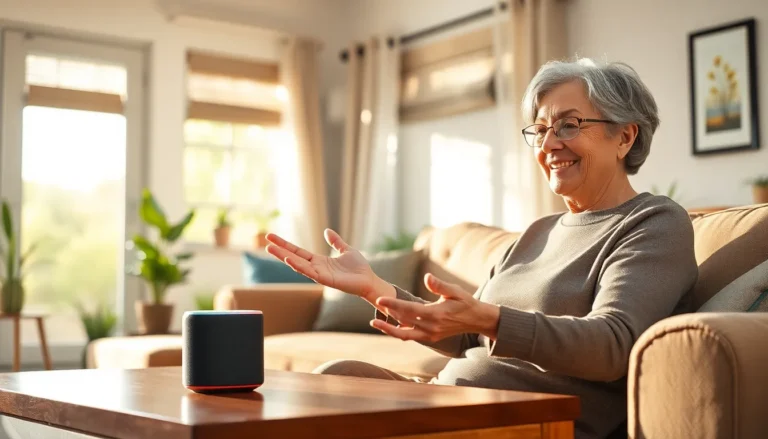
Accessibility highlights another advantage of smart keypad entry. Users can access their homes without physical keys, beneficial for those with mobility challenges. As technology advances, many keypads now allow integration with voice control systems like Amazon Alexa or Google Assistant, adding a layer of convenience and functionality.
Ultimately, smart keypad entry systems represent a significant shift in home security. Their blend of advanced features, ease of use, and enhanced security makes them a compelling choice for modern homeowners.
Features of Smart Keypad Entry
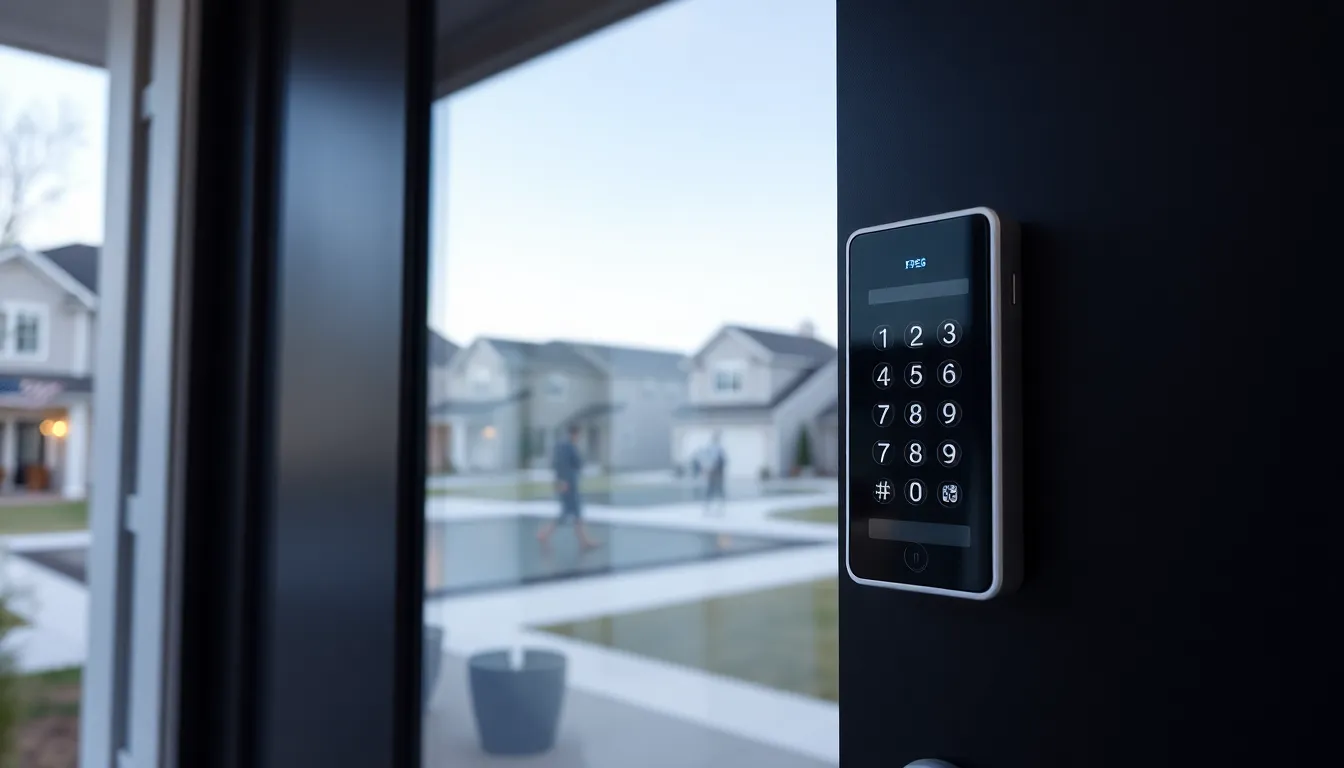
Smart keypad entry systems offer multiple functionalities that enhance convenience and security in home environments. These features cater to the diverse needs of modern homeowners.
User-Friendly Interface
Touchscreen interfaces provide intuitive navigation, simplifying the code entry process. Mechanical buttons also exist, allowing users to choose their preferred interaction method. Customizable features, like backlighting and volume settings, enhance usability in different lighting conditions. Voice control integration streamlines access for individuals with mobility challenges, making entry effortless. Users can usually program personal codes quickly, accommodating family members or trusted guests with ease.
Security Enhancements
Advanced encryption methods protect against unauthorized access, ensuring data integrity. Temporary access codes deliver a secure way to grant entry to visitors without sharing permanent information. Usage logs automatically track entry patterns, providing homeowners with an insightful record of who enters and exits their residences. Multifactor authentication options occasionally require additional verification for heightened security. Smart keypads enable users to receive real-time alerts, enhancing awareness of any potential security breaches.
Benefits of Smart Keypad Entry
Smart keypad entry systems provide multiple advantages over traditional key-based locks. They enhance convenience and security while catering to modern lifestyles.
Convenience and Accessibility
User-friendly interfaces simplify the entry process. Individuals can access their homes effortlessly by entering a code instead of fumbling for keys. Many smart keypads integrate voice control, offering accessibility for those with mobility challenges. Temporary access codes allow guests to enter without needing a physical key. This functionality makes hosting easier while enhancing security, as homeowners can control and track access.
Integration with Smart Home Systems
Smart keypad entry seamlessly integrates into existing smart home systems. Compatibility with devices like Amazon Alexa or Google Assistant allows for voice commands. Homeowners can control locks remotely from their smartphones, enhancing security by monitoring entry and exit patterns. Real-time alerts notify users of any unauthorized access attempts. Flexibility in managing codes and access times adds an extra layer of convenience, making these systems ideal for tech-savvy homeowners.
Comparison with Traditional Entry Systems
Smart keypad entry systems significantly differ from traditional entry systems, offering a modern solution to security concerns. Traditional locks often rely on physical keys, which can be lost, stolen, or forgotten. In contrast, smart keypads utilize code-based access, eliminating the need for keys and reducing the likelihood of unauthorized entry.
Security features in smart keypads outperform traditional locks. Many smart keypads incorporate advanced technology such as encryption methods and multifactor authentication. These additional layers of protection safeguard against hacking and unauthorized access, whereas traditional locks may rely solely on a simple key.
Convenience also sets smart keypads apart. Homeowners can grant temporary access codes to guests, allowing for seamless visits without needing to coordinate key exchanges. Traditional systems often require homeowners to be physically present to provide access, leading to complications in busy schedules.
Installation stands as another differentiator. Smart keypads typically feature a user-friendly installation process, which can often be completed in under an hour with minimal tools. Traditional locks, however, may necessitate professional assistance for installation, increasing costs and time commitments.
Integration capabilities of smart keypads enhance their appeal. Many systems sync effortlessly with existing smart home technologies, allowing users to manage all aspects of home security from a smartphone. This level of integration is less common in traditional lock systems, which usually function independently.
Cost comparisons also come into play. While traditional locks have lower upfront costs, smart keypads can save money in the long run through enhanced security and reduced potential theft. Individuals might find that investing in a smart solution offers better value over time.
By prioritizing advanced security, convenience, and integration, smart keypad entry systems provide compelling advantages over traditional entry systems.
Conclusion
Smart keypad entry systems are transforming home security and convenience. By eliminating physical keys, they provide an effortless way to access homes while enhancing safety with advanced features. From customizable codes to integration with smart home technology, these systems cater to various user needs.
The ease of installation and user-friendly interfaces make smart keypads an appealing choice for homeowners. As security threats evolve, investing in this technology not only simplifies daily life but also offers peace of mind. Embracing smart keypad entry is a step toward a more secure and convenient future for any household.