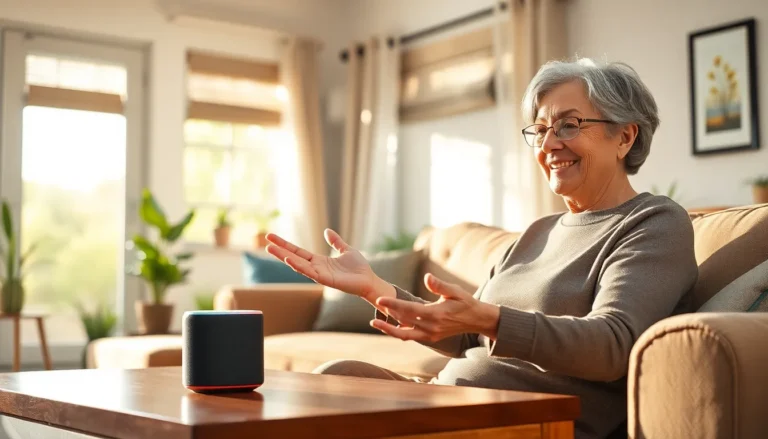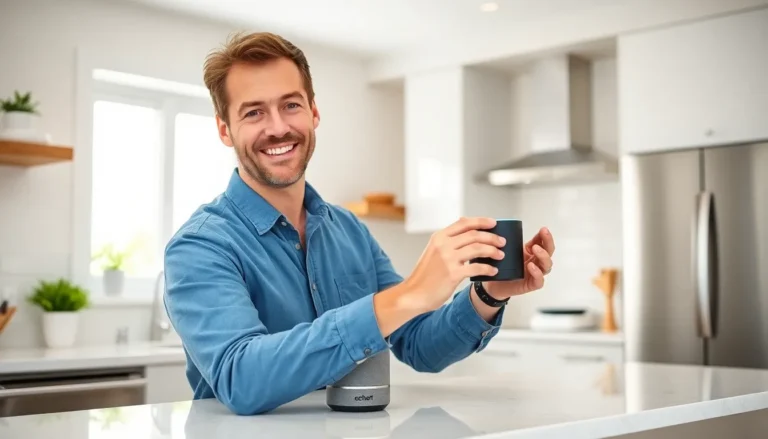

In a world where your fridge can remind you to buy milk and your lights can dim with a simple voice command, the convenience of smart homes is hard to resist. But while these gadgets make life easier, they also raise some eyebrow-raising questions about privacy. After all, who knew your toaster could be such a chatty Cathy?
Understanding Smart Home Privacy Policies
Smart home privacy policies play a crucial role in safeguarding personal information. Devices collect data that improve user experiences, but they also raise concerns about security and privacy.
Importance of Privacy in Smart Homes
Privacy protections matter in smart homes due to the substantial amount of personal data collected. Users share information with devices that range from health trackers to smart refrigerators. Risks include unauthorized access and misuse of sensitive data, creating potential vulnerabilities for individuals. Consumers rely on privacy policies to understand how their data is handled. Awareness encourages informed decisions about which devices to integrate into their homes. With smart technology adoption increasing, maintaining privacy remains a priority for consumers and manufacturers alike.
Key Components of Privacy Policies
Privacy policies should clearly outline data collection practices. Transparency is essential in informing users about what data is being gathered. They often specify how long data is stored and the methods used to secure it. Consumers benefit from knowing third parties involved in data sharing, including advertisers and developers. The policies should describe users’ rights regarding data access and deletion. Regular updates ensure consumers stay informed about any changes to practices or regulations affecting their privacy. Understanding these components empowers users to protect their personal information while enjoying the conveniences of smart home technology.
Common Practices in Smart Home Privacy
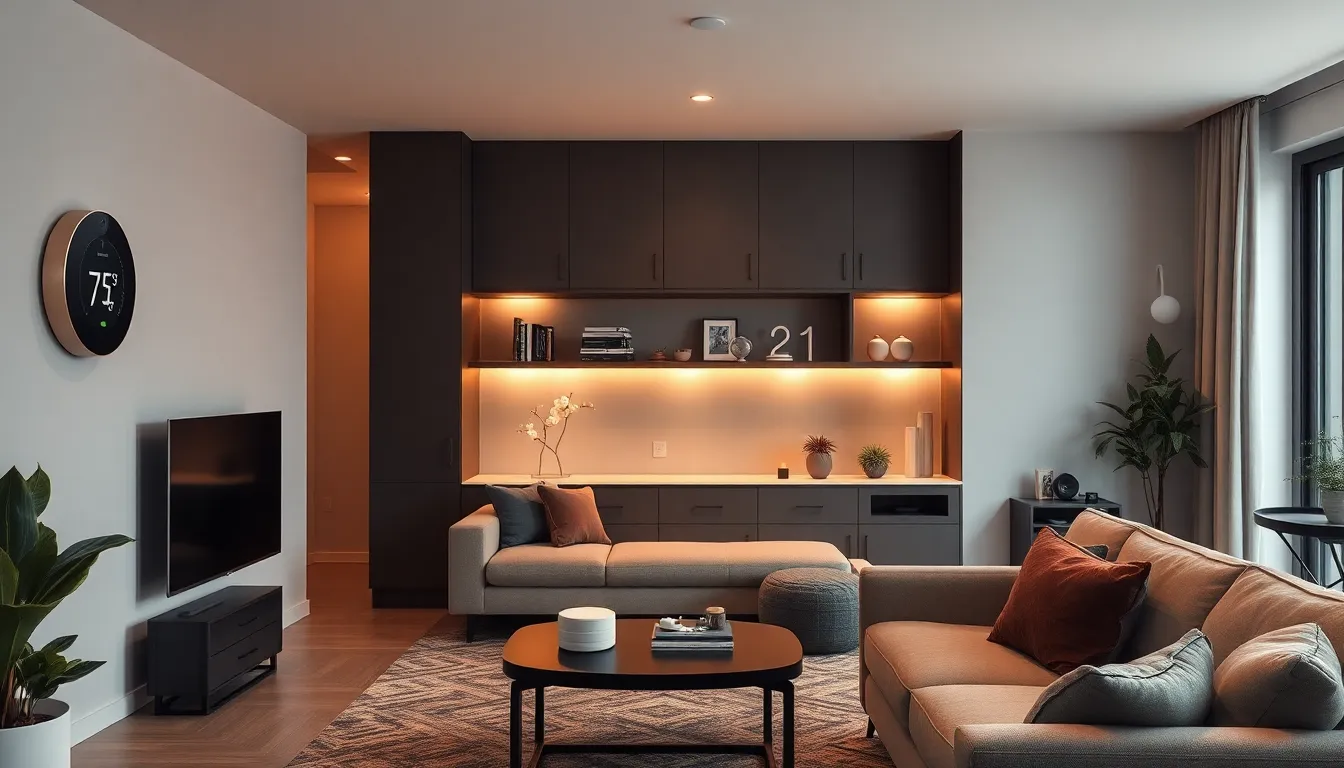
Smart home devices prioritize user privacy through various practices. Focusing on data collection methods, these devices utilize several techniques to gather user information.
Data Collection Methods
Smart home devices may collect data through sensors, cameras, and microphones. They often track usage patterns to enhance user experience and improve functionality. Additionally, some devices monitor environmental conditions, such as temperature or humidity levels. By collecting location data, these devices can also optimize system performance based on user routines. Consumers often overlook the extent of this data collection, making it crucial for them to understand how information is gathered and utilized.
User Consent and Transparency
Manufacturers emphasize the importance of user consent in data collection processes. Users typically encounter consent agreements when setting up devices, detailing what information is collected. Thorough privacy policies outline how data is shared and stored, fostering transparency. Notably, some companies offer options for users to manage privacy settings, including data access and deletion. Ensuring clear communication regarding these practices allows consumers to make informed decisions about their smart home technology.
Privacy Challenges in Smart Home Devices
Smart home devices offer convenience but come with significant privacy challenges.
Vulnerabilities and Security Risks
Devices often contain security vulnerabilities that hackers can exploit. For instance, weak passwords and outdated software leave entry points for unauthorized access. These vulnerabilities may expose sensitive personal information, including location data and private conversations. Manufacturers must prioritize security through regular updates and user education on best practices. Addressing these risks strengthens consumer trust and protects personal data.
Impact of Third-Party Integration
Many smart devices rely on third-party applications for enhanced functionality. This integration can lead to additional privacy concerns, particularly when third parties collect data without clear consent. Data sharing often includes personal details, usage patterns, and interaction histories. It’s crucial for consumers to review privacy policies before integrating third-party services. Awareness of data handling practices allows individuals to make informed choices regarding their smart home ecosystems.
Best Practices for Consumers
Maintaining privacy in smart homes requires vigilance and knowledge of best practices. Consumers should actively implement security measures for their devices.
Securing Your Smart Home Devices
Users must apply strong passwords across all devices. Changing default usernames and setting unique passwords reduces vulnerabilities. Regularly updating software and firmware ensures devices have the latest security features. Devices linked to the internet can pose risks if left unpatched. Enabling two-factor authentication adds an additional layer of protection. Additionally, disabling unused features on devices decreases potential data collection avenues.
Reviewing Privacy Policies Effectively
Consumers benefit from thoroughly reviewing privacy policies before purchasing smart devices. Look for clear explanations regarding data collection practices and third-party data sharing. Policies should specify how long data is retained and security measures in place. Understanding options for accessing and deleting personal data is crucial. If a policy lacks clarity or transparency, considering an alternative device may be wise. Staying informed helps consumers make decisions that align with their privacy expectations.
Conclusion
Smart home technology offers remarkable convenience but comes with significant privacy concerns. As consumers increasingly rely on these devices, understanding privacy policies becomes essential. Clear communication from manufacturers about data collection and sharing practices empowers users to make informed decisions.
By prioritizing security and transparency, manufacturers can build trust with consumers. Adopting best practices like strong passwords and regular updates helps mitigate risks. As smart homes evolve, staying vigilant about privacy will ensure a safer and more enjoyable experience for everyone involved.