

In the great debate of renter versus buyer, one thing’s for sure: both sides have their quirks. Renters often embrace the freedom of a transient lifestyle, living like nomads in search of the next great avocado toast spot. On the flip side, buyers are the proud homeowners, wielding their keys like a superhero’s shield, ready to defend their turf from pesky lawn gnomes.
Understanding Renter vs Buyer Mindset
Renters and buyers approach housing with differing perspectives shaped by their lifestyles and priorities. Understanding these mindsets allows for clearer insights into their decisions.
Definition of Renter Mindset
The renter mindset emphasizes flexibility and mobility. Many renters enjoy the freedom to relocate without the burden of homeownership responsibilities. This perspective attracts individuals who prioritize experiences, travel, and adaptability over long-term financial investment. Renters often seek short-term leases, accepting fluctuating rental markets. They value amenities and locations that enhance their lifestyle rather than committing to property long-term. Priorities may include lower monthly payments and minimal maintenance obligations, fostering a lifestyle focused on convenience.
Definition of Buyer Mindset
The buyer mindset focuses on stability and investment. Homeownership signifies commitment to a community and an asset that may appreciate over time. Buyers typically prioritize long-term financial planning and seek to build equity through property ownership. Many perceive homeownership as a hedge against rising rents, emphasizing the desire for a stable living environment. Buyers consider factors like market trends, location, and value appreciation when making decisions. This mindset embraces responsibilities associated with home maintenance and improvement, reinforcing a sense of pride in ownership.
Factors Influencing Renter vs Buyer Mindset
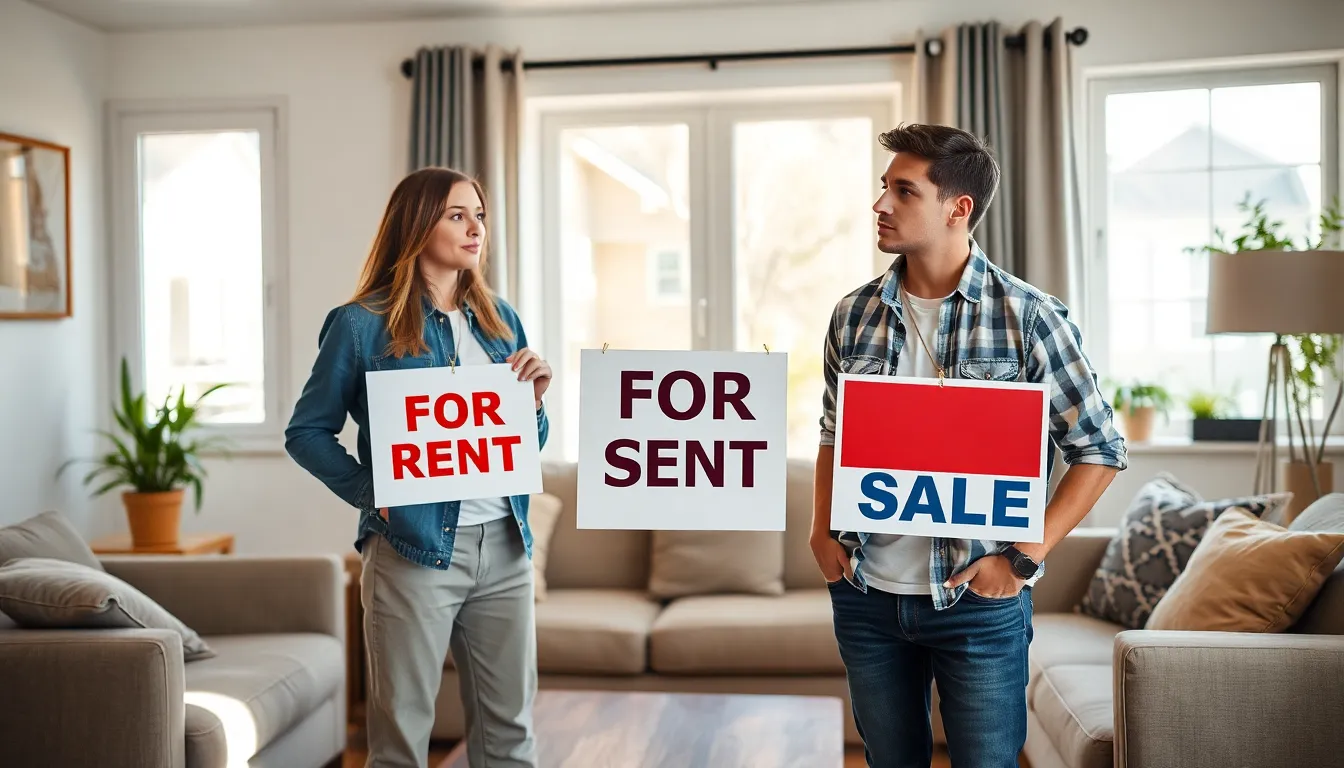
Various factors impact the decision to rent or buy a home. Financial considerations and lifestyle preferences play significant roles in shaping these mindsets.
Financial Considerations
Cost plays a pivotal role in choosing between renting and buying. Renters often enjoy lower upfront expenses, letting them allocate budgets to other experiences. Investment in property incurs additional costs, including down payments and closing fees. Buyers tend to prioritize long-term financial stability and equity accumulation, countering the appeal of mobility in renting. Market trends influence decision-making; buyers assess property values for potential appreciation, while renters focus on immediate financial flexibility.
Lifestyle Preferences
Flexibility often appeals to renters, who frequently seek experiences over stability. Many cherish the ability to relocate easily for job opportunities or lifestyle changes. Homeownership, however, represents commitment to a community, fostering a sense of belonging. Buyers often emphasize stability and routine, valuing the investment in a permanent residence. Preferences differ significantly; while renters might prioritize convenience and transient experiences, buyers cultivate roots and long-term planning in their living situations.
Pros and Cons of Each Mindset
The decision to rent or buy significantly impacts lifestyle and financial stability.
Advantages of Renting
Renting offers flexibility and mobility, key desires for many individuals today. Lower upfront costs associated with renting attract those who prefer to allocate funds toward experiences rather than property ownership. Maintenance responsibilities often fall to landlords, relieving renters of repair duties. Not needing to commit to a long-term location allows for easy relocation, making it ideal for career changes or lifestyle shifts. Additionally, the rental market provides access to diverse living environments without the financial strain of a mortgage.
Advantages of Buying
Homeownership brings stability and the potential for equity growth over time. Buyers can customize their living spaces to suit personal preferences, creating a sense of permanence and pride in property ownership. Fixed mortgage payments protect against rising rent prices, offering financial predictability. Committing to a community fosters deeper connections with neighbors and local amenities. Tax benefits associated with mortgage interest and property taxes can further enhance financial advantages.
Disadvantages of Renting
Despite its advantages, renting comes with limitations. Lack of control over property modifications restricts personalization, often frustrating creative tenants. Rent prices may increase annually, affecting budgeting and financial planning. Lease agreements can impose restrictions on pet ownership and subleasing, which may not align with renters’ lifestyles. No equity is built through monthly payments, preventing long-term wealth accumulation.
Disadvantages of Buying
Buying a home presents several financial challenges. High upfront costs, including down payments and closing fees, can strain finances. Homeowners bear responsibility for maintenance and repairs, which can be unexpectedly costly and time-consuming. Market fluctuations affect property values, posing risks to buyers’ investments. Selling a home involves additional costs and can be lengthy, potentially complicating relocation plans.
Conclusion
Understanding the renter versus buyer mindset is crucial for anyone navigating the housing market. Each lifestyle offers unique benefits and challenges that cater to different priorities and financial situations. Renters thrive on flexibility and the freedom to explore new opportunities without the burden of long-term commitments. Buyers, on the other hand, embrace stability and the chance to invest in their future through homeownership.
Ultimately, the choice between renting and buying hinges on individual goals and circumstances. By recognizing these mindsets, prospective renters and buyers can make informed decisions that align with their values and financial aspirations. Whether one seeks the adventure of renting or the security of buying, both paths can lead to fulfilling living experiences.