

Investing in rehab properties can be a game changer for real estate enthusiasts looking to maximize their returns. With the right approach, these properties offer not just a chance to breathe new life into neglected spaces but also the potential for significant profits. Whether it’s a quaint fixer-upper or a larger multifamily unit, rehab projects can transform into lucrative investments.
Understanding the nuances of the rehab process is crucial. From identifying promising properties to navigating renovations, investors must be equipped with the right strategies to succeed. This article explores the key aspects of rehab investment properties, providing insights that can help investors make informed decisions and achieve their financial goals.
Understanding Rehab Investment Property
Rehab investment property refers to real estate that requires renovations to increase its value. Understanding its aspects benefits investors aiming for profitable transformations.
Definition and Purpose
Rehab investment properties consist of homes or buildings needing repairs or upgrades. The purpose includes enhancing property value, attracting tenants or buyers, and increasing rental income. Investors look for distressed properties to remodel, intending to sell or rent them at higher rates.
Types of Rehab Investment Properties
Several types of rehab investment properties exist, including:
- Single-family homes: These structures offer opportunities for first-time investors, often requiring less capital.
- Multifamily units: Investors can renovate larger buildings for increased cash flow from multiple tenants.
- Commercial properties: Retail and office spaces may require extensive renovations, yet they can yield substantial returns.
- Foreclosures: These properties often sell below market value, allowing investors to capitalize on improvements.
- Short sales: Investors purchase properties approved for sale by the lender at reduced prices, requiring renovations for resale.
Investors should assess each type’s potential risks and returns to determine the best fit for their portfolio.
Benefits of Investing in Rehab Properties
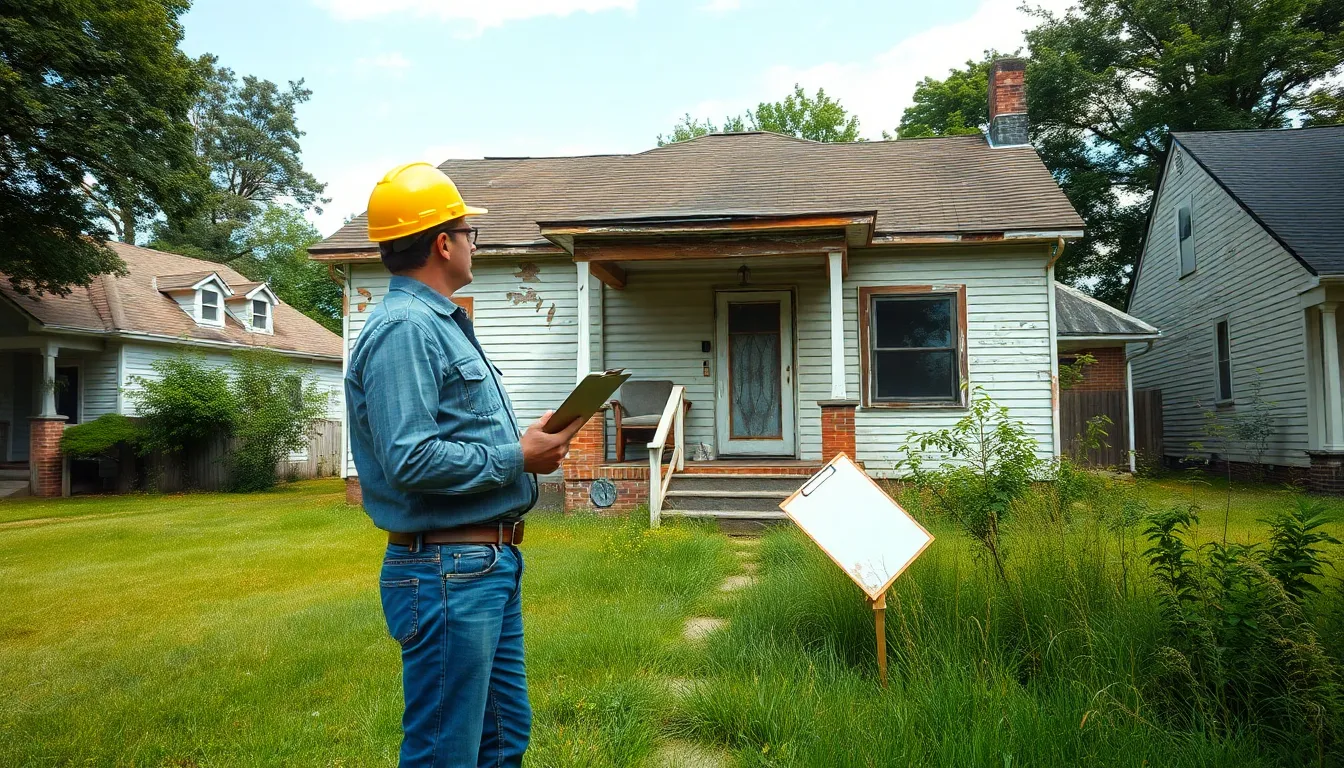

Investing in rehab properties presents numerous advantages that can significantly enhance an investor’s portfolio. Key benefits include the potential for high returns and tax advantages that contribute to overall profitability.
Potential for High Returns
Investors can achieve substantial profits through well-executed renovations. Properties purchased below market value due to their dilapidated condition often yield significant equity upon improvement. For instance, a property bought for $150,000 may increase in value to $225,000 after $50,000 in renovations. This $25,000 profit represents a 50% return on the renovation investment. Successful rehab projects attract higher-paying tenants, leading to increased rental income.
Tax Advantages
Investing in rehab properties offers valuable tax benefits that can enhance cash flow. Investors can deduct renovation expenses, such as materials and labor, on their tax returns. These deductions decrease taxable income, ultimately lowering the overall tax burden. Moreover, property depreciation allows investors to write off a portion of the property’s value over time, further increasing financial benefits. Investors benefit from potential capital gains tax exemptions when holding properties for over a year. These tax advantages create a more favorable investment landscape, making rehab properties an appealing choice.
Key Considerations Before Investing
Before investing in rehab properties, investors must assess several critical factors to maximize their success.
Evaluating the Property’s Condition
Evaluating the property’s condition is crucial for determining potential renovation costs and overall investment viability. Investors should conduct thorough inspections to identify structural issues, plumbing and electrical systems, and necessary repairs. Engaging professional inspectors can provide additional insights. Analyzing comparable properties in the area can help gauge what renovations are worth pursuing and what the return on investment may be. Factors such as neighborhood trends, market demand, and zoning regulations also influence investment decisions and should be closely examined.
Budgeting for Renovations
Budgeting for renovations involves more than just the initial purchase price. Investors must account for material costs, labor fees, permits, and unexpected expenses that could arise during the rehab process. It’s wise to establish a contingency fund of 10-20% of the total renovation budget to cover unforeseen issues. Creating a detailed scope of work can assist in defining each renovation task and estimating overall costs accurately. Tracking expenses closely during renovations helps maintain financial control and ensures that overall budgets align with investment goals.
Tips for Successful Rehab Projects
Successful rehab projects rely heavily on strategic planning and effective execution. Investors must prioritize choosing the right contractors and managing the renovation process efficiently.
Hiring the Right Contractors
Hiring the right contractors is crucial for achieving project success. Investors should consider the following points:
- Verify credentials: Ensure contractors are licensed, insured, and bonded to protect against potential liabilities.
- Assess experience: Focus on contractors with specific experience in rehab projects similar to the investor’s scope.
- Request references: Obtain and review references from past clients to gauge reliability and quality of work.
- Obtain multiple quotes: Compare at least three quotes to ensure competitive pricing and understand the prevailing market rates.
- Communicate expectations: Clearly outline project timelines, budgets, and quality standards to avoid misunderstandings.
Managing the Renovation Process
- Create a detailed timeline: Establish a clear schedule with milestones to track progress and ensure timely completion.
- Perform regular site visits: Conduct frequent inspections to monitor quality, adherence to timelines, and compliance with safety regulations.
- Maintain open communication: Foster transparent communication with contractors and subcontractors to address any issues promptly.
- Keep detailed documentation: Document all agreements, changes, and expenses to maintain clarity and facilitate future reference.
- Be flexible: Adapt to unexpected challenges while keeping the end goals in sight, as unforeseen issues often arise during renovations.
Common Mistakes to Avoid
Investors often encounter pitfalls when investing in rehab properties that can severely impact profitability. Recognizing and avoiding these common mistakes can enhance potential returns and streamline the investment process.
Underestimating Costs
Investors often underestimate renovation costs, which can lead to significant budget overruns. It’s crucial to account for all expenses, including materials, labor, permits, and unexpected contingencies. Investors should seek multiple quotes from contractors, factor in a buffer of 10% to 20% for unforeseen circumstances, and create a comprehensive budget upfront. In addition, neglecting to consider long-term costs, such as ongoing maintenance and property taxes, can further strain financial resources. Conducting thorough market research and utilizing detailed cost estimates ensures affordability throughout the rehab process.
Skipping Due Diligence
Skipping due diligence can result in uninformed investment decisions that affect profitability. Investors should conduct meticulous inspections to uncover potential structural issues, pest infestations, or code violations before purchasing a property. Analyzing comparable properties and understanding local market trends aids in accurately assessing a property’s value. Engaging professional home inspectors and appraisers offers valuable insights into the necessary renovations and realistic return expectations. By performing due diligence, investors minimize risks associated with unforeseen complications and enhance their overall investment strategy.