

Imagine a home that not only listens to your commands but also lets you tinker with its very essence. Welcome to the world of open-source smart homes, where tech enthusiasts transform everyday living into a playground of innovation. Gone are the days of being at the mercy of proprietary systems and their hidden fees. With open-source solutions, homeowners gain the freedom to customize their smart devices to fit their unique lifestyles.
Overview of Open-Source Smart Home
Open-source smart homes offer flexibility that proprietary systems often lack. Customization options allow users to modify devices and software to suit their specific needs. This adaptability enhances the experience of creating a personalized living environment.
Open-source platforms, such as Home Assistant and OpenHAB, provide extensive documentation and community support. These resources simplify the process of integrating devices from various manufacturers. Users can mix and match products without being confined to a single brand ecosystem.
Cost savings represent a significant advantage in open-source smart home systems. Initial setup expenses can be lower due to the absence of licensing fees associated with proprietary software. Users benefit from a wide range of affordable hardware options compatible with open-source software.
Security and privacy are critical considerations in smart home technology. Open-source solutions often allow for greater transparency in code, enabling users to identify vulnerabilities. Users can also choose to keep their data local, reducing risks associated with cloud services.
Innovative solutions continuously emerge within the open-source community. Developers regularly release updates and new features based on user feedback. Users benefit from constant improvements and adaptations to the latest technologies.
Collaboration among users and developers fosters a sense of community within the open-source smart home ecosystem. Online forums and discussion groups provide spaces for individuals to share tips and troubleshoot problems. Collaboration enhances the overall experience and contributes to collective knowledge.
Open-source smart homes stand out as a dynamic and evolving choice for homeowners seeking customized technology solutions.
Key Benefits of Open-Source Smart Home
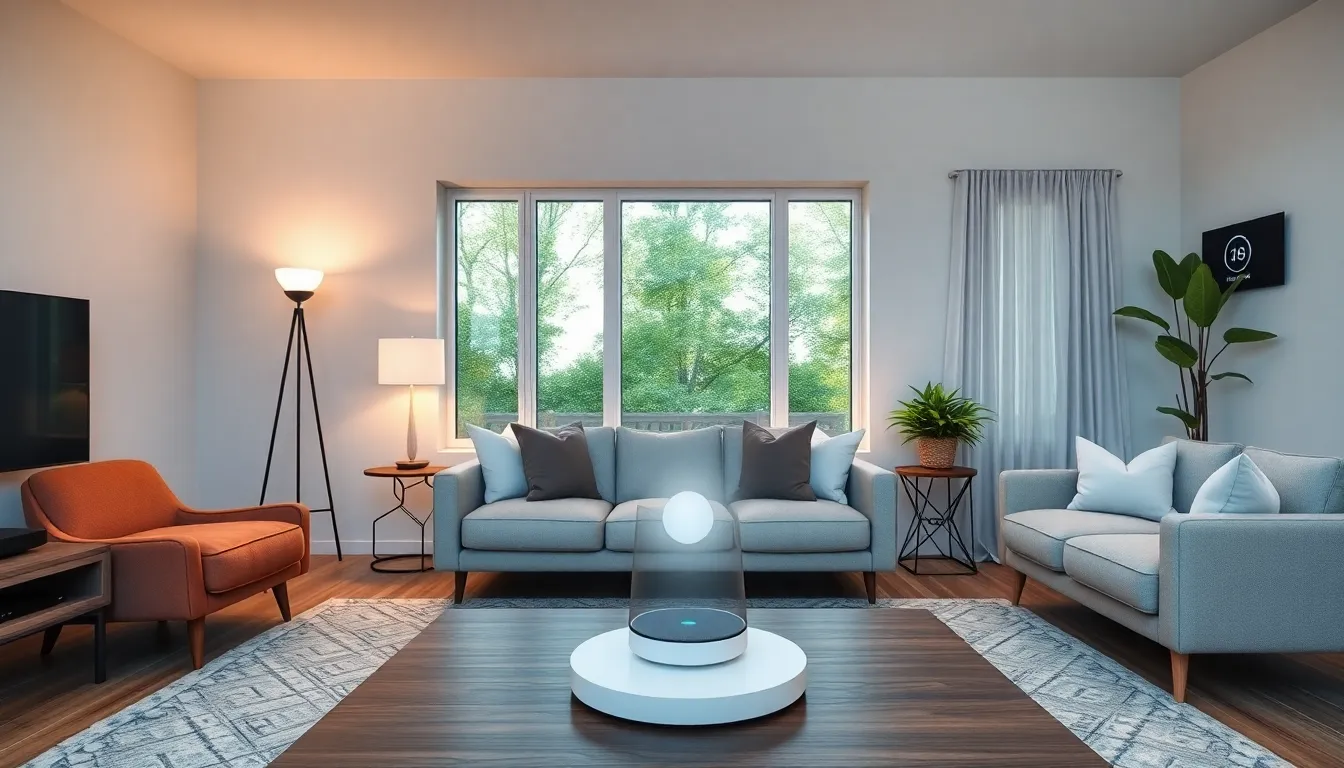
Open-source smart homes offer various advantages that appeal to homeowners. Flexibility and customization extend beyond basic functions, enabling users to tailor their systems to fit unique needs.
Flexibility and Customization
Flexibility is paramount in open-source smart homes. Users can mix and match devices from different brands without restrictions. Customizing settings and features accommodates individual lifestyles, enhancing the overall experience. Open-source platforms provide access to extensive libraries of plugins and add-ons. This availability allows easy integration of various smart devices, so users can innovate freely. Moreover, communities supporting platforms like Home Assistant and OpenHAB share configurations, enabling others to replicate or modify designs effortlessly.
Cost-Effectiveness
Cost-effectiveness significantly contributes to the appeal of open-source smart homes. Initial investments are often lower since there’s no need for expensive licensing fees. Access to an array of budget-friendly hardware options makes setup more affordable. Savings accumulate over time as users avoid ongoing subscription costs prevalent in proprietary systems. Additionally, the ability to repurpose existing devices reduces waste and minimizes expenses. Communities often share cost-saving tips and solutions, fostering an economy of resources that benefits all members.
Popular Open-Source Platforms
Open-source platforms for smart homes enable users to create highly customized environments. Different solutions cater to various needs and preferences.
Home Assistant
Home Assistant stands out for its versatility and extensive integration capabilities. It supports thousands of devices, allowing seamless interaction across brands. Users appreciate the flexible automation options enabled by its YAML-based configuration. Extensive documentation and vibrant community forums help new users quickly troubleshoot issues and learn best practices. Regular updates enhance functionality, ensuring compatibility with the latest devices. This platform focuses on privacy, providing local control of devices without reliance on cloud services.
OpenHAB
OpenHAB excels in its robust architecture and modular design. Users find it suitable for large installations through its ability to manage multiple protocols seamlessly. The system provides an intuitive user interface that adapts to various devices. Using a rule-based configuration approach, it allows complex automation tailored to user needs. Active community support ensures users can share experiences and solutions. Regular contributions from developers foster a collaborative environment conducive to innovation and feature enhancement.
Domoticz
Domoticz is recognized for its lightweight footprint and simplicity. It operates efficiently on low-power hardware, making it an excellent choice for cost-conscious users. Integration with various home automation protocols enhances its flexibility and device compatibility. Users benefit from its straightforward web interface, which provides easy control and monitoring capabilities. Active forums bring together users who exchange tips and configurations. Frequent updates keep the platform relevant and responsive to emerging technologies.
Implementation Considerations
Implementing an open-source smart home system involves careful thought about hardware and security. These considerations ensure optimal performance and safety.
Hardware Requirements
Selecting compatible hardware is crucial for a successful open-source smart home. Users must choose devices that support widely used protocols like Zigbee or Z-Wave. Raspberry Pi and similar single-board computers serve as popular options for running platforms like Home Assistant and OpenHAB. Sensors, switches, and cameras from various manufacturers can seamlessly integrate, provided they meet compatibility standards. Manufacturers with strong community support simplify the integration process. Users should evaluate power consumption, ensuring devices operate efficiently and securely. Furthermore, scaling is essential; opting for hardware with future expansion in mind can save time and costs down the line.
Security Concerns
Security remains a top priority in open-source smart home systems. Users often face the challenge of managing vulnerabilities without the safety net of commercial support. Regular updates from the community enhance security by addressing weaknesses proactively. It’s vital to configure devices to use secure passwords and enable encryption where available. Keeping software up to date minimizes risks associated with outdated code. Users benefit from understanding their network configuration, as isolated networks can reduce exposure to intrusions. Monitoring device activity provides an additional layer of security, alerting users to any potential threats. Emphasizing these protocols protects personal data and preserves user privacy effectively.
Conclusion
Open-source smart homes represent a transformative approach to home automation. By prioritizing flexibility and customization, they empower users to craft environments that truly reflect their needs and lifestyles. The ability to integrate devices from various brands without being locked into a single ecosystem enhances the overall experience.
With platforms like Home Assistant and OpenHAB, users benefit from robust community support and continuous innovation. This collaborative spirit not only fosters creativity but also ensures that security and privacy remain top priorities.
As technology continues to evolve, open-source solutions will likely lead the way, offering homeowners an adaptable and cost-effective path to smart living.