

In the great American dream, homeownership stands tall like a freshly mowed lawn on a Sunday morning. But what happens when neighborhoods start to feel like a game of musical chairs? The neighborhood ownership rate is more than just a statistic; it’s a reflection of community stability, pride, and that warm fuzzy feeling you get from knowing your neighbor’s dog has a name.
As urban landscapes evolve, understanding these ownership rates can unlock secrets to thriving communities. Are residents planting roots or just passing through? Let’s dive into the numbers and uncover why neighborhood ownership matters more than ever. Spoiler alert: it’s not just about the picket fences and backyard barbecues; it’s about building a sense of belonging that turns houses into homes.
Overview of Neighborhood Ownership Rate
Neighborhood ownership rates serve as a vital indicator of stability and community cohesion. In urban areas, higher ownership rates often correlate with reduced crime rates and enhanced civic engagement. A study by the U.S. Census Bureau in 2021 revealed that the national homeownership rate stood at approximately 65.8%. This statistic underscores the ongoing importance of homeownership in shaping community identities.
Active participation in homeownership promotes investment in local amenities. Residents invest in schools, parks, and public services. Such involvement fosters pride among homeowners, impacting neighborhood aesthetics and social interaction positively. For example, neighborhoods with ownership rates above 70% frequently demonstrate better maintenance of common areas.
Comparatively, regions with lower ownership rates can experience challenges, including increased transience and less community connection. Renters, while integral to the housing market, may not exhibit the same long-term commitment to a neighborhood’s development as owners. This difference highlights the complexities of urban dynamics as cities evolve.
Data illustrate variations in ownership rates across demographics. According to the U.S. Census Bureau, Black and Hispanic households experience lower ownership rates than their White counterparts, revealing systemic barriers in access to housing. Understanding these disparities is crucial for formulating policies that promote equitable growth within communities.
Overall, evaluating neighborhood ownership rates offers insights into community health. It sheds light on the relationship between individual homeownership and broader societal outcomes, helping stakeholders develop strategies that encourage investment and belonging in urban environments.
Factors Influencing Neighborhood Ownership Rate
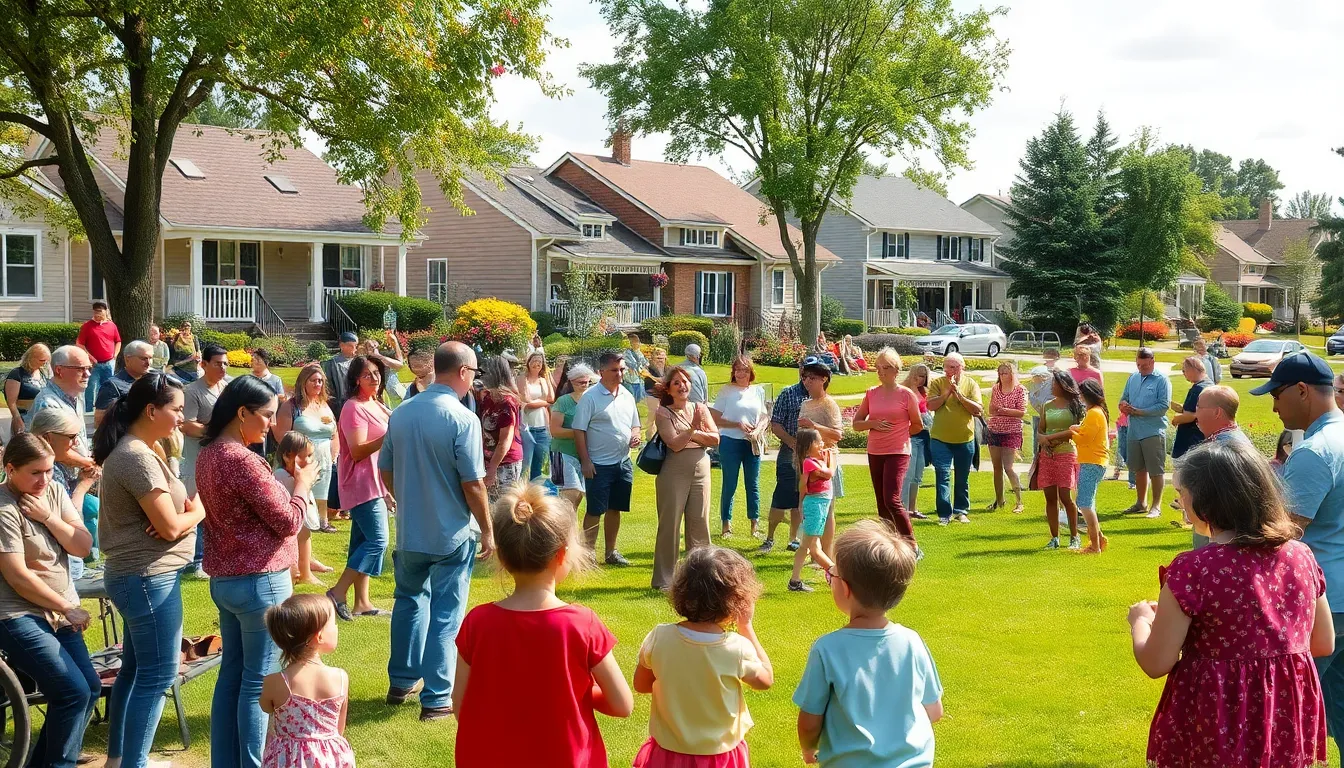
Neighborhood ownership rates depend on various factors that influence people’s ability and willingness to purchase homes.
Economic Factors
Economic stability significantly affects neighborhood ownership rates. In prosperous areas, higher employment levels and income growth support homebuying. Conversely, regions facing economic downturns often see reduced ownership as individuals struggle with unstable incomes. Interest rates on mortgages also impact ownership rates; lower rates encourage more home purchases, while high rates deter potential buyers. According to the U.S. Census Bureau, fluctuations in the median household income can predict changes in homeownership levels, emphasizing the close link between economic health and housing stability.
Social Factors
Social dynamics play a crucial role in determining ownership rates in neighborhoods. Large families and households with children tend to prioritize homeownership, fostering community ties and stability. Additionally, cultural attitudes toward renting versus owning can vary among different demographics, directly influencing ownership trends. Community involvement, such as participation in local organizations, correlates with higher ownership rates as invested residents often seek permanent homes in their neighborhoods. Furthermore, educational attainment affects ownership; individuals with higher education levels typically experience greater economic opportunities, including home purchasing.
Policy Impact
Housing policies shape neighborhood ownership rates significantly. Programs that provide first-time homebuyer assistance or down payment grants effectively incentivize homeownership. Zoning regulations also impact supply, affecting availability and affordability of housing. Policies targeting discrimination in housing reinforce fair access, helping marginalized communities overcome barriers to ownership. Various studies indicate that proactive policy frameworks lead to increased homeownership rates, contributing to community stability and cohesion.
Benefits of High Neighborhood Ownership Rate
Higher neighborhood ownership rates promote various benefits for communities. Ultimately, homeownership leads to enhanced community stability and stronger social ties.
Community Stability
Community stability thrives in areas with high ownership rates. Residents invested in their properties typically exhibit a stronger commitment to maintaining neighborhood integrity. Longer residency leads to enduring relationships among neighbors. Such connections foster a sense of security, which contributes to a lower crime rate. A 2021 report from the U.S. Census Bureau revealed that neighborhoods with ownership rates exceeding 70% often experience notably safer environments than those with lower rates. These dynamics create a reinforcing cycle where stability cultivates greater community investment and engagement. Strong community ties and shared responsibility ultimately enrich the overall living experience.
Increased Investment
Increased investment emerges naturally in neighborhoods with high homeownership rates. Homeowners actively contribute to local economies through home improvement and maintenance. They often spend on local services and businesses, boosting overall economic health. For example, neighborhoods with ownership rates around 65% consistently report improvements in public amenities, parks, and local infrastructure. Such investments enhance property values and attract new residents. Additionally, homeownership encourages participation in local governance and civic activities. This engagement leads to collective action on community issues, reinforcing community identity and pride.
Challenges Facing Neighborhood Ownership Rate
Neighborhood ownership rates face various challenges limiting their growth. Understanding these obstacles is crucial for developing effective strategies to enhance community stability.
Financial Barriers
Financial barriers significantly hinder homeownership opportunities. High property prices and rising interest rates restrict access for many prospective buyers. Many individuals lack the necessary down payments or face challenges securing favorable mortgage conditions. Additionally, systemic inequalities disproportionately affect marginalized communities, leading to reduced access to credit. A 2021 U.S. Census Bureau report highlights that approximately 50% of renters express concern about affordability, illustrating the urgency of these financial challenges. Addressing these barriers requires targeted programs that offer assistance and promote equitable access to housing finance.
Market Fluctuations
Market fluctuations create instability in neighborhood ownership rates. Economic downturns often result in decreased home values and tighter lending conditions. As a result, potential buyers might hesitate to invest in uncertain markets, leading to increased rental demand. Local economies also suffer as homeowners face difficulties due to unpredictable property values. This cycle can further exacerbate ownership disparities, particularly in vulnerable areas. Data from the Federal Housing Finance Agency reveals an average home price decline of 2.7% in 2022, underscoring the impact of market instability on ownership trends. Proactive measures and support for local economies are essential for stabilizing ownership rates in affected neighborhoods.
Case Studies of Successful Neighborhood Ownership
In various cities, successful neighborhood ownership initiatives highlight the benefits and strategies that enhance community stability. One notable example is the neighborhood of Brookland in Washington, D.C. This area shifted from a predominantly renting community to one with a homeownership rate exceeding 75%. Local organizations provided first-time homebuyer workshops, which equipped residents with essential knowledge about financing options.
Another successful case emerges from the East Lake community in Atlanta, Georgia. A comprehensive revitalization effort over the past two decades transformed it from a high-crime area to a thriving neighborhood with a 68% homeownership rate. This success stemmed from strategic investments in affordable housing and community development along with resident engagement initiatives.
In Minneapolis, targeted policies focused on equitable access to housing led to an increase in ownership rates among minority groups. The city implemented financial assistance programs, resulting in a 15% increase in homeownership among Black and Hispanic families in just five years.
Baltimore’s neighborhoods also provide insights into fostering ownership. The city launched a program that incentivized homebuyers by covering closing costs and offering low-interest loans. This initiative contributed to a 20% increase in homeownership rates in eligible areas, demonstrating the impact of accessible financial support.
These case studies illustrate that strategic approaches, community engagement, and supportive policies drive successful neighborhood ownership rates. Each example shows that sustained efforts can lead to lasting change. Community investment plays a crucial role in transforming neighborhood dynamics, creating environments where residents feel a sense of belonging and pride.
Conclusion
Neighborhood ownership rates play a crucial role in shaping community dynamics and fostering a sense of belonging. Higher ownership rates contribute to stability and pride while enhancing social ties and reducing crime. Addressing the disparities in ownership is vital for creating equitable opportunities for all residents.
Proactive policies and community engagement can drive successful initiatives that increase ownership rates, transforming neighborhoods into thriving spaces. As communities continue to evolve, understanding and improving these rates will remain essential for fostering environments where individuals feel invested and connected.