

Baby boomers have long been the trendsetters of their time, from rock ‘n’ roll to the rise of the internet. Now, as they navigate retirement, homeownership remains a hot topic. With their homes often serving as both a sanctuary and a financial asset, understanding their unique position in the housing market is crucial.
Overview Of Baby Boomers Homeownership
Baby boomers significantly influence the housing market, emphasizing the importance of homeownership during retirement. Understanding this demographic’s historical context and current trends reveals their unique position in residential properties.
Historical Context
Baby boomers, born between 1946 and 1964, saw dramatic shifts in the housing market over the decades. In the 1970s, many entered the workforce, leading to increased demand for homes. The 1980s saw a surge in homeownership as economic prosperity allowed for greater access to mortgages. By the 1990s, this generation experienced home equity gains, solidifying property ownership as a cornerstone of wealth. Homeownership rates peaked in the early 2000s, marking a significant era for baby boomers, who viewed homes as valuable assets and family legacies.
Current Trends
Today’s baby boomers reflect changing preferences regarding homeownership. Approximately 78% of this generation owns homes, yet many opt to downsize or relocate to retirement communities. Aging populations prioritize single-story homes or properties equipped with amenities that promote accessibility. Additionally, financial considerations influence decisions, with many leveraging home equity for retirement needs. Investments in sustainable communities are gaining traction, persuading boomers to seek eco-friendly living options. The desire for community engagement also shapes their housing choices, encouraging a shift from urban to suburban living.
Factors Influencing Homeownership Among Baby Boomers
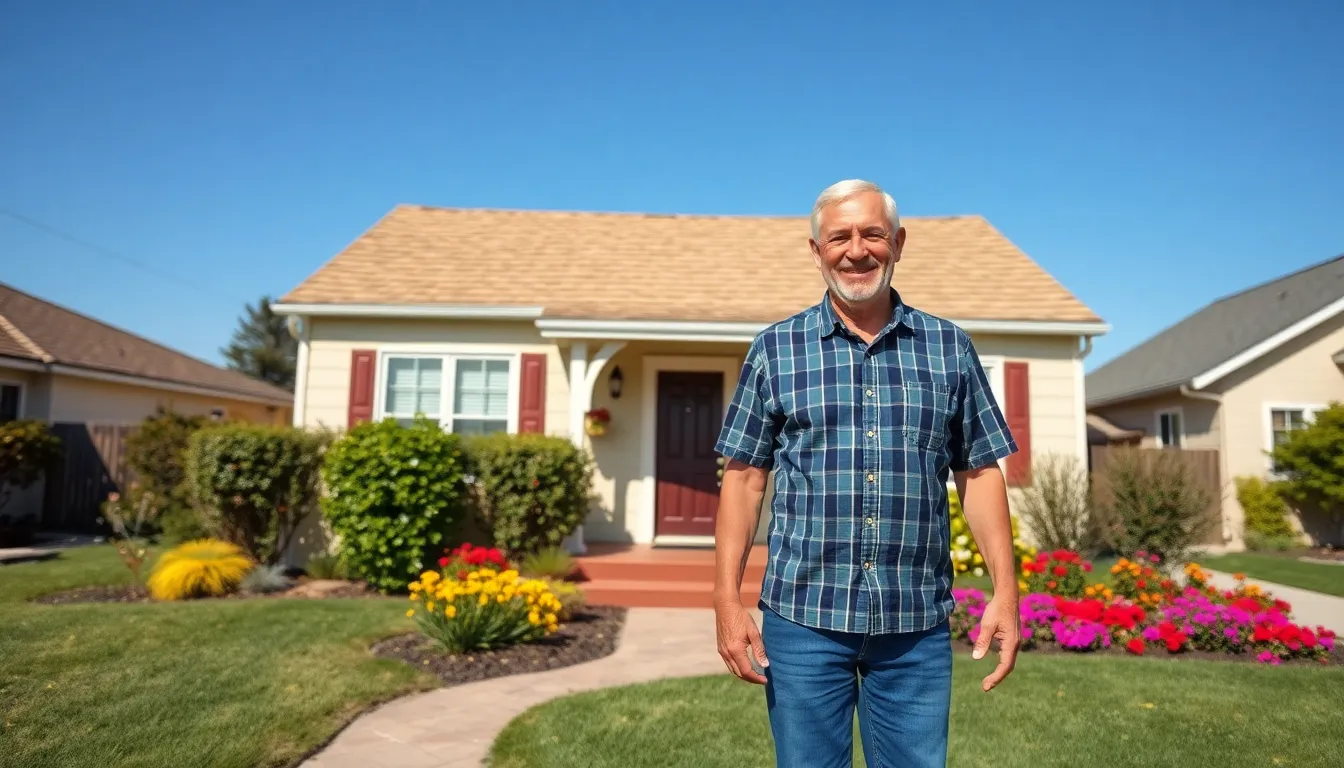
Homeownership among baby boomers relies on various factors that shape their decisions and actions in the housing market.
Economic Variables
Economic factors play a significant role in homeownership rates among baby boomers. Rising home values influence the equity many boomers have built over decades. Approximately 78% of baby boomers own homes, and many look to cash in their investments as they consider downsizing. Interest rates directly impact affordability; lower rates encourage purchasing and refinancing. Additional economic trends, such as retirement savings and social security benefits, also contribute to financial stability. Housing market shifts, including a preference for single-story homes, further guide their decision-making process.
Social Considerations
Social factors significantly influence baby boomers’ homeownership trends. Strong connections with community promote a desire for neighborhood engagement. Many boomers seek locations that offer amenities and social opportunities, particularly in retirement communities. Accessibility features attract those with health considerations, ensuring they maintain independence and comfort. The shift from urban areas to suburban living highlights an emphasis on family proximity and lower population density. Additionally, preferences for sustainable living influence housing choices, as many boomers prioritize green homes and eco-friendly environments.
Challenges Faced By Baby Boomers In Homeownership
Baby boomers encounter several challenges in homeownership as they transition into retirement. Understanding these difficulties can provide insights into their housing choices.
Financial Challenges
Rising home values pose significant financial challenges for baby boomers. Many face stagnant retirement savings, limiting their purchasing power. Selling a family home can yield profits, but high costs associated with new properties often diminish returns. Increased property taxes and insurance premiums complicate the financial landscape further. Nearly 30% of baby boomers lack adequate savings to support their desired lifestyle in retirement. As a result, careful financial planning becomes crucial for maintaining homeownership and addressing unexpected expenses.
Maintenance and Upkeep
Maintenance tasks present ongoing hurdles for baby boomers. Aging bodies affect the ability to manage repairs and upkeep, leading to a reliance on professional services. Home maintenance costs can be substantial, with average annual expenses reaching $1,000 or more. Many boomers seek single-story homes to ease accessibility, yet those properties still require routine maintenance. Additionally, the emotional weight of long-time homes can complicate decisions about repairs. Thus, balancing comfort and financial commitments in maintaining homes remains a critical concern for this generation.
The Future Of Baby Boomers Homeownership
The landscape of baby boomers’ homeownership is evolving. Market trends indicate significant shifts in their housing choices as they navigate retirement.
Market Predictions
Analysts predict that by 2030, homeownership among baby boomers might decline to around 71%. Rising rental demand in urban areas suggests that many boomers could transition from ownership to renting, enabling flexibility in their living situations. Increased interest in urban areas emphasizes the potential for a more transient lifestyle as this generation values mobility. Financially, many baby boomers could prioritize liquidity over property ownership, leading to larger investments in experiences rather than traditional houses. The combination of these factors alludes to a gradual shift in market dynamics directly influenced by the preferences and needs of this generation.
Shifts In Housing Preferences
A notable trend involves baby boomers seeking smaller, more manageable homes. They prioritize single-story layouts and properties equipped with accessibility features. Proximity to family and community amenities is crucial, driving many towards neighborhoods that foster social interactions. Preferences for low-maintenance homes reflect a desire for less upkeep and more leisure time. Additionally, eco-friendly housing options have attracted attention as many boomers express a commitment to sustainability. The push for lifestyle-focused living spaces signifies a transformative phase in the market as this generation navigates their retirement choices.
Conclusion
Baby boomers are at a pivotal moment in their homeownership journey. As they transition into retirement they’re redefining their housing needs and preferences. Their choices reflect a blend of financial savvy and a desire for community and accessibility.
With a significant portion of this generation looking to downsize or relocate they’re influencing the housing market in unique ways. The shift toward smaller homes and eco-friendly options showcases their commitment to sustainability and quality of life.
As baby boomers continue to navigate these changes understanding their motivations and challenges will be crucial for real estate professionals and communities alike. This generation’s evolving needs will undoubtedly shape the future of homeownership in the years to come.