

When it comes to adorable little ones, bad breath might not be the first thing that comes to mind. But if you’ve ever caught a whiff of your one-year-old’s breath that could knock a grown adult off their feet, you know it’s a real thing. Baby bad breath can be as surprising as finding out that your little angel can throw a tantrum in the cereal aisle.
Understanding Baby Bad Breath in 1 Year Olds
Bad breath in one-year-olds can often catch parents off guard. Several common causes contribute to this issue, and awareness is key.
Common Causes
Food remnants frequently promote bacteria growth in the mouth. Cheesy snack foods, pureed fruits, and other favorites can stick to teeth and gums, leading to odor. Dry mouth may also occur due to decreased saliva production during sleep or illness. In addition, teething can contribute to bad breath as bacteria thrive around inflamed gums. Poor oral hygiene plays a critical role since plaque buildup leads to persistent smells. Lastly, underlying health conditions such as allergies or gastrointestinal issues might influence breath quality.
When to Be Concerned
Parents should monitor bad breath that appears suddenly or worsens over time. A persistent odor can indicate dental issues like cavities or infections. Additionally, if a child experiences other symptoms such as fever, difficulty eating, or excessive drooling, it warrants a professional evaluation. Noting any unusual changes in a child’s oral health can help identify potential concerns. Seeking advice from a pediatrician or dentist becomes important if bad breath persists despite good oral care practices.
Home Remedies for Baby Bad Breath
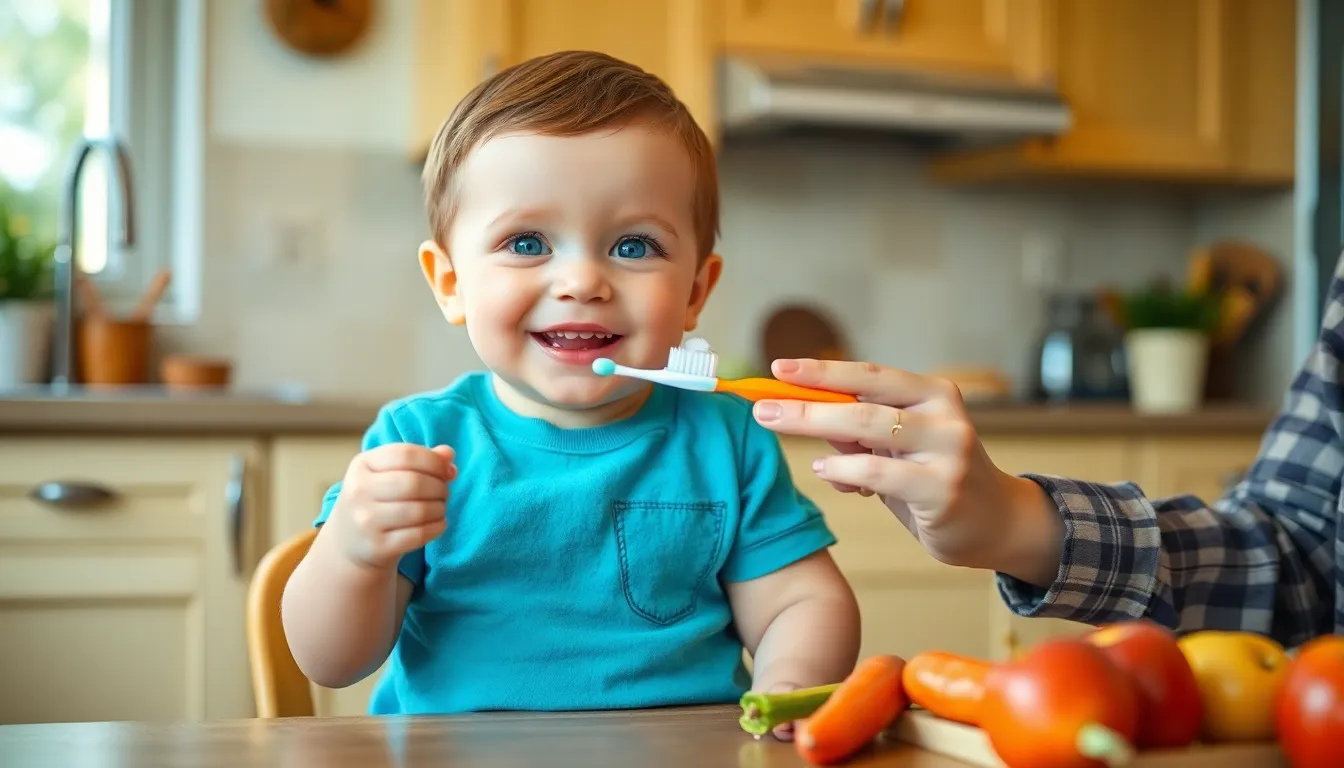
Addressing baby bad breath effectively involves practical home remedies that promote better oral hygiene and nutritious eating habits.
Oral Hygiene Tips
Promoting regular brushing helps decrease bacteria buildup. A soft-bristled toothbrush suited for infants enables effective cleaning. Using a small amount of fluoride-free toothpaste is advisable for this age. Wiping gums with a clean, damp cloth after feedings removes sugar residue. Ensuring that parents or caregivers supervise these activities fosters the development of good oral hygiene practices. Additionally, regular dental check-ups after the first tooth emerges contribute to healthy dental habits.
Dietary Considerations
Incorporating crunchy fruits and vegetables aids in cleaning teeth naturally. Carrots, apples, and cucumbers stimulate saliva production, which combats dry mouth. Limiting sugary snacks reduces the risk of cavities and bacteria growth. Ensuring proper hydration supports saliva flow, enhancing oral health. Offering plenty of water throughout the day can diminish bad breath. Providing balanced meals contributes to overall well-being.
Medical Conditions Linked to Bad Breath
Bad breath in one-year-olds sometimes signals underlying medical conditions. Understanding these links can help parents identify and address issues effectively.
Gastrointestinal Issues
Gastrointestinal issues in young children can lead to bad breath. Conditions like gastroesophageal reflux disease (GERD) may cause stomach acid to reach the throat, contributing to odor. Children with constipation or other digestive problems may have foul-smelling breath due to food not being processed properly. Symptoms accompanying gastrointestinal problems often include abdominal pain, bloating, or changes in bowel habits. Parents should consult a healthcare professional if these symptoms arise.
Respiratory Infections
Respiratory infections can also be a source of bad breath in toddlers. Conditions such as sinusitis or pharyngitis often lead to postnasal drip. This can create an environment for bacteria, resulting in unpleasant odors. Coughing, nasal congestion, and sore throat are common signs of respiratory infections. Monitoring these symptoms alongside bad breath is crucial. Seeking medical advice becomes essential if the infection causes persistent or worsening bad breath.
Professional Treatment Options
Addressing baby bad breath requires professional attention in some cases. For persistent or concerning symptoms, parents should explore specific treatment options that ensure a child’s health.
Pediatric Dental Visits
Scheduling a pediatric dental visit becomes crucial after a child’s first tooth appears. Dentists assess oral hygiene, detect any dental issues, and provide tailored advice for home care. During these appointments, professionals can offer cleanup tips that target food debris and plaque. Dentists might recommend fluoride treatments or antibacterial mouth rinses to assist halitosis. Regular check-ups maintain not only oral health but also facilitate a better understanding of changing dental needs as children grow.
When to Consult a Pediatrician
Consulting a pediatrician becomes essential when bad breath is sudden or accompanied by other symptoms. Signs such as fever, abdominal pain, or difficulty eating may indicate underlying health conditions that require a doctor’s evaluation. Gastrointestinal issues and respiratory infections contribute to foul odor and need timely assessment. A pediatrician can guide further testing or referrals to specialists if necessary. Parents should remain vigilant about their child’s symptoms and seek medical advice promptly to ensure overall well-being.
Addressing baby bad breath in one-year-olds is essential for maintaining their overall health and well-being. Parents should stay vigilant and recognize that persistent bad breath may signal underlying issues requiring professional attention.
Implementing good oral hygiene practices and monitoring dietary habits can significantly improve their child’s breath. Regular dental check-ups and consultations with pediatricians are crucial for addressing any concerning symptoms.
By taking these proactive steps, parents can help ensure their little ones enjoy a healthy and happy smile.