

Imagine living in your dream home while someone else pays your mortgage. Sounds like a fantasy, right? Welcome to the world of house hacking, where creativity meets financial savvy. It’s not just a trend; it’s a smart strategy for savvy homeowners looking to maximize their investment and minimize their living expenses.
What Is House Hacking 101?
House hacking allows homeowners to maximize their property investment by generating rental income. This strategy involves renting out part of a home or the entire property, helping to offset mortgage payments and living expenses. Many homeowners choose to live in one unit while renting out others in multi-family homes.
Different methods of house hacking exist. For instance, an owner can rent out a spare bedroom to a roommate or list their property on short-term rental platforms like Airbnb. Some homeowners convert basements or garages into separate living spaces, providing additional rental options.
Financial benefits accompany house hacking. Homeowners often see reduced monthly housing costs, which can lead to increased cash flow. Owning property becomes more manageable as rental income can cover large portions of mortgage payments.
House hacking isn’t limited to single-family homes. Investors can apply this approach to multi-family units, facilitating higher rental returns. The potential for continuous income enhances property value, contributing to long-term financial growth.
Real estate enthusiasts frequently endorse house hacking. It represents an accessible way for new investors to enter the market while minimizing risk. The right approach can significantly improve financial stability and open up further investment opportunities.
Adopting house hacking can transform a homeowner’s financial landscape. With the ability to live comfortably while earning money, this strategy effectively combines lifestyle with financial savvy.
Benefits of House Hacking
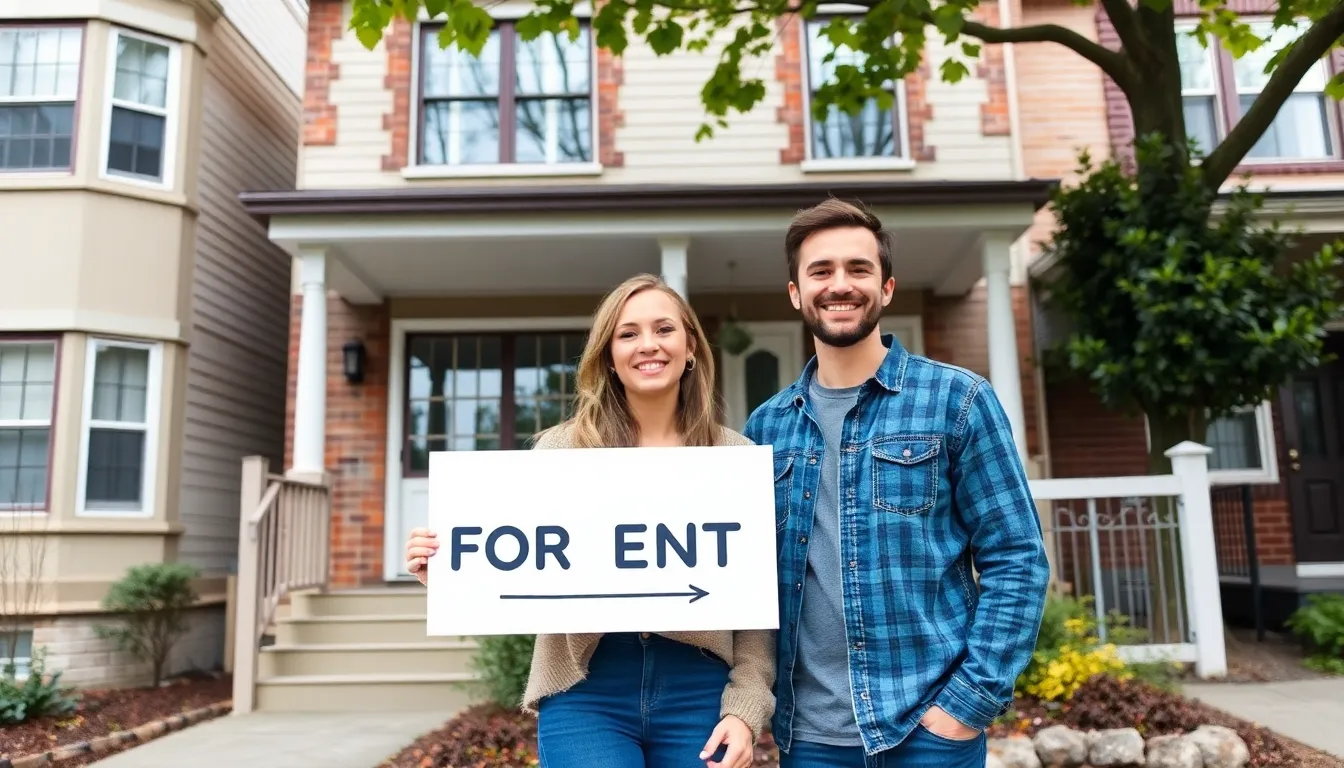
House hacking offers several financial advantages for homeowners. By sharing living space, they can reduce overall housing costs while still enjoying their desired home.
Financial Freedom
Renting out a portion of the home allows for significant savings. Successful house hackers often see their mortgage payments, or a portion of them, covered entirely by rental income. Increased cash flow means more flexibility in budget allocation, allowing homeowners to invest in other opportunities or save for future expenses. The strategy reduces financial burdens, making it easier to manage other bills and debts. Real estate experts highlight that this method provides a straightforward entry point into property ownership, minimizing risks and enhancing financial independence.
Building Equity
House hacking contributes to building equity over time. Benefiting from rental income enables homeowners to pay down the mortgage faster, which directly increases property value. As tenants contribute financially, the homeowner’s equity grows steadily. This approach becomes especially beneficial when property values appreciate. In multi-family units, this growth is even more pronounced, as multiple rental streams enhance both cash flow and equity. Diversification of income sources leads to long-term wealth accumulation, making house hacking a strategic financial move.
Different House Hacking Strategies
Various strategies exist for house hacking, each catering to different homeowner needs and property types. Implementing the right tactic can significantly enhance financial returns.
Renting Out a Room
Renting out a room represents one of the simplest house hacking methods. Homeowners can leverage extra space by welcoming a tenant, whether it’s a long-term renter or a short-term guest through platforms like Airbnb. This arrangement directly reduces mortgage costs while providing the landlord additional income. Typically, homeowners retain privacy and control over shared areas, making this an attractive option for many. Rental agreements can be structured flexibly, allowing for adjustment based on market demand or personal preferences.
ADUs (Accessory Dwelling Units)
ADUs significantly expand property utilization potential. These self-contained living spaces, such as basements, garages, or separate tiny homes on the same lot, can be rented out to generate steady income streams. Building an ADU requires zoning approval, but once established, it typically increases property value while covering ongoing expenses. Targeting long-term tenants or short-term vacationers can optimize rental income, depending on the homeowner’s goals. Such investments often enable homeowners to enhance their overall real estate process and achieve a stronger financial standing.
Multi-Family Properties
Multi-family properties offer diverse investment opportunities. Owning a duplex, triplex, or fourplex allows for multiple rental units within one building, creating several income streams at once. These properties can significantly offset mortgage payments while building equity faster compared to single-family homes. New investors can benefit from lower vacant rates, as losing a tenant still means other units generate income. Location and property management matter greatly; responsible upkeep and good relationships with tenants can maximize profitability. Additionally, multi-family properties often enjoy higher appreciation rates, contributing to long-term wealth accumulation.
How to Get Started with House Hacking
Getting started with house hacking involves several strategic steps. Homeowners need to evaluate their property and find suitable tenants to maximize the benefits of this investment method.
Assessing Your Property
Homeowners must begin by assessing their property’s potential. Analyzing available space is crucial; identifying spare bedrooms, basements, or garages can provide immediate opportunities for rental income. Zoning laws and regulations play a significant role, as they determine what modifications are necessary. Homeowners also consider the property’s location, as desirable neighborhoods generally attract better tenants. Understanding the local rental market’s rates can help set competitive prices for rentals, which will ensure steady cash flow. The property’s condition should be reviewed, emphasizing the need for repairs or renovations before listing.
Finding Tenants
Finding the right tenants requires a proactive approach. Utilizing online platforms, such as rental websites or social media, can expand exposure and attract a wider audience. Creating an appealing rental listing is essential; including high-quality photos and accurate descriptions will draw interest. Networking within community groups can also generate leads for potential tenants. Screening candidates thoroughly helps ensure responsible and reliable renters; performing background and credit checks is often advisable. Building a good relationship with tenants fosters a positive renting experience, contributing to long-term success in house hacking endeavors.
Tips for Successful House Hacking
Successful house hacking combines clear communication and a strong understanding of legalities. Homeowners must prioritize these aspects to maximize their investment potential.
Clear Communication
Establishing open lines of communication with tenants is vital. Clear expectations regarding rent, utilities, and house rules help in creating a harmonious living environment. Utilize various methods, such as meetings and written agreements, to ensure everyone understands their responsibilities. Be approachable and responsive to tenant concerns, fostering trust and cooperation. Regular check-ins can also prevent misunderstandings, enhancing the rental experience. Transparency about property changes or maintenance schedules keeps tenants informed and engaged. Ultimately, effective communication leads to satisfied tenants and a more profitable house hacking venture.
Understanding Legalities
Navigating legal requirements is essential for successful house hacking. Familiarizing oneself with local landlord-tenant laws helps avoid potential disputes. Zoning regulations must be understood, particularly when converting spaces or adding units like Accessory Dwelling Units (ADUs). Ensuring compliance with safety standards and tenant rights is crucial. Obtaining necessary permits for renovations or rentals protects property investments. Landlords must also be aware of fair housing laws to prevent discrimination. Consulting with a real estate attorney can clarify complex legalities, offering additional peace of mind. Effective legal knowledge forms the backbone of sustainable house hacking strategies.
House hacking offers a practical solution for homeowners wanting to reduce living expenses while maximizing their property investment. By generating rental income, individuals can ease financial burdens and create opportunities for wealth accumulation.
Whether through renting spare rooms or exploring multi-family units, the potential for increased cash flow and equity growth is significant. With careful tenant selection and responsible property management, homeowners can enjoy a harmonious living environment while reaping the financial benefits.
Adopting house hacking not only enhances financial stability but also opens doors to future investment possibilities. It’s a smart strategy for those ready to blend their lifestyle with sound financial planning.