

In today’s fast-paced world, home technology has transformed the way people live, making everyday tasks simpler and more efficient. From smart appliances to advanced security systems, these innovations not only enhance convenience but also improve overall quality of life. As technology continues to evolve, homeowners are increasingly embracing these advancements to create a more connected and comfortable living environment.
Imagine controlling lights, temperature, and even entertainment systems with just a voice command or a tap on a smartphone. This is no longer a futuristic dream; it’s the reality of modern living. As home technology becomes more accessible, understanding its benefits and potential can empower individuals to make informed decisions about their homes.
Overview of Home Technology
Home technology encompasses devices and systems designed to improve daily living through automation, connectivity, and efficiency. Smart home devices include appliances, security systems, lighting, and climate control, allowing homeowners to manage various functions seamlessly.
Smart Appliances
Smart appliances feature connectivity options and integration with home networks. These devices, such as refrigerators, ovens, and washers, enhance convenience by offering remote access and automation features. For example, users can preheat ovens or monitor food stock levels using mobile apps.
Advanced Security Systems
Advanced security systems provide enhanced safety through smart cameras, doorbell cameras, and alarm systems. Homeowners can receive real-time alerts and access live footage through smartphone applications. Options like smart locks enable secure entry with keyless access.
Energy Management
Energy management systems contribute to energy efficiency in homes. Smart thermostats, for instance, learn user habits and adjust heating or cooling accordingly. This technology can reduce energy costs while maintaining comfort levels.
Home Automation
Home automation systems integrate various technologies to enable centralized control. Users can manage multiple devices using voice commands or single apps. Common integrations include lighting, entertainment systems, and window treatments, promoting a cohesive smart home environment.
Voice Assistants
Voice assistants like Amazon Alexa and Google Assistant facilitate hands-free control over home technology. They enable users to manage devices, play music, check weather forecasts, and more through simple voice commands, enhancing overall convenience.
Connectivity and Integration
Connectivity is crucial for home technology, with Wi-Fi and Bluetooth serving as the primary communication methods between devices. Successful integration often requires a reliable internet connection, enabling seamless interaction among smart home products.
Home technology evolves rapidly, influencing how people interact with their living spaces. By adopting these innovations, homeowners enjoy increased efficiency and improved quality of life.
Types of Home Technology
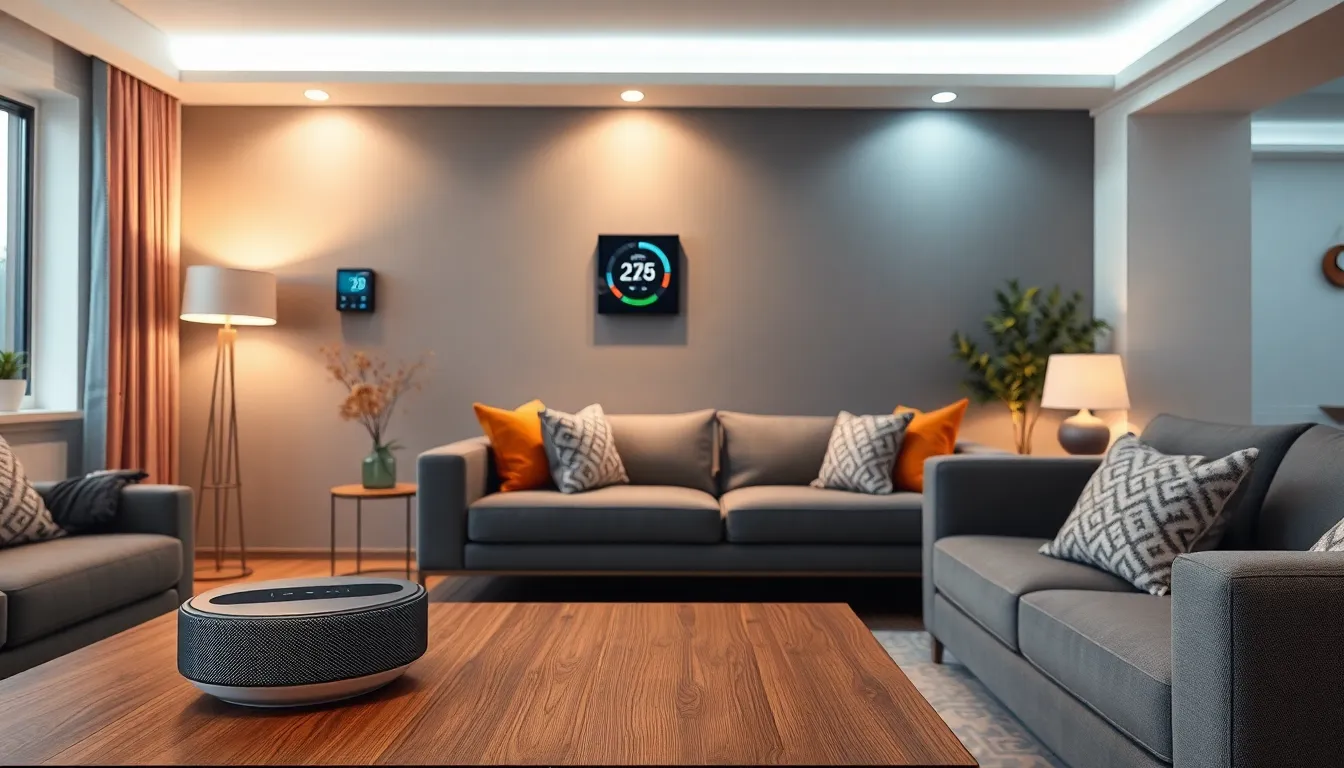
Home technology encompasses various devices and systems enhancing daily living. These innovations focus on automation, connectivity, and energy efficiency.
Smart Home Devices
Smart home devices include appliances and systems connected to the internet, allowing remote control and monitoring. Examples include smart thermostats, smart speakers, and smart lights. Smart thermostats like the Nest Learning Thermostat adjust home temperatures automatically based on user habits. Smart speakers, such as Amazon Echo, enable voice-activated control over music, lighting, and other smart devices. Smart lights, including Philips Hue, offer customizable lighting options that can be controlled remotely. These devices enhance convenience and provide users with greater control over their living environments.
Home Automation Systems
Home automation systems integrate multiple smart devices into a cohesive network for streamlined management. Examples include platforms like Google Home and Apple HomeKit. Google Home connects various smart devices, enabling users to create routines, such as turning off all lights and locking doors with a single command. Apple HomeKit offers a secure hub for managing compatible devices using an iPhone or iPad. These systems promote efficiency by allowing users to automate everyday tasks, enhancing the interconnected experience throughout the home.
Energy Management Solutions
Energy management solutions assist homeowners in monitoring and optimizing energy usage. Examples include smart thermostats, energy monitors, and smart plugs. Smart thermostats help regulate heating and cooling, reducing energy costs while maintaining comfort. Energy monitors track electricity usage in real-time, providing insights to make informed decisions. Smart plugs allow users to control devices remotely, minimizing unnecessary energy consumption. These solutions contribute to environmentally friendly practices while delivering financial savings.
Benefits of Home Technology
Home technology offers numerous advantages that significantly enhance daily living. These innovations streamline tasks, improve security, and provide a greater sense of comfort in any home environment.
Convenience and Comfort
Smart home devices enhance convenience by allowing users to control various functions remotely. Homeowners manage appliances like thermostats, lights, and entertainment systems through smartphones or voice commands, simplifying everyday tasks. Automated scheduling enables devices to operate based on personal routines, achieving optimal comfort without manual adjustments. For example, smart thermostats learn user preferences and automatically adjust temperatures, ensuring a comfortable climate. Additionally, smart lighting systems can be dimmed or turned on/off remotely, providing tailored ambiance for any occasion.
Enhanced Security
Home technology significantly boosts security through innovative surveillance and alarm systems. Smart security cameras provide real-time monitoring and alerts, allowing homeowners to keep an eye on their property remotely. Advanced alarm systems, equipped with motion detection and smartphone notifications, help prevent unauthorized access. Additionally, smart doorbells enable homeowners to see and communicate with visitors without opening the door, enhancing safety. Integration with home automation systems ensures that security measures operate seamlessly, offering peace of mind and protection against potential threats.
Challenges and Considerations
Home technology, while beneficial, presents several challenges and considerations for homeowners. Understanding these factors is essential for making informed decisions about technology adoption.
Privacy and Security Concerns
Privacy and security concerns arise with increased connectivity and data usage in smart home devices. Many devices collect personal data, which can lead to potential misuse if adequately protected. Homeowners must consider the reputation of device manufacturers and the security measures they implement. Using strong, unique passwords, enabling two-factor authentication, and regularly updating software can mitigate these risks. Furthermore, controlling network access and understanding data-sharing practices enhances overall security and protects user privacy.
Cost Factors
Cost factors significantly influence the decision to adopt home technology. While upfront investments in smart devices and systems can appear high, long-term savings through energy efficiency and automation can offset these costs. Homeowners should evaluate their budgets and consider hidden costs, such as installation fees, subscription services, and maintenance expenses. Comparing the functionality of various devices can also help identify the best value options, ensuring that technology aligns with financial capabilities and meets household needs.
Future Trends in Home Technology
Home technology continues to evolve rapidly, influencing the way people manage their living spaces. Several trends emerge as critical components in this ongoing transformation.
- Integration of Artificial Intelligence (AI)
AI integration improves home automation, enhancing user experience and device efficiency. Smart assistants learn user preferences, optimizing functionality based on individual lifestyles. For instance, AI can adjust lighting and heating automatically based on occupancy patterns.
- Increased Interoperability
Interoperability among devices ensures seamless operation, allowing products from various manufacturers to work together. Smart home ecosystems grow more cohesive, enabling better management through single platforms like Google Home and Amazon Alexa.
- Expansion of Voice Control
Voice control becomes more prevalent, offering hands-free convenience for managing home functions. As natural language processing improves, users experience more intuitive interactions with their devices, streamlining everyday tasks like adjusting temperature and controlling security systems.
- Enhanced Home Security Solutions
Security technologies advance with features such as biometric access, facial recognition, and real-time monitoring. Smart locks and cameras provide homeowners with better protection and peace of mind, facilitating remote management through smartphones.
- Focus on Energy Efficiency
Energy-efficient technologies gain popularity, driven by environmental sustainability. Smart thermostats, energy monitoring systems, and automated lighting contribute to reduced energy consumption, offering both ecological benefits and cost savings.
- Health and Wellness Integration
Home technology incorporates wellness features, such as air quality monitors and smart sleep systems. Devices tracking indoor air quality or adjusting lighting for better sleep patterns support healthier living environments.
- Growth of DIY Smart Home Solutions
The market sees a surge in DIY solutions, allowing homeowners to customize their smart environments according to personal preferences. Modular devices and user-friendly installation create opportunities for individuals to enhance their homes without professional assistance.
- 5G Connectivity
The rollout of 5G technology significantly enhances the speed and reliability of smart home devices. Increased bandwidth supports more devices per household, promoting a smoother experience for data-intensive applications like streaming and real-time monitoring.
- Privacy and Security Innovations
As privacy concerns rise, advancements in cybersecurity measures unfold. Manufacturers focus on transparent data practices and enhanced encryption methods, assuring consumers that data protection remains a priority in smart home systems.
- Customization and Personalization
Future home technology trends emphasize tailored experiences, offering products that adapt to individual preferences. Customization in interfaces and functionalities enhances user satisfaction while promoting engagement with smart home systems.
These trends signify a dynamic shift in home technology, illustrating how innovations continue to reshape living environments. Homeowners can expect increasingly sophisticated solutions that focus on ease of use, efficiency, and security.
Home technology continues to reshape the way people live by offering convenience security and efficiency. As homeowners embrace these innovations they find themselves enjoying a more connected lifestyle that simplifies daily tasks. The integration of smart devices and automation systems not only enhances comfort but also promotes energy savings and safety.
Looking ahead the evolution of home technology promises even greater advancements. With trends like AI integration and increased device interoperability homeowners can expect a seamless and personalized experience. By staying informed about these developments individuals can make better choices that align with their needs and enhance their living environments. Adopting smart home technology is no longer just a trend but a pathway to a more efficient and enjoyable home life.