
As technology evolves, smart homes have become a reality for many. The convenience of controlling everything from lights to thermostats with just a voice command or a tap on a smartphone has transformed daily living. However, not all devices play well together, and understanding smart home compatibility is crucial for a seamless experience.
Navigating the maze of brands and protocols can be overwhelming. With various ecosystems like Google Home, Amazon Alexa, and Apple HomeKit, choosing the right products that work together is essential. This article explores the importance of compatibility in smart home devices and offers insights on how to create an integrated and efficient smart home environment.
Understanding Smart Home Compatibility
Smart home compatibility refers to the ability of various smart devices to communicate and work together seamlessly. This compatibility is crucial for creating an integrated environment that enhances user experience and convenience.
Definition of Smart Home Compatibility
Smart home compatibility involves the interoperability of devices across different brands and ecosystems. It ensures that devices like smart speakers, thermostats, cameras, and lights communicate effectively, allowing users to control them using a single interface. Common standards include Wi-Fi, Zigbee, and Z-Wave, along with protocols like Matter, which aim to unify device communication.
Importance in Contemporary Living
Smart home compatibility plays a vital role in modern living by promoting efficiency and convenience. Devices from different manufacturers can function together, providing a cohesive experience. Homeowners can automate tasks, such as adjusting lighting or temperature based on their preferences. Enhanced compatibility reduces frustration, enabling smoother transitions between devices. Additionally, it contributes to energy efficiency by allowing users to monitor and optimize their home systems collectively. Ultimately, understanding compatibility leads to smarter investment choices, ensuring that users select devices that will work together effectively.
Key Factors Influencing Compatibility

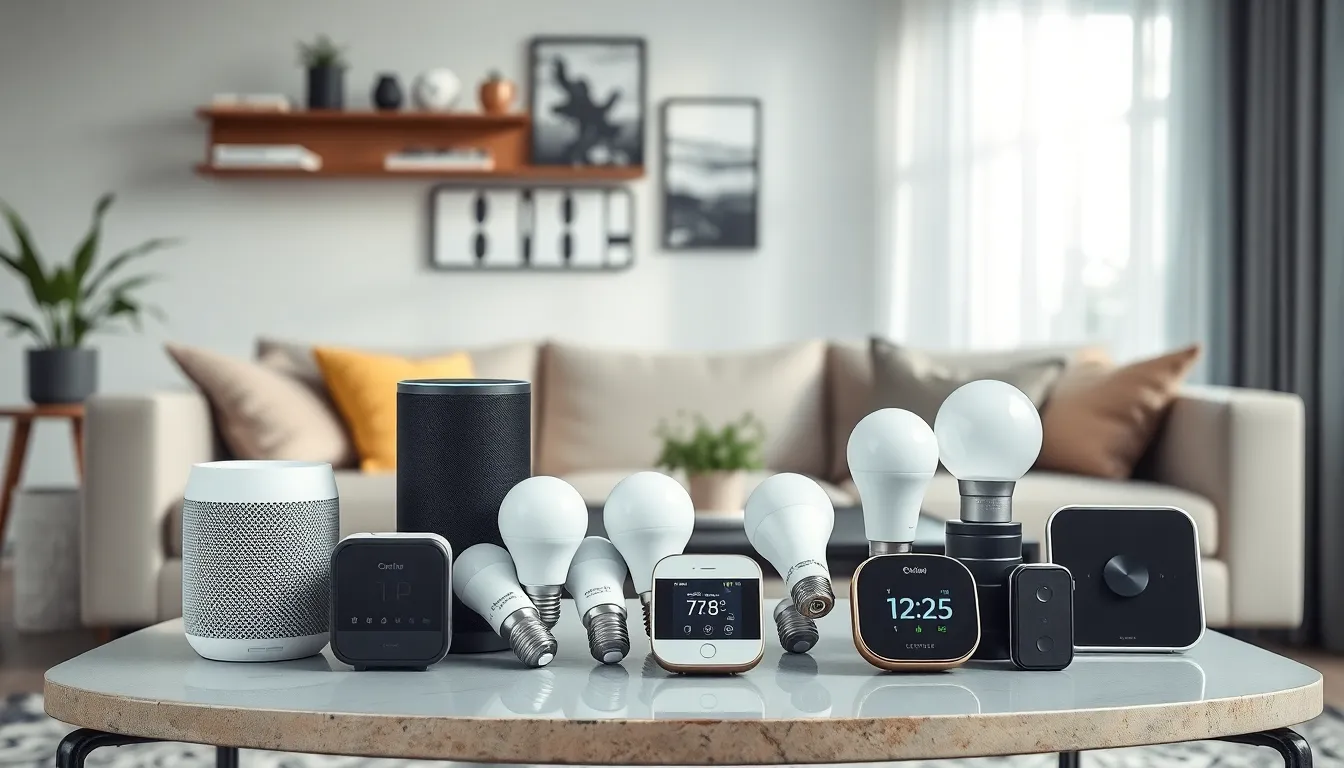
Smart home compatibility hinges on several critical factors that determine how devices interact within an ecosystem. Understanding these elements aids in creating a cohesive smart home environment.
Device Standards and Protocols
Device standards and protocols dictate how smart devices communicate. Common standards include:
- Wi-Fi: Most widely used for internet-connected devices; offers high-speed data transmission.
- Zigbee: Low-power mesh networking protocol; ideal for connecting numerous devices over short distances.
- Z-Wave: Provides reliable communication with low latency; commonly used in home automation systems.
- Matter: A newer protocol aimed at unifying device communication across platforms, enhancing compatibility.
Recognizing the appropriate standards ensures seamless integration and communication among devices.
Interoperability Among Brands
Interoperability refers to the capability of devices from different manufacturers to work together. Key points include:
- Ecosystem Compatibility: Brands like Google Home, Amazon Alexa, and Apple HomeKit may support various devices; understanding each ecosystem’s offerings helps maximize functionality.
- Third-Party Support: Many manufacturers design devices to work across multiple ecosystems; checking third-party compatibility can enhance choices.
- Regular Updates: Manufacturers often release firmware updates to improve compatibility and support new features; staying informed on updates ensures devices remain functional together.
Ensuring interoperability among brands enhances user experience, allowing diverse devices to function together seamlessly.
Popular Smart Home Ecosystems
Smart home ecosystems dominate the market, enabling users to manage devices efficiently. Below are three key platforms offering extensive compatibility options.
Amazon Alexa
Amazon Alexa serves as a leading voice assistant within the smart home ecosystem. It supports numerous devices across brands, including smart speakers, lights, thermostats, and security cameras. Devices with the “Works with Alexa” label guarantee compatibility, enhancing user experience. Alexa features routines that allow users to automate sequences of actions, improving daily task efficiency. The Alexa Skills Store provides additional functionality, enabling third-party integrations.
Google Home
Google Home empowers users through its robust Google Assistant integration. It seamlessly connects with various smart home devices, such as smart displays, speakers, sensors, and appliances, which can be controlled via voice or in-app commands. The “Works with Google Assistant” certification indicates compatibility. Google Home offers automation features, allowing users to create custom routines and control multiple devices simultaneously, contributing to a streamlined smart home experience.
Apple HomeKit
Apple HomeKit enables a high level of security and privacy in smart home integration. It supports a selection of devices marked as “Works with HomeKit,” including lights, locks, and thermostats. HomeKit thrives on its emphasis on user-friendly setup and management through the Home app on iOS devices. The platform supports advanced automation, empowering users to establish triggers based on location, time, or device status. HomeKit’s focus on interoperability through Apple’s standards ensures a cohesive ecosystem for users.
Tips for Achieving Optimal Compatibility
Achieving optimal compatibility among smart home devices enhances the overall user experience. Implementing specific strategies ensures seamless integration and functionality.
Researching Device Specifications
Researching device specifications is crucial for compatibility. Review compatibility ratings, communication protocols, and supported ecosystems before purchasing devices. Devices that support common standards such as Wi-Fi, Zigbee, or Z-Wave can integrate more easily with existing systems. Check user reviews and manufacturer documentation to confirm interoperability. Focus on devices explicitly marked as compatible with preferred ecosystems like Amazon Alexa, Google Home, or Apple HomeKit.
Utilizing Hubs and Bridges
Utilizing hubs and bridges simplifies device connectivity. Hubs centralize control for various smart home devices, enabling them to communicate effectively. Consider using a hub that supports multiple protocols, enhancing the ability to connect a wide range of devices. Brands like SmartThings and Wink offer versatile hubs, compatible with diverse ecosystems. Bridges can also connect devices that use different communication methods, helping unify control and improve functionality across a broad collection of devices. Selecting the right hubs or bridges ensures cohesive interactions among all smart home components.