
In today’s fast-paced world, the concept of a seamless smart home is transforming the way people interact with their living spaces. Imagine a home where every device connects effortlessly, creating a harmonious environment that anticipates needs and enhances daily life. From smart thermostats to voice-controlled lighting, technology is paving the way for a more intuitive and efficient home experience.
As homeowners seek convenience and efficiency, the demand for seamless integration of smart devices continues to grow. This article explores the latest innovations in smart home technology and how they work together to create a cohesive ecosystem. By understanding the benefits and features of a seamless smart home, readers can unlock the potential of their living spaces and enjoy a lifestyle that’s both modern and comfortable.
Overview of Seamless Smart Homes
Seamless smart homes leverage interconnected devices to create an intuitive living environment. These systems enhance comfort, security, and energy efficiency, significantly enriching daily life.
Definition and Concept
A seamless smart home refers to a residence equipped with technology that connects devices for automatic and coordinated control. Devices such as smart thermostats, security cameras, and lighting systems work together, responding intuitively to user preferences and behaviors. This interconnected framework aims to improve user experience while optimizing energy consumption and convenience.
Key Features
- Integration: Seamless smart homes feature a central hub that connects various devices, allowing for synchronized operation and management.
- Automation: Homeowners can program routines and schedules for devices, automating actions based on time, occupancy, or environmental conditions.
- Remote Access: Smart homes enable remote control through mobile apps, providing users with the ability to manage their home from anywhere.
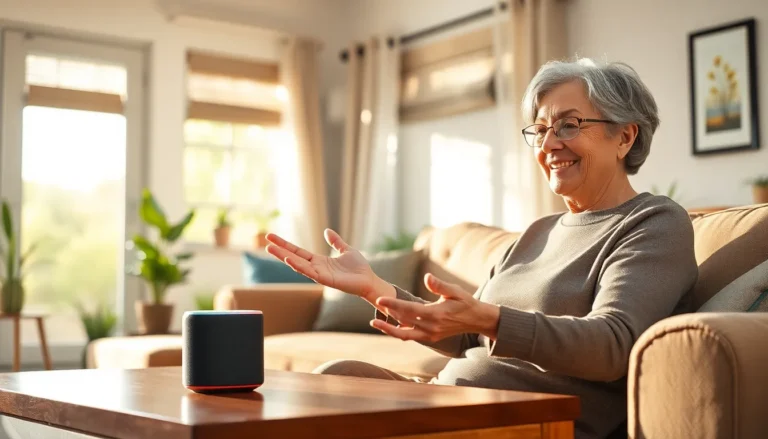
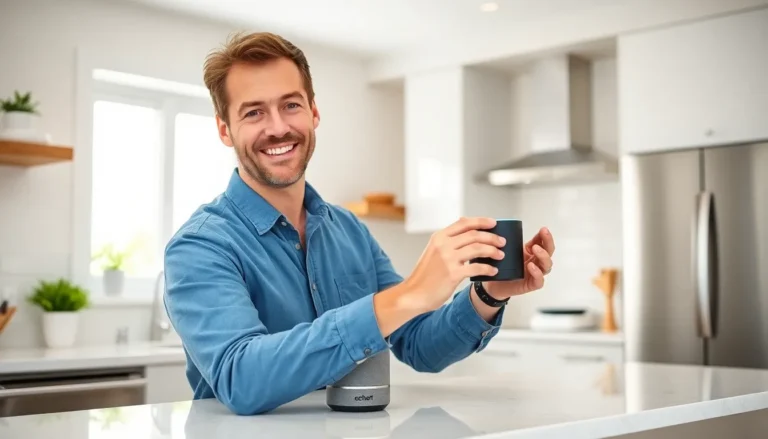
- Voice Control: Many systems support voice-activated commands via smart speakers, facilitating hands-free operation of appliances and systems.
- Energy Efficiency: Advanced monitoring capabilities allow for real-time tracking of energy usage, enabling homeowners to reduce consumption and costs.
- Enhanced Security: Smart security solutions integrate cameras, motion sensors, and alarms, providing comprehensive monitoring and alerts for increased safety.
Benefits of Seamless Smart Homes
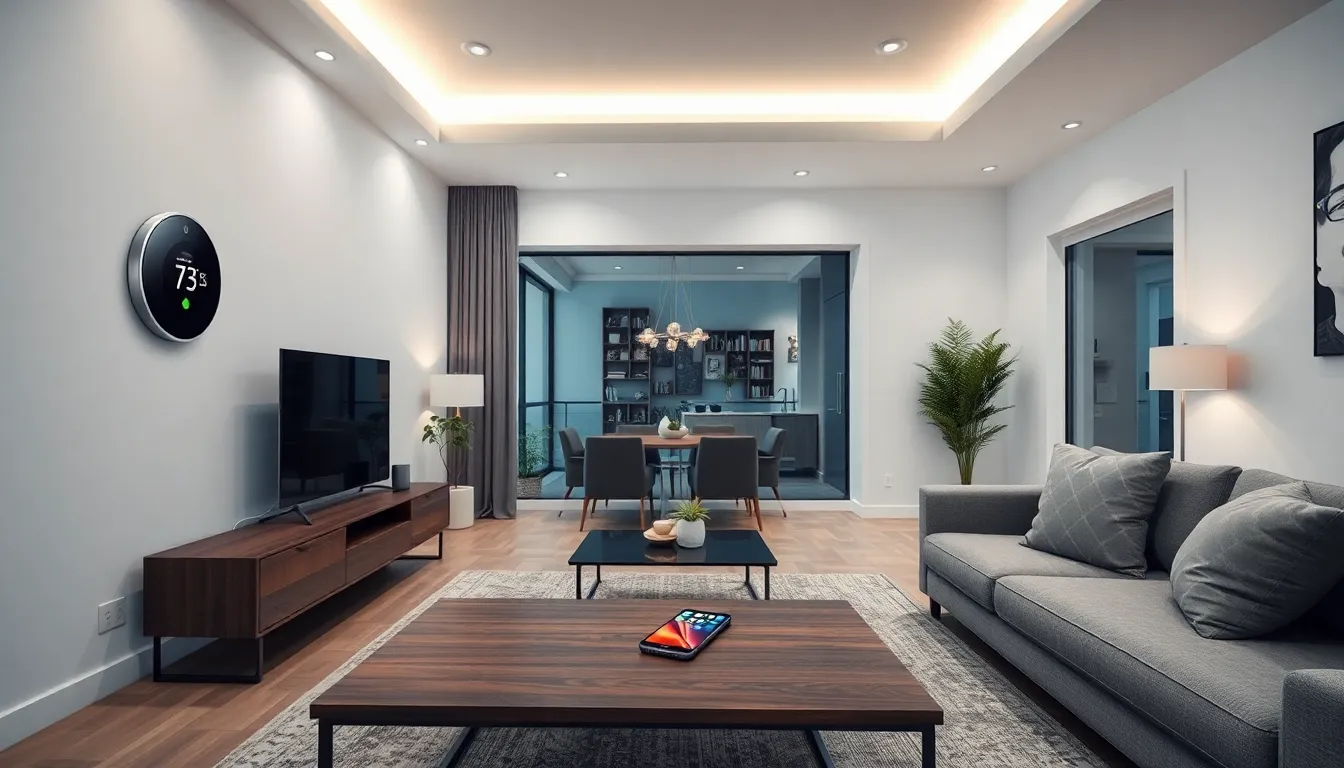
Seamless smart homes offer numerous advantages that enhance daily living. The integration of technology simplifies routines and increases overall efficiency within residential spaces.
Enhanced Convenience
Enhanced convenience arises from the automation and remote management of home systems. Residents can control lights, security systems, and appliances from their smartphones or through voice commands. Centralized control allows for streamlined operation, reducing the need for multiple remote controls or manual adjustments. Many devices learn user habits, automating tasks for improved comfort. For instance, smart thermostats adjust temperature settings based on occupancy patterns, ensuring optimal comfort without manual input.
Improved Energy Efficiency
Improved energy efficiency characterizes seamless smart homes through intelligent management of power consumption. Smart devices monitor usage patterns, providing insights into energy consumption trends. This information allows homeowners to make informed decisions about their energy use. For example, smart lighting systems automatically turn off lights in unoccupied rooms, significantly reducing electricity costs. Additionally, smart home systems can coordinate HVAC operations to minimize energy waste, contributing to lower utility bills and a decreased carbon footprint.
Popular Technologies Behind Seamless Smart Homes
Seamless smart homes leverage various technologies to create interconnected environments. These innovations enhance user experience, comfort, and efficiency.
Smart Devices and Appliances
Smart devices and appliances serve as essential components in seamless smart homes. These include:
- Smart Thermostats: These devices adjust heating and cooling based on occupancy, optimizing energy use and comfort.
- Smart Lighting: Smart bulbs and switches enable users to control lighting remotely, customize settings, and automate schedules.
- Smart Speakers: Equipped with voice assistants, smart speakers allow users to control other smart devices through voice commands, stream music, and access information hands-free.
- Smart Security Cameras: These provide real-time monitoring, alerts, and remote access for enhanced security.
- Smart Plugs: They enable control of electrical appliances from anywhere, allowing users to turn devices on or off and monitor energy usage.
Home Automation Systems
- Central Hub: This device acts as the brain of a smart home, enabling seamless communication among devices, regardless of brand or protocol.
- Automation Routines: Users can set schedules or triggers for devices, such as turning off lights when leaving home or adjusting the thermostat at bedtime.
- Remote Access: Homeowners can control their smart devices via mobile applications, providing convenience and peace of mind.
- Interoperability: Many systems support various protocols like Zigbee, Z-Wave, and Wi-Fi, ensuring different devices can work together effectively.
- Energy Management: Advanced automation includes monitoring energy consumption and providing insights, helping homeowners make environmentally friendly and cost-effective decisions.
Challenges and Considerations
Seamless smart homes offer innovative convenience but come with notable challenges. Addressing privacy, security, and compatibility issues ensures an optimal smart home experience.
Privacy and Security Concerns
Residents must consider potential privacy and security risks associated with interconnected devices. Smart home devices collect data, creating vulnerabilities that hackers may exploit. Unauthorized access to smart cameras or microphones poses risks, potentially infringing on personal privacy. Implementing strong passwords, enabling two-factor authentication, and regularly updating firmware will enhance security. Research indicates that 47% of smart home device owners have experienced privacy concerns, highlighting the need for robust security measures.
Integration and Compatibility Issues
Achieving true seamlessness hinges on the integration and compatibility of devices. Various brands often use different protocols, leading to challenges in communication among devices. Smart home products may not always seamlessly integrate with existing systems, creating frustration for users. For instance, a smart thermostat from one manufacturer may not work effectively with a security camera from another due to incompatible protocols. Adopting devices that comply with common standards like Zigbee or Z-Wave enables better interoperability. Consumers should evaluate compatibility during device selection to ensure cohesive functionality.
Future of Seamless Smart Homes
Seamless smart homes continue to evolve, reflecting advancements in technology and user needs. The integration of intelligent systems drives emerging trends and potential innovations in the market.
Emerging Trends
- Increased AI Integration: Artificial intelligence enhances the functionality of smart home devices. Smart assistants analyze user preferences, optimizing automation for various routines.
- Enhanced Interoperability: Cross-platform compatibility improves device communication. Standards like Matter promote seamless integration of devices from different manufacturers.
- Focus on Energy Management: Energy-efficient systems gain popularity. Smart devices track energy usage, helping homeowners reduce costs while contributing to sustainability.
- User-Centric Design: Simplified interfaces prioritize ease of use. Consumers demand products that are intuitive and require minimal technical knowledge.
- Health and Wellness Features: Smart homes incorporate health-monitoring technology. Devices that track air quality and environmental factors promote well-being.
Potential Innovations
- Advanced Home Robotics: Robotics technology could revolutionize household tasks. Autonomous cleaning and cooking robots may enhance convenience and efficiency.
- Smart Health Monitoring Systems: Innovative devices may integrate health tracking within the home environment. Sensors can monitor vital signs, offering insights into residents’ health.
- Predictive Automation: Future systems might predict user behavior, adjusting settings before requests are made. This could significantly enhance personalization and comfort.
- Secure Blockchain Solutions: Blockchain technology may protect data privacy in smart homes. Decentralized systems could enhance security against cyber threats.
- Augmented Reality Interfaces: AR might transform user-device interactions. Visual overlays can provide real-time information, enriching the management of smart home systems.
Embracing a seamless smart home transforms everyday living into a more efficient and enjoyable experience. By integrating various technologies, homeowners gain unprecedented control over their environments, enhancing comfort and security. As advancements continue to emerge, the potential for smarter homes only grows, paving the way for innovations that prioritize user needs and energy management.
However, it’s crucial to remain vigilant about security and compatibility issues as these systems evolve. With the right precautions and informed choices, residents can fully harness the benefits of a seamless smart home. The journey toward a more connected lifestyle is not just about convenience; it’s about creating a harmonious living space that adapts to individual preferences and promotes sustainability.