

In the ever-evolving world of real estate, appreciation stands out as a key factor that can significantly impact an investor’s portfolio. Understanding how property values increase over time is essential for anyone looking to navigate the housing market effectively. Factors like location, economic trends, and demand all play crucial roles in determining appreciation rates.
As neighborhoods develop and economies grow, properties often see a rise in value, making real estate not just a place to live but a powerful investment opportunity. For homeowners and investors alike, grasping the nuances of real estate appreciation can lead to informed decisions and increased financial gains. Whether you’re a seasoned investor or a first-time buyer, recognizing the signs of appreciation can set the stage for long-term success.
Understanding Real Estate Appreciation
Real estate appreciation refers to the increase in property value over time. This upward trend can significantly impact investment strategies and long-term financial success.
Definition of Real Estate Appreciation
Real estate appreciation is the rise in the value of a property due to various factors. It occurs when the market demand outpaces supply, leading to higher prices. This increase can be realized when a property is sold, allowing owners to capitalize on their investment.
Factors Influencing Appreciation
Several key factors influence real estate appreciation:
- Location: Proximity to amenities, schools, and transportation networks contributes significantly to property value.
- Economic Trends: Strong local economies foster job growth and attract residents, boosting demand for housing.
- Supply and Demand: Limited housing supply against growing buyer interest drives prices higher.
- Neighborhood Development: Infrastructure improvements and new businesses enhance an area’s appeal, increasing property values.
- Interest Rates: Lower mortgage rates often stimulate demand, encouraging more buyers to enter the market.
- Market Conditions: Booming real estate markets can lead to rapid appreciation, while downturns may slow or reverse these trends.
Understanding these factors helps homeowners and investors make informed decisions regarding their real estate investments.
Types of Real Estate Appreciation
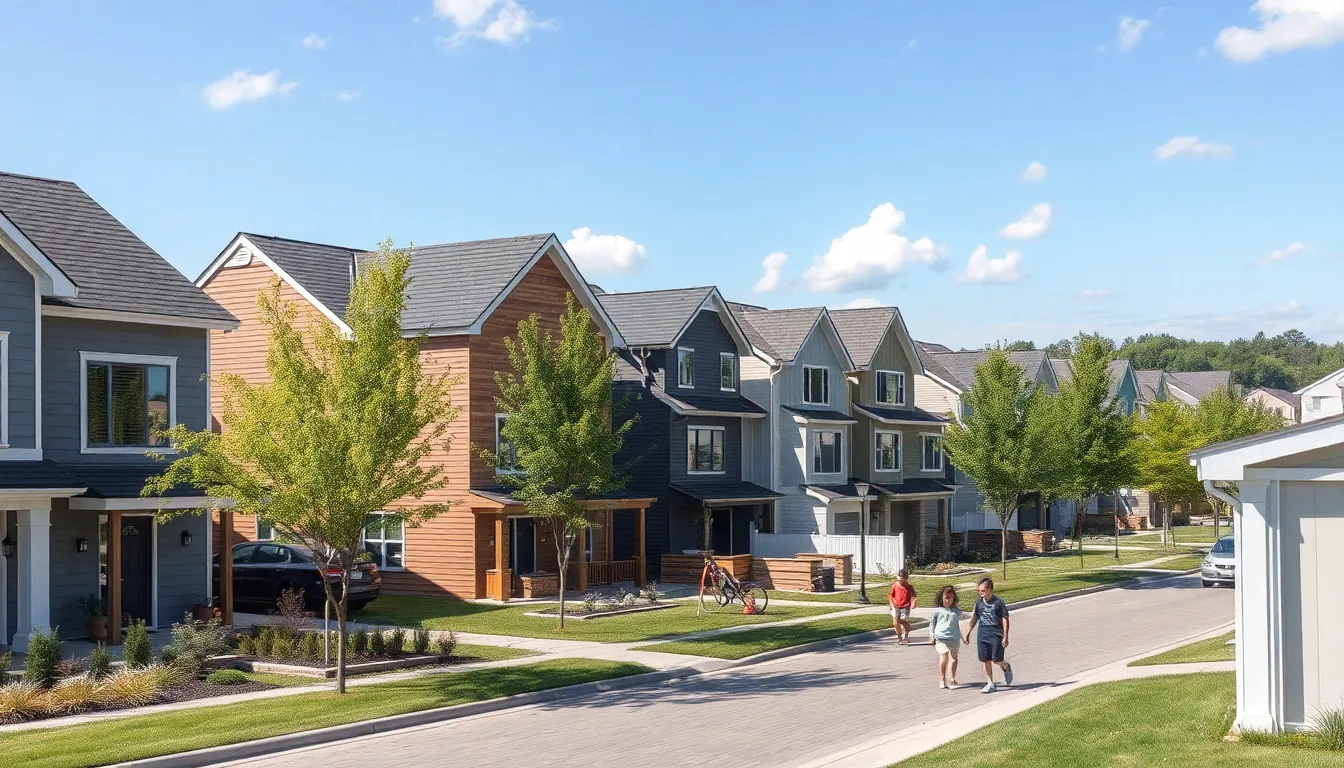
Real estate appreciation occurs in several forms, with two primary types influencing property value increases: natural appreciation and forced appreciation.
Natural Appreciation
Natural appreciation happens gradually due to external factors such as economic growth, population increase, or improved infrastructure in a neighborhood. It reflects the organic increase in property value as demand rises over time. For instance, a location benefiting from new schools or transportation options typically sees property values increase. Historical data supports that properties in high-demand areas appreciate more significantly, often aligning with economic trends and societal shifts.
Forced Appreciation
Forced appreciation results from deliberate actions taken by property owners to increase a property’s value. These actions may include renovations, upgrades, or strategic marketing. For example, upgrading kitchens or bathrooms can dramatically boost property appeal, leading to higher selling prices. Forced appreciation varies based on the owner’s investment in property enhancements. Successful implementation often leads to substantial returns, providing investors with a competitive edge in the market.
Benefits of Real Estate Appreciation
Real estate appreciation brings substantial advantages for both homeowners and investors. It plays a crucial role in enhancing a property’s value and building equity.
Increased Property Value
Increased property value occurs as market demand surpasses supply. Properties in sought-after locations experience significant appreciation due to factors like neighborhood upgrades, infrastructure improvements, and economic growth. For example, homes in rapidly developing areas often see value increases of 5% to 10% annually. This consistent rise allows investors to capitalize on market trends and maximize returns from their investments.
Equity Building
Equity building represents another vital benefit of real estate appreciation. As property values increase, owners gain equity, which can enhance their financial stability. Equity is defined as the difference between a property’s market value and the remaining mortgage balance. With increased equity, homeowners can leverage this asset for various financial goals, such as funding renovations, purchasing additional properties, or securing loans. This accumulation of wealth positions investors for future opportunities in the real estate market.
Risks and Challenges
Understanding the risks and challenges associated with real estate appreciation is crucial for investors and homeowners alike. Fluctuations in the market and economic factors can significantly impact property values.
Market Fluctuations
Market fluctuations often lead to unpredictable changes in property values. Investors face risks during economic downturns, which can halt appreciation or even cause depreciation. Properties in volatile markets may experience annual appreciation rates lower than expected or negative trends. Investors should analyze historical data on property value changes before purchasing. Awareness of market cycles helps mitigate risks, allowing for informed decision-making during uncertain periods.
Economic Factors
Economic factors significantly influence real estate appreciation. Economic recessions lead to reduced demand for housing and stagnant or falling prices. Variables such as employment rates, inflation, and interest rates directly affect housing market performance. Higher interest rates can decrease home affordability, suppressing demand and appreciation. Additionally, local economic conditions, including job growth and wage increases, play a crucial role in determining property values. Investors must monitor these indicators to understand potential appreciation trends and navigate associated risks effectively.
Real estate appreciation plays a vital role in shaping investment strategies and financial futures. By grasping the dynamics behind property value increases, investors and homeowners can make smarter decisions that align with their long-term goals.
Awareness of both natural and forced appreciation allows for strategic planning and execution. While the potential for significant returns exists, it’s essential to remain vigilant about market trends and economic indicators.
Navigating the complexities of real estate appreciation requires ongoing education and adaptability. With the right insights and strategies, individuals can harness the power of appreciation to build wealth and secure their financial stability.